
TRW & Co · Restructuring and insolvency
Wrongful Trading and Director Liability in an Insolvency
Wrongful trading makes directors personally liable when they keep an insolvent company trading after they knew, or should have concluded, that insolvent liquidation or administration could not be avoided. This guide explains the test under the Insolvency Act 1986, the every-step defence, what courts order directors to pay and the practical steps that reduce exposure.
Key pointLiability is compensatory, not punitive: a liquidator usually has to show that trading on after the point of no return actually increased the company's net deficiency to creditors. Well-minuted board decisions taken on professional advice are often the decisive evidence.
At a glance
Who can sue
Only a liquidator or administrator can bring a wrongful trading claim, under section 214 or section 246ZB of the Insolvency Act 1986, once the company is in an insolvent process.
The core test
Whether a director knew or ought to have concluded there was no reasonable prospect of avoiding insolvent liquidation or administration, judged by a reasonably diligent director standard.
The defence
The court must not make an order if the director took every step to minimise potential loss to creditors that they ought to have taken after that point.
What is at stake
A personal contribution to the company's assets, usually measured by the increase in net deficiency, plus possible disqualification for up to fifteen years.
Who is covered
All directors, including non-executives, investor nominees and shadow directors such as a parent company or adviser whose instructions the board habitually follows.
Swipe or scroll →
Wrongful trading: the short answer
Wrongful trading is the civil claim a liquidator or administrator can bring against a director who kept a company trading after they knew, or ought to have concluded, that there was no reasonable prospect of avoiding insolvent liquidation or insolvent administration. If the claim succeeds, the court can order the director to contribute personally to the company's assets.
It is not a crime and it does not require dishonesty. The question is what a reasonably diligent director in that role would have known, concluded and done. The director's main protection is the statutory "every step" defence: showing that, from the moment the point of no return was reached, they took every step they ought to have taken to minimise the potential loss to creditors.
In practice, exposure turns on three things: when the point of no return arrived, whether the company's net position worsened after it, and what the board recorded about its decisions. Directors who take advice early, minute their reasoning and put creditors first rarely face a successful claim. Directors who carry on hoping for a turnaround without a credible plan often do.
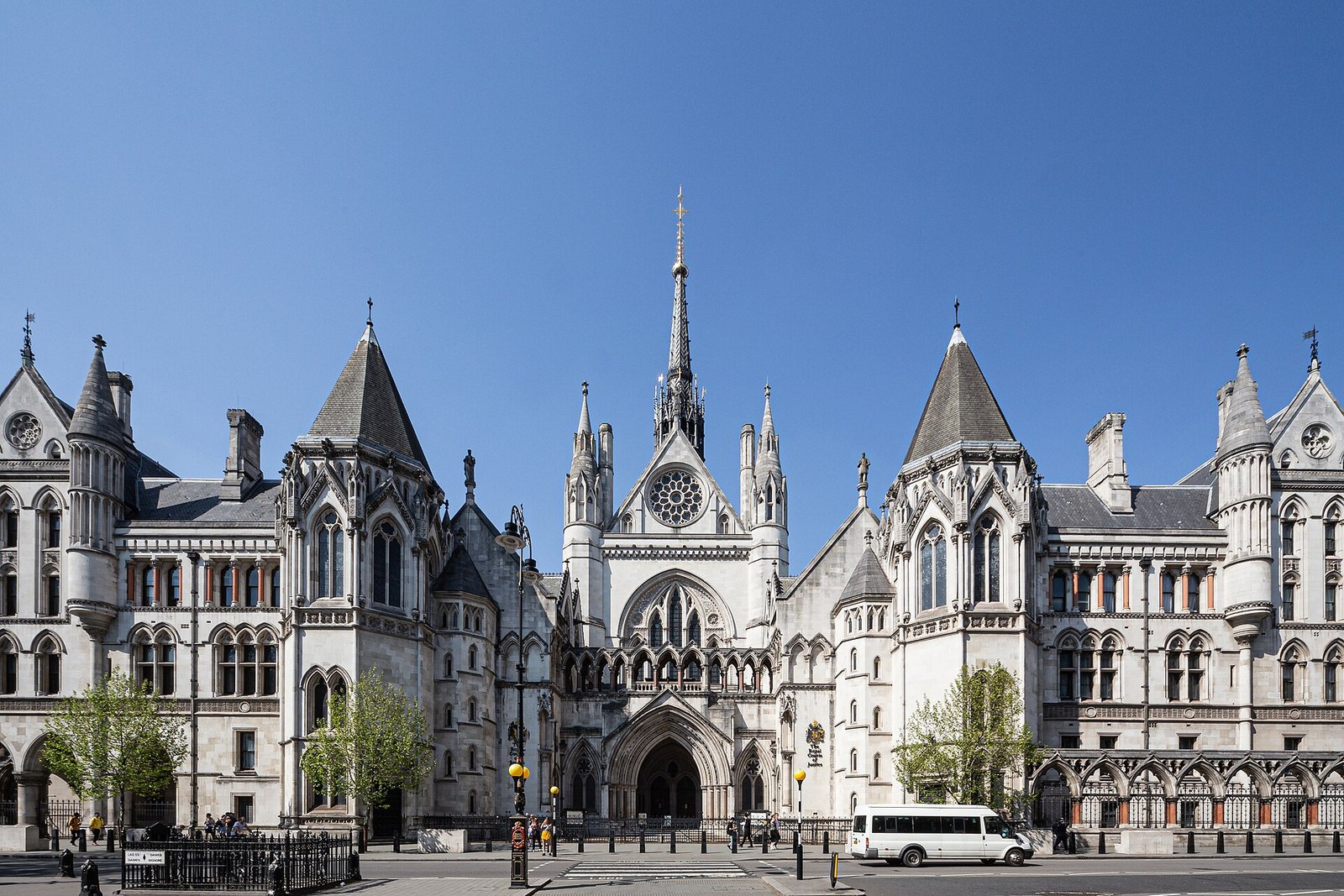
The legal framework for wrongful trading in England and Wales
The core provision is section 214 of the Insolvency Act 1986, which applies in a liquidation. A parallel provision, section 246ZB, lets an administrator bring the same claim while the company is in administration. Both apply to shadow directors as well as directors who were formally appointed.
The three conditions
For a claim to succeed, the office-holder must show that:
- the company has gone into insolvent liquidation or entered insolvent administration, meaning its assets are insufficient to pay its debts, other liabilities and the expenses of the process;
- at some time before that, the director knew or ought to have concluded that there was no reasonable prospect of the company avoiding insolvent liquidation or insolvent administration; and
- the person was a director at that time.
The dual standard of the reasonable director
The Act measures a director against a reasonably diligent person with both the general knowledge, skill and experience reasonably expected of someone carrying out the same functions, and the knowledge, skill and experience the director actually has. The first limb sets a floor: inexperience is no excuse. The second raises the bar for specialists, so a qualified accountant acting as finance director is judged by what an accountant would have spotted.
Functions entrusted to a director count even if they were not carried out. A non-executive who never looked at the management accounts cannot rely on not having looked.
Neighbouring claims
Wrongful trading rarely travels alone. Liquidators commonly plead it alongside fraudulent trading (section 213, which requires intent to defraud), misfeasance under section 212 for breach of duty or misapplied money, and challenges to preferences and transactions at an undervalue. Separately, the Insolvency Service may pursue disqualification under the Company Directors Disqualification Act 1986.
The Supreme Court's decision in BTI 2014 LLC v Sequana SA [2022] UKSC 25 sits alongside section 214. It confirmed that the director's duty to promote the success of the company is modified so that creditors' interests must be considered once the company is insolvent or bordering on insolvency, or an insolvent liquidation or administration is probable, and become paramount where insolvent liquidation or administration is inevitable. For a fuller treatment of the general duties, see our guide to directors' duties in the UK.
When wrongful trading liability arises: finding the point of no return
Most of these cases are fought over a date. The liquidator picks a moment when, it says, the board should have seen that insolvent liquidation or administration could not be avoided. The directors argue for a later date, or none at all.
Balance-sheet insolvency or cash-flow pressure on its own is not the test. Many companies trade lawfully while technically insolvent because the directors reasonably believe that new funding, a sale or a restructuring will see them through. The question is whether there was still a reasonable prospect, judged on the information the directors had or should have had.
Warning signs courts look at
- Persistent losses with no credible forecast showing a return to profitability.
- Arrears with HMRC, landlords or key suppliers, and creditors being paid by pressure rather than by due date.
- Lenders refusing further facilities, or a funding round that has collapsed.
- Auditors raising going-concern doubts, or management accounts no longer being prepared.
- Statutory demands or winding-up petitions from creditors.
None of these is conclusive alone. What matters is whether the board engaged with them honestly, tested the assumptions in its forecasts and recorded why it believed carrying on was justified.
Wrongful trading is judged with hindsight, but the court tries to assess the directors on what they knew or should have known at the time. Contemporaneous board minutes are often the best evidence a director has.
The every-step defence and how to make it work
The court must not make a wrongful trading declaration if it is satisfied that, after the point of no return, the director took every step to minimise the potential loss to creditors that they ought to have taken. The standard is the same dual objective and subjective test described above.
"Every step" is demanding but not impossible. It does not always mean ceasing to trade immediately. Sometimes continuing to trade for a short period, for example to complete profitable contracts or preserve the value of a business for a sale through administration, is the step that minimises loss. What it does require is a deliberate, informed and documented process with creditors' interests at the centre.
- Recognise the trigger. When forecasts show the company cannot meet its debts as they fall due, or funding is withdrawn, call a board meeting promptly and record the financial position in the minutes.
- Get current numbers. Commission up-to-date management accounts and a short-term cash-flow forecast. Decisions taken on stale figures are hard to defend.
- Take professional advice. Instruct insolvency lawyers and a licensed insolvency practitioner to review the options. The fact and content of that advice will matter later.
- Focus on creditors. Stop taking new credit you cannot see a way to repay, avoid paying connected parties ahead of others, and do not take customer deposits for orders the company may not fulfil.
- Consider each rescue and insolvency route. Assess a moratorium, a company voluntary arrangement, a restructuring plan, administration or liquidation, and record why one was chosen.
- Meet frequently and minute everything. Weekly or more frequent board meetings, with reasons for each decision, show active stewardship rather than drift.
- Act on the conclusion. If the advice is that no rescue is realistic, move to a formal process quickly. Delay after that point is the most common reason the defence fails.
Resigning is not a defence. A director who walks away once trouble starts may still be liable for the period before resignation and may be criticised for not taking steps to protect creditors. In most cases it is better to stay, take advice and steer the company into the right process.
What a director can be ordered to pay
Section 214 lets the court order a director to make "such contribution (if any) to the company's assets as the court thinks proper". The courts treat this as compensatory rather than punitive. The usual starting point is the increase in the company's net deficiency caused by trading on after the point of no return.
That causal link is critical. In Re Ralls Builders, the court found that the directors had continued to trade when they should not have, yet made no contribution order because the liquidators could not show the continued trading had increased the net deficiency to creditors. Costs that would have been incurred in any insolvency did not count.
Where several directors are liable, the court can apportion the contribution between them, often reflecting their roles and knowledge. Any recovery goes into the general pot for unsecured creditors rather than to a particular creditor. Directors' and officers' insurance may respond to defence costs and some liabilities, but cover is often limited in insolvency, so the policy wording should be checked early.
Wrongful trading compared with other director liabilities
Directors facing an insolvency often confuse the different routes to personal exposure. The table below summarises the main ones.
| Claim or process | Who brings it | Key test | Typical outcome |
|---|---|---|---|
| Wrongful trading (IA 1986 s214 / s246ZB) | Liquidator or administrator | Knew or ought to have concluded insolvency was unavoidable; every-step defence available | Contribution to company assets, usually linked to increased net deficiency |
| Fraudulent trading (IA 1986 s213) | Liquidator or administrator | Business carried on with intent to defraud creditors or for a fraudulent purpose | Contribution order; separate criminal offence may also apply |
| Misfeasance (IA 1986 s212) | Liquidator, official receiver, creditor or contributory (with permission) | Breach of fiduciary or other duty, or misapplication of company money or property | Repayment or compensation with interest |
| Preferences and undervalue transactions | Liquidator or administrator | Payments or transfers that put a creditor in a better position or gave value away | Transaction reversed; connected parties face presumptions against them |
| Disqualification (CDDA 1986) | Secretary of State via the Insolvency Service | Conduct makes the director unfit to be concerned in management | Ban of between two and fifteen years; possible compensation order |
| Personal guarantees | Lender or landlord | Contract terms of the guarantee | Direct personal debt, regardless of conduct |
Personal guarantees are often the largest source of exposure in owner-managed businesses, and they operate independently of any wrongful trading claim. Our guide to personal guarantees explains how they are enforced.
Disqualification, compensation orders and misfeasance risk
Every insolvency office-holder must report on the conduct of the directors to the Insolvency Service. Where a court makes a wrongful trading declaration, section 10 of the Company Directors Disqualification Act 1986 allows it to disqualify the director as well, for up to fifteen years. Separately, under section 6, unfit conduct in an insolvent company leads to a mandatory disqualification of at least two and up to fifteen years.
Disqualified directors can also face a compensation order requiring them to pay for loss their misconduct caused to creditors. The Insolvency Service publishes guidance on compensation orders. Most disqualification cases end in a negotiated undertaking rather than a trial, so early legal advice can make a meaningful difference to the period and the statement of facts.
Misfeasance claims are frequently brought alongside section 214 claims because they do not depend on proving a point of no return. Common examples include paying unlawful dividends, overdrawn director's loan accounts, and transferring assets to a connected company shortly before insolvency.
Illustrative scenario: a growth business that ran out of runway
This scenario is illustrative only and does not describe any real company or client.
A venture-backed software company has burned through its last funding round. In March, its lead investor signals it will not follow on. The board approves a plan to raise bridge funding within eight weeks and keeps trading, taking on two new supplier contracts and accepting annual subscriptions paid in advance.
By May no bridge funding has materialised, payroll taxes are in arrears and the finance director's forecasts show cash running out in June. The board meets fortnightly, but its minutes say little beyond "fundraising ongoing". The company enters administration in August with a large shortfall to unsecured creditors, including customers who prepaid.
An administrator reviewing the file would ask when the directors should have concluded there was no reasonable prospect of avoiding insolvency. A court might find that point was reached in May, when the funding plan had failed and no credible alternative existed. Taking prepayments after that date, and incurring new supplier debt, would likely increase the deficiency. The finance director, as an experienced professional, would be judged by a higher standard.
Had the board taken insolvency advice in March, set a clear deadline for the bridge, stopped taking prepayments and recorded its reasoning, the directors would have had a much stronger every-step defence and possibly a better outcome through a pre-planned sale.
Risks and common mistakes directors make
Relying on optimism instead of evidence
Boards often keep trading because a deal, investor or large contract is "close". Courts accept that directors may reasonably hope for a rescue, but only where the hope is grounded in evidence, such as signed term sheets, credible pipelines or realistic forecasts. A director who cannot point to documents explaining why there was still a reasonable prospect at each stage will struggle. Set objective milestones and deadlines, and record what the board will do if they are missed.
Paying connected or favoured creditors first
Repaying a director's loan, a family member or a lender who holds a personal guarantee while other creditors wait is one of the fastest ways to attract a claim. Such payments may be challenged as preferences, and they also undermine the every-step defence because they shift loss from one creditor to others. Once insolvency looms, treat creditors even-handedly and take advice before any payment that is out of the ordinary course.
Treating non-executive or nominee directors as passengers
The statutory test applies to every director, including non-executives and investor-nominated directors. A non-executive who did not ask for management accounts, or who deferred entirely to the founder, is still judged by what a reasonably diligent person in that role would have known. Investor nominees should make sure they receive regular financial information and that their questions and concerns are minuted.
Poor or missing board records
Liquidators often bring claims years after the events, when memories have faded and staff have moved on. Minutes, board packs, forecasts and advice letters are then the main evidence. Brief minutes recording only that "the position was discussed" do little to help. Good minutes record the information considered, the options reviewed, the advice received and the reasons for the decision, so the every-step defence can be proved.
Assuming a pre-pack or phoenix solves the problem
Selling the business to a new company owned by the same directors can be legitimate, but it attracts close scrutiny from creditors, administrators and the Insolvency Service. There are also statutory restrictions on reusing the name of a company that has gone into insolvent liquidation. Any connected-party sale should be supported by independent valuation evidence and proper process, and should be planned with insolvency lawyers from the outset.
Cross-border and group angles
Many UK companies sit inside international groups, including groups with parents or investors in Bangladesh, the Gulf or Singapore. Section 214 applies to directors and shadow directors of companies being wound up in England and Wales, and a foreign parent that directs how the UK board acts may be treated as a shadow director.
Group cash pooling, intra-group loans and management charges need careful handling when a UK subsidiary is in distress. A board that keeps upstreaming cash to a parent, or accepts instructions to keep trading for the benefit of the wider group, may increase its wrongful trading exposure. Overseas directors should also note that disqualification orders and undertakings can affect their ability to act for UK companies.
Where assets or directors are abroad, enforcement of a contribution order may require recognition proceedings in another jurisdiction. Our contentious insolvency team works with colleagues across TRW & Co's offices on these issues.
What to do next: a checklist for directors
If your company is under financial pressure, act now rather than waiting for a creditor to force the issue. The most effective protection is early, documented decision-making.
- Hold a board meeting focused on solvency and minute the financial position in detail.
- Prepare a 13-week cash-flow forecast and update it weekly.
- Take advice from insolvency lawyers for directors and a licensed insolvency practitioner.
- Review personal guarantees, director's loan accounts and D&O insurance cover.
- Stop incurring new credit and taking prepayments unless the advice supports it.
- Compare the available processes; our guide to administration versus liquidation is a useful starting point.
- If you are already facing a liquidator's claim or Insolvency Service enquiry, preserve all documents and seek advice before responding.
TRW & Co's restructuring and insolvency lawyers in London advise boards in distress and defend directors facing claims. To discuss your position in confidence, contact our London office.
Frequently asked questions
01What is wrongful trading in simple terms?
Wrongful trading happens when directors carry on running a company after they knew, or should have realised, that it could not avoid going into insolvent liquidation or administration, and they fail to take every step to minimise creditors' losses. It is a civil claim under the Insolvency Act 1986 brought by a liquidator or administrator, not a criminal offence. It does not require dishonesty: the court asks what a reasonably diligent director in that role would have known and done, and can order the director to contribute personally to the company's assets.
02Is wrongful trading a criminal offence?
No. Wrongful trading is a civil claim. The court can order a director to contribute to the company's assets and may disqualify them, but there is no criminal sanction under section 214 itself. Fraudulent trading is different: it requires intent to defraud creditors or a fraudulent purpose, gives rise to civil liability under section 213 of the Insolvency Act 1986 and is also a criminal offence under the Companies Act 2006. Directors facing allegations of both should take advice immediately, as the evidence and risks overlap.
03Can a director be liable for wrongful trading if they resign?
Yes. Liability depends on whether the person was a director when they knew or ought to have concluded that insolvency was unavoidable, so resigning does not remove exposure for the period before resignation. Resigning abruptly may also make it harder to show that every step was taken to protect creditors. In most cases a director worried about the company's position should stay, insist on proper financial information and professional advice, and ensure the board's decisions and reasons are minuted.
04How much can a director be ordered to pay for wrongful trading?
There is no fixed figure. The court orders such contribution as it thinks proper, and the usual approach is compensatory: the increase in the company's net deficiency caused by trading on after the point of no return. If the liquidator cannot show that continued trading made creditors worse off, the court may make no order at all, as in Re Ralls Builders. Where several directors are liable, the court may apportion the sum between them according to their roles and culpability.
05Does wrongful trading apply to non-executive directors?
Yes. The test applies to every director, executive or not, and to shadow directors. A non-executive is judged by the knowledge, skill and experience reasonably expected of someone in that role, and by any greater expertise they actually have. Functions entrusted to them count even if they did not perform them. Non-executives and investor-nominated directors should therefore ask for regular management accounts and forecasts, challenge assumptions and make sure their concerns are recorded in the minutes.
06What should directors do if they think the company is insolvent?
Call a board meeting, obtain up-to-date management accounts and a short-term cash-flow forecast, and take advice from insolvency lawyers and a licensed insolvency practitioner. Stop incurring credit the company may not repay and avoid paying connected creditors ahead of others. Consider the rescue and insolvency options, record the reasons for the chosen course, and act on the advice promptly. These steps both reduce losses to creditors and build the evidence for the every-step defence.
Sources and official materials
- Insolvency Act 1986, section 214 — Wrongful trading in liquidation, the every-step defence and the reasonable director test
- Insolvency Act 1986, section 246ZB — Wrongful trading claims brought by administrators
- Company Directors Disqualification Act 1986 — Disqualification for unfitness and for wrongful trading
- BTI 2014 LLC v Sequana SA [2022] UKSC 25 — Supreme Court judgment on directors' duty to consider creditors' interests
- Grant v Ralls (Re Ralls Builders Ltd) — High Court judgment on causation and the measure of contribution
- Director disqualification: a guide to compensation orders — Insolvency Service guidance on compensation orders against disqualified directors
General information only, current as at 21 October 2026. It is not legal advice and does not create a solicitor–client relationship. It reflects the law of England and Wales unless stated otherwise; Scotland and Northern Ireland have separate legal systems, and the law changes frequently. Check current official sources and take advice on the facts of your matter.