
TRW & Co · Disputes & Arbitration
Defamation and Reputation Solicitors in London
Defamation solicitors London individuals and businesses instruct protect reputations against false allegations in the press, online and in the market, and defend publishers and companies facing complaints. Since the SLAPP strike-out power took full effect in June 2025, proportionality matters on both sides, and the one-year limitation period leaves little room for delay.
Key pointSerious harm is proved with evidence of actual impact, not inferred from the words, and companies must show serious financial loss; claimants who capture reach and impact evidence on day one, and act within the one-year limit, start from a far stronger position.
At a glance
Serious harm threshold
Section 1 of the Defamation Act 2013 requires serious harm to reputation; trading companies must show the statement caused or is likely to cause serious financial loss.
One-year limitation
Defamation and malicious falsehood claims must be brought within one year of publication under section 4A of the Limitation Act 1980, unless the court extends time.
Single publication rule
Section 8 of the 2013 Act means republishing the same statement in substantially the same manner does not restart the limitation clock.
SLAPP strike-out in force
Since 18 June 2025, courts can strike out economic-crime SLAPP claims unless the claimant shows the claim is more likely than not to succeed.
Specialist court list
Defamation, privacy, data protection and malicious falsehood claims are managed in the Media and Communications List of the King's Bench Division.
Swipe or scroll →
What defamation and reputation law covers in England and Wales
Defamation solicitors London clients instruct deal with statements that damage reputation: a newspaper article, a social media post, a review site entry, a press release from a competitor or an allegation circulated to customers and regulators. Libel covers statements in permanent form, including online publications and broadcasts; slander covers spoken words. Both are civil wrongs in England and Wales, and the claim is brought in the High Court.
Reputation disputes are wider than defamation. The same facts may support claims for malicious falsehood, where a false statement is made maliciously and causes financial loss; misuse of private information; breach of confidence; breach of data protection law; or harassment. Choosing the right cause of action, or combination, is often the most important early decision.
The work runs in both directions. Individuals and businesses seek to correct false allegations and recover damages. Publishers, broadcasters, campaign groups, employers and companies receive complaints and need to decide whether to defend, correct or settle. Both sides need to act quickly, because time limits are short and online content spreads fast.
The legal framework: statute, procedure and the court
The Defamation Act 2013 reshaped the law from 1 January 2014. Section 1 provides that a statement is not defamatory unless its publication has caused or is likely to cause serious harm to the claimant's reputation. For a body that trades for profit, harm is not serious unless it has caused or is likely to cause serious financial loss. In Lachaux v Independent Print Ltd [2019] UKSC 27, the Supreme Court held that serious harm must be established on the actual facts about the impact of the statement, not inferred from the words alone.
The 2013 Act also contains the main statutory defences, the single publication rule in section 8, a jurisdictional filter in section 9 for defendants not domiciled in the UK, protection for secondary publishers in section 10 and a presumption in section 11 that trial is without a jury. Sections 12 and 13 allow the court to order publication of a summary of its judgment and the removal of a statement from a website. The offer of amends procedure in sections 2 to 4 of the Defamation Act 1996 remains available.
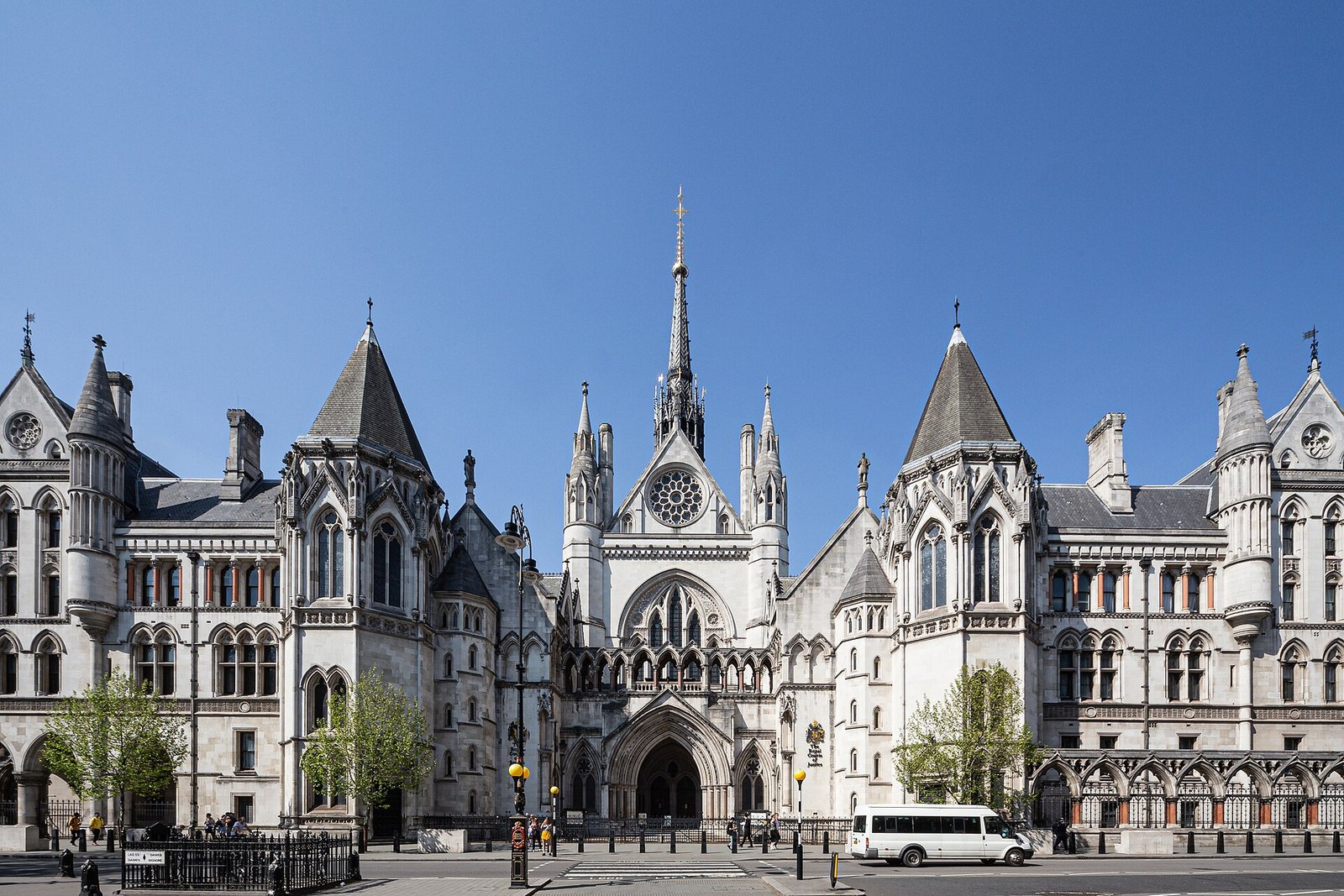
Claims are issued in the Media and Communications List of the King's Bench Division. Under CPR Part 53, the list deals with defamation, misuse of private information, data protection, harassment by publication and malicious falsehood. Before issuing, parties must follow the Pre-Action Protocol for Media and Communications Claims.
Scotland and Northern Ireland have their own statutes: the Defamation and Malicious Publication (Scotland) Act 2021 and the Defamation Act (Northern Ireland) 2022. Their rules differ in places from the 2013 Act, so where a statement is published across the UK, the choice of forum needs care.
The main defences
| Defence | Source | What the defendant must show |
|---|---|---|
| Truth | Defamation Act 2013, s2 | The imputation conveyed by the statement is substantially true |
| Honest opinion | Defamation Act 2013, s3 | The statement was opinion, indicated its basis, and an honest person could have held it on facts existing at the time |
| Publication on a matter of public interest | Defamation Act 2013, s4 | The statement was on a matter of public interest and the defendant reasonably believed publishing it was in the public interest |
| Website operators | Defamation Act 2013, s5 | The operator did not post the statement and followed the notice procedure where it applies |
| Privilege | Common law and statute | The statement was made on an occasion of absolute privilege, such as court proceedings, or qualified privilege, such as fair reports or duty-and-interest communications |
| Offer of amends | Defamation Act 1996, ss2–4 | The defendant offered a correction, apology and compensation; if accepted, the claim ends, and if refused, the offer can be a defence |
Time limits and the single publication rule
The limitation period for defamation and malicious falsehood is one year from publication under section 4A of the Limitation Act 1980, much shorter than the six years for most civil claims. The court has a discretion to disapply the period, but it is exercised sparingly and claimants should not rely on it.
The single publication rule in section 8 of the 2013 Act means that, where the same statement is republished in substantially the same manner, time runs from the first publication to the public. An online article does not restart the clock every time someone reads it. Republication in a materially different manner, such as a more prominent position, can start a fresh period. For these reasons, defamation solicitors London claimants consult will diarise the deadline from the first conversation.
Capture the evidence the day you see a defamatory publication: screenshots showing the URL, date and time, the number of views, shares or comments, and any reaction from customers, investors or regulators. Online content can be edited or deleted, and evidence of actual impact is what proves serious harm.
How defamation solicitors London claimants instruct approach the first decisions
Not every hurtful statement is worth suing over. The claimant must weigh the strength of the claim against cost, the risk of drawing more attention to the allegation and the defendant's ability to pay. The goal is usually to stop the publication and correct the record, with damages as a secondary aim.
Routes to a remedy
- Request to the publisher or platform. Many publishers and platforms will remove or amend content in response to a well-reasoned complaint. Website operators have a statutory notice procedure under section 5.
- Regulatory complaint. Press complaints can be made to the relevant press regulator, and broadcast complaints to Ofcom. These routes are free but cannot award damages.
- Letter of claim under the protocol. A formal letter identifies the words, the meaning, the harm and the remedies sought, and often leads to a correction or settlement.
- Proceedings. A claim can seek damages, an injunction against repetition, an order for a summary of the judgment to be published and an order for removal of the statement.
Choosing the cause of action
Defamation solicitors London clients instruct will test every available claim, not only libel. Malicious falsehood does not require harm to reputation, but the claimant must prove the statement was false, that the defendant acted maliciously and, in most cases, financial loss. Misuse of private information protects information in which the claimant has a reasonable expectation of privacy, whether or not it is true. Data protection claims can require inaccurate personal data to be corrected or erased. Harassment by publication may apply where there is a course of conduct. Each has different defences, remedies and time limits, so the combination chosen shapes the case.
Interim injunctions are rarely granted
Under the long-standing rule in Bonnard v Perryman, the court will not usually grant an interim injunction to restrain a defamatory publication if the defendant says it will defend the statement as true, unless that defence is bound to fail. Section 12 of the Human Rights Act 1998 adds further protection for freedom of expression. Privacy and confidence claims are treated differently and are more likely to justify interim relief. See our page on urgent injunctions.
Defending claims and the SLAPP rules
Businesses, publishers and individuals who receive a letter of claim should respond within the protocol timetable, assess the meaning of the words complained of, and decide quickly whether to defend, correct or offer amends. An early, well-structured offer of amends can significantly reduce exposure. Defamation solicitors London publishers rely on will also review insurance cover, which some media liability and professional indemnity policies provide.
Strategic lawsuits against public participation (SLAPPs) are claims designed to silence criticism through cost and intimidation rather than to vindicate reputation. Under sections 194 and 195 of the Economic Crime and Corporate Transparency Act 2023, fully in force from 18 June 2025, the court can strike out a SLAPP claim connected with the disclosure of information about economic crime where the claimant fails to show that the claim is more likely than not to succeed at trial. The Civil Procedure Rules were amended to implement the power and to give defendants costs protection.
The statutory scheme is limited to economic crime, so most reputation claims fall outside it. However, the Solicitors Regulation Authority has issued a warning notice on SLAPPs, making clear that solicitors must not threaten or bring abusive claims or make exaggerated threats in correspondence. Reputable claimant advice is proportionate by design.
The strongest reputation strategy is often a fast, accurate and proportionate response, not the most aggressive letter.
How a defamation claim proceeds
- Preserve and assess. Capture the publication and evidence of its reach and impact, identify the publisher and any secondary publishers, and diarise the one-year limitation period.
- Analyse meaning and harm. Identify the natural and ordinary meaning of the words, whether they are fact or opinion, and the evidence of serious harm or, for companies, serious financial loss.
- Send the letter of claim. Follow the Pre-Action Protocol for Media and Communications Claims, setting out the words, the meaning, the harm and the remedies sought.
- Consider the response. Evaluate any correction, apology or offer of amends, and whether the defendant intends to rely on truth, honest opinion or public interest.
- Issue proceedings. Issue in the Media and Communications List, with particulars identifying the publication and meaning complained of.
- Preliminary issues. The court often decides the meaning of the words, and whether they are fact or opinion, at an early preliminary trial, which frequently drives settlement.
- Trial and remedies. If the case continues, a judge sitting alone usually decides liability, damages and any injunction, summary publication or removal order.
Documents and evidence to assemble
- The full publication, with screenshots, URLs, dates, and any later edits or republications.
- Evidence of reach: circulation figures, page views, follower numbers, shares and search results.
- Evidence of impact: lost contracts, cancelled orders, investor or lender reactions, regulator enquiries and messages from people who read the statement.
- For companies, financial evidence linking the publication to serious financial loss.
- Documents relevant to truth: the underlying facts, internal investigations, and anything that supports or undermines the allegation.
- Correspondence with the publisher, platform or regulator, and any earlier complaints.
Defendants need the equivalent: their sources, notes, drafts, the steps taken to verify the story and the request for comment sent before publication, which is often central to a public interest defence.
Risks and common mistakes
Missing the one-year limitation period
Claimants sometimes spend months negotiating informally or hoping the story will fade, and then discover the year has nearly run. The court can extend the period, but only in limited circumstances and with good reason for the delay. Treat the date of first publication as the start of a strict timetable, and issue protective proceedings if negotiations are not complete well before the deadline.
Amplifying the allegation
An aggressive public response or a high-profile claim can spread an allegation far beyond its original audience. Before acting, consider who has actually seen the statement and whether a quiet removal request, a correction or a targeted statement to key stakeholders would achieve more. Defamation solicitors London clients trust will weigh the reputational effect of litigation alongside its legal merits.
Companies suing without evidence of financial loss
A trading company must show that the statement caused or is likely to cause serious financial loss, not just embarrassment. Lost contracts, customer cancellations and documented commercial consequences are needed. Where loss is hard to prove, a claim by the individuals named, or a malicious falsehood claim, may be more viable. Companies should gather financial evidence from the outset.
Treating opinion as a statement of fact
Reviews, commentary and criticism are often expressions of opinion, which are protected if the basis is indicated and an honest person could hold the view. Suing over a harsh but genuine opinion is likely to fail and may be characterised as an attempt to suppress legitimate criticism. Analyse whether the words are fact or comment before sending any letter.
Responding to a complaint without checking insurance and privilege
Publishers and businesses sometimes reply to a letter of claim before notifying insurers or taking advice, making admissions or statements that limit later defences. Internal investigation documents may be disclosable unless privilege is preserved. Notify insurers promptly, route sensitive analysis through lawyers, and respond in measured terms within the protocol timetable.
Cross-border reputation disputes
Online publications reach every country at once, so reputation disputes are often international. Section 9 of the 2013 Act prevents the English court from hearing a defamation claim against a defendant not domiciled in the UK unless England and Wales is clearly the most appropriate place to bring the claim, which requires evidence of where the statement was published and where the claimant's reputation lies.
Bangladesh. Many TRW & Co clients have reputations in both the UK and Bangladesh. Defamation remains an offence under the Bangladesh Penal Code 1860, and Bangladesh's cyber-security legislation was overhauled in 2025, when the ordinance replacing the Cyber Security Act 2023 removed its defamation offences. Whether to act in Dhaka, London or both depends on where the publisher is, where the harm is felt and what remedy is needed. Our UK–Bangladesh disputes team coordinates with our Dhaka office.
The Gulf, Singapore and the EU. Defamation can be a criminal matter in the UAE, which changes the risk calculation for publishers and individuals there. Singapore has its own civil defamation law and separate laws on online falsehoods. In the EU, data protection rights, including erasure requests to search engines, are a parallel route to removing outdated or inaccurate content. Our data protection colleagues advise on that route in the UK.
How TRW & Co helps
TRW & Co's London office is authorised and regulated by the Solicitors Regulation Authority. Our defamation solicitors London team advises individuals, companies and publishers on reputation claims and conducts litigation in the Media and Communications List. Where advocacy in the higher courts is required, we instruct specialist counsel.
Claimant advice and letters of claim
We assess meaning, serious harm and defences, and send protocol-compliant letters of claim designed to achieve correction and removal quickly and proportionately.
Online removal
We prepare section 5 notices, platform complaints and data protection requests to remove or de-index false and unlawful content, alongside court orders where needed.
Defence of claims
We act for businesses and publishers responding to complaints, advising on truth, honest opinion and public interest defences, offers of amends and insurance.
Pre-publication review
We review reports, press releases, investigation findings and campaign material before publication to reduce legal risk without diluting the message.
Privacy and confidence
Where information is private or confidential rather than false, we pursue misuse of private information and breach of confidence claims, including urgent injunctions.
Crisis coordination
With our media and entertainment and commercial litigation colleagues, we align legal steps with communications and stakeholder management.
See all our practice areas, or contact us to discuss a publication or a complaint you have received.
Checklist for decision-makers
- When was the statement first published, and when does the one-year period expire?
- Is it a statement of fact or opinion, and what does it actually mean to an ordinary reader?
- What evidence is there of serious harm, or for a company, serious financial loss?
- Is the publisher in the UK, and if not, is England clearly the most appropriate forum?
- Would a removal request, correction or regulatory complaint achieve the goal faster?
- Is the information private or confidential, opening other causes of action?
- If you are the publisher, have you notified insurers and preserved your verification record?
- Is the claim, or the threat you received, proportionate, and could it be characterised as a SLAPP?
Defamation solicitors London clients consult early can shape the response before the story spreads, which is usually when the best outcomes are won.
Frequently asked questions
01What do I need to prove to win a defamation claim?
You must show that the defendant published a statement to a third party, that it refers to you, that it has a defamatory meaning, and that it has caused or is likely to cause serious harm to your reputation. Serious harm is proved by evidence of actual impact, such as who read it and how they reacted. If you are a trading company, you must show serious financial loss. The defendant may then rely on defences such as truth, honest opinion or public interest.
02How long do I have to bring a defamation claim?
One year from the date of first publication, under section 4A of the Limitation Act 1980. The single publication rule means that later republication in substantially the same manner does not restart the clock. The court can disapply the time limit, but it does so sparingly. Defamation solicitors London claimants instruct will treat the first publication date as a hard deadline and plan correspondence around it.
03Can a company sue for defamation?
Yes, but a body that trades for profit must show that the statement has caused or is likely to cause serious financial loss, which is a higher hurdle than for individuals. Evidence such as lost contracts, cancelled orders or investor withdrawals is needed. Where financial loss is hard to prove, a claim by named individuals, or a malicious falsehood claim for a false statement made maliciously that causes financial loss, may be more appropriate.
04Can I get a court order to remove defamatory content quickly?
Interim injunctions to stop defamatory publication are rarely granted where the publisher intends to defend the statement as true. Quicker practical routes include a complaint to the website operator under section 5 of the 2013 Act, platform complaint procedures and data protection requests. After judgment, section 13 allows the court to order removal of the statement. Where content is private or confidential rather than false, an urgent injunction is more realistic.
05What is a SLAPP and how does the law deal with it?
A SLAPP is a claim designed to silence criticism through cost and pressure rather than to protect reputation. Since 18 June 2025, under sections 194 and 195 of the Economic Crime and Corporate Transparency Act 2023, courts can strike out SLAPP claims connected with economic crime disclosures unless the claimant shows the claim is more likely than not to succeed. More broadly, the SRA expects solicitors not to bring abusive claims or make exaggerated threats.
06Someone abroad has defamed me online. Can I sue in London?
Possibly. Where the defendant is not domiciled in the UK, section 9 of the Defamation Act 2013 requires the court to be satisfied that England and Wales is clearly the most appropriate place to bring the claim, considering all the places where the statement was published. You will need evidence of publication and reputation in England. Enforcement of any judgment abroad must also be considered, so local advice is often needed in parallel.
07We have received a letter of claim. What should we do first?
Do not ignore it or reply in haste. Note the response date under the Pre-Action Protocol for Media and Communications Claims, notify any insurer, preserve all research, drafts and correspondence relating to the publication, and take advice on the meaning of the words and the available defences. Consider whether a correction, clarification or offer of amends would resolve matters at low cost before positions harden.
Sources and official materials
- Defamation Act 2013 — Serious harm, defences and jurisdiction
- Limitation Act 1980, section 4A — One-year limitation for defamation
- Lachaux v Independent Print Ltd [2019] UKSC 27 — Supreme Court on serious harm
- Media and Communications List — The specialist High Court list
- Pre-Action Protocol for Media and Communications Claims — Steps before issuing a claim
- Economic Crime and Corporate Transparency Act 2023, section 194 — Strike-out power for SLAPP claims
- SRA warning notice on SLAPPs — Regulatory expectations of solicitors
General information only, current as at 21 October 2026. It is not legal advice and does not create a solicitor–client relationship. It reflects the law of England and Wales unless stated otherwise; Scotland and Northern Ireland have separate legal systems, and the law changes frequently. Check current official sources and take advice on the facts of your matter.