
TRW & Co · Competition, Regulatory & Investigations
White Collar Crime Solicitors in London
White collar crime solicitors London companies and executives instruct defend fraud, bribery, money laundering and market abuse investigations, and help organisations prevent them. Corporate criminal liability has widened sharply: the failure to prevent fraud offence is in force and, since June 2026, a senior manager's offence can be attributed to the company for any crime.
Key pointSince 29 June 2026, section 250 of the Crime and Policing Act 2026 lets a company be convicted of any offence committed by a senior manager acting within their authority, with no reasonable procedures defence. Governance maps and delegations of authority are now criminal-risk documents.
At a glance
Failure to prevent fraud
In force since 1 September 2025 for large organisations meeting two of three tests: turnover over £36m, assets over £18m, more than 250 employees.
Senior manager attribution
The Crime and Policing Act 2026 extends senior manager attribution from economic crimes to all offences, effective 29 June 2026.
SFO self-reporting route
SFO guidance from April 2025 says prompt self-reporting and full cooperation will lead to an invitation to negotiate a DPA, save in exceptional cases.
Compulsory SFO interviews
Section 2 of the Criminal Justice Act 1987 lets the SFO compel answers and documents; failing to comply without reasonable excuse is an offence.
Wide Bribery Act reach
Section 7 applies to any company carrying on business in the UK, wherever in the world the bribe was paid by an associated person.
Swipe or scroll →
What white collar crime covers in England and Wales
White collar crime solicitors London companies and executives instruct deal with criminal allegations that arise from business: fraud, bribery, money laundering, false accounting, market abuse, sanctions breaches and tax evasion. The suspect is often a company, a director or a finance professional rather than a stranger, and the evidence is usually documents, emails, chat messages and payment records rather than eyewitnesses.
These matters rarely start with an arrest. More often they begin with a whistleblower report, an audit finding, a suspicious transaction flagged by a bank, a request from an overseas authority, or a letter from a prosecutor. By that point the decisions taken in the first days, about preserving documents, interviewing staff and whether to report, can shape the whole case.
The exposure is not limited to individuals. A company can be prosecuted in its own right, debarred from public contracts, investigated by a regulator and sued by victims at the same time. Directors face personal prosecution, disqualification and reputational harm. Good white collar crime solicitors London boards rely on treat these tracks as one problem, because a step taken in one forum almost always affects the others.
This page explains the offences, the enforcement agencies, the 2025 and 2026 reforms to corporate criminal liability, and how to respond to an investigation. For the regulatory side of a fraud or misconduct problem, see our corporate investigations and FCA enforcement pages.
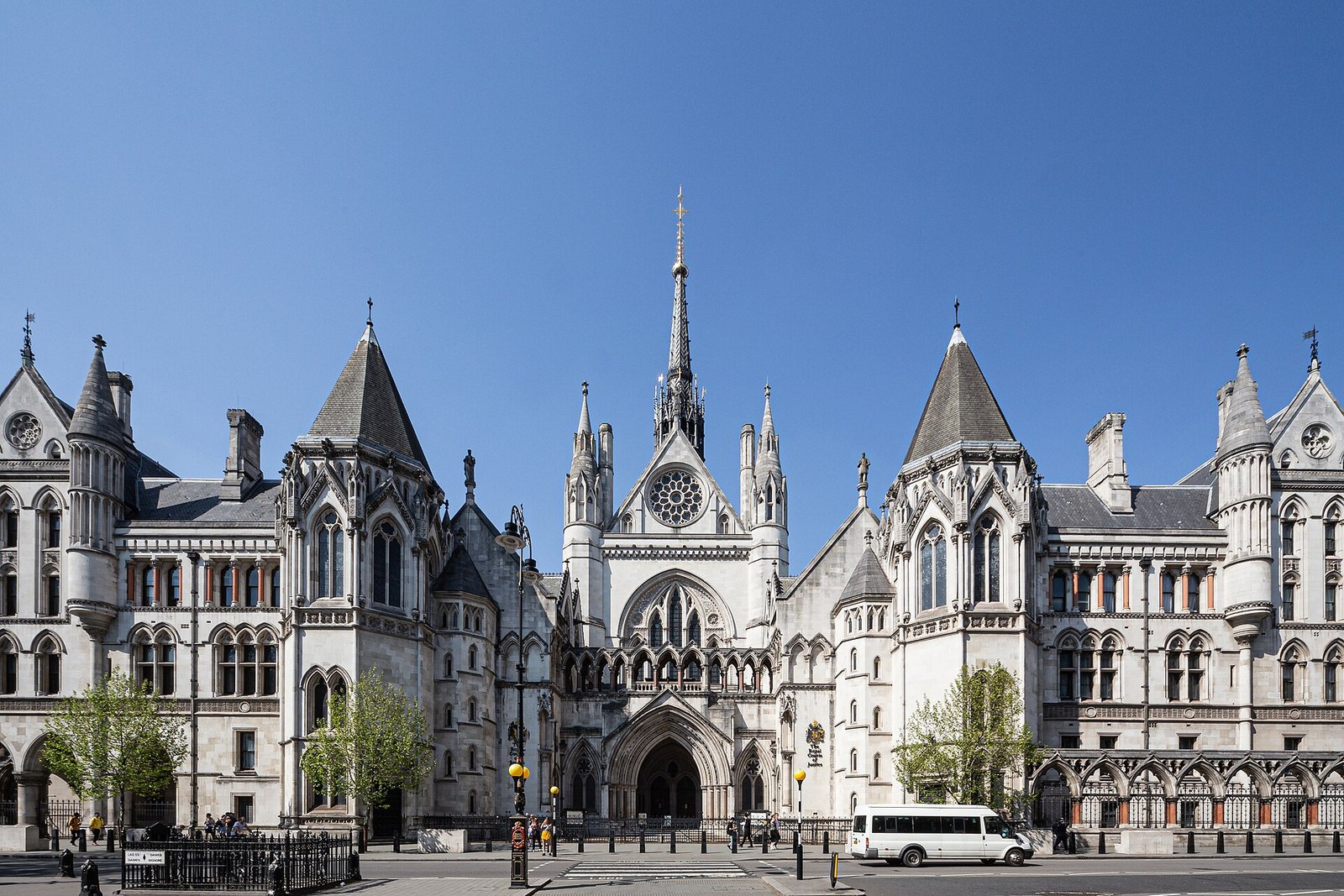
The offences and the agencies that enforce them
Business crime in England and Wales is spread across several statutes, and white collar crime solicitors London practitioners must work across all of them. The most common are summarised below, with the agency most likely to investigate.
Core offences
- Fraud. The Fraud Act 2006 creates a general offence of fraud committed by false representation, failing to disclose information, or abuse of position. Conspiracy to defraud survives at common law and is still used in complex cases.
- Bribery. The Bribery Act 2010 covers offering or paying a bribe (section 1), receiving one (section 2), bribing a foreign public official (section 6) and the corporate offence of failing to prevent bribery (section 7).
- Money laundering. Part 7 of the Proceeds of Crime Act 2002 contains the principal offences in sections 327 to 329 (concealing, arranging and acquiring criminal property), together with failure-to-disclose and tipping-off offences for the regulated sector.
- Tax evasion facilitation. Part 3 of the Criminal Finances Act 2017 makes a company liable if it fails to prevent an associated person facilitating UK or foreign tax evasion.
- Market abuse. Insider dealing under Part V of the Criminal Justice Act 1993, and misleading statements and impressions under the Financial Services Act 2012.
- Accounting and company offences. False accounting under the Theft Act 1968, and offences under the Companies Act 2006 and the Insolvency Act 1986, such as fraudulent trading.
Who investigates and prosecutes
| Agency | Typical cases | Notable powers |
|---|---|---|
| Serious Fraud Office (SFO) | Top-tier fraud, bribery and corruption, often international | Compulsory interviews and document production under section 2 of the Criminal Justice Act 1987; can offer deferred prosecution agreements |
| Crown Prosecution Service (CPS) | Fraud and money laundering investigated by police forces and the NCA | Charging decisions, confiscation, DPAs |
| Financial Conduct Authority (FCA) | Insider dealing, market manipulation, unauthorised business, money laundering in regulated firms | Criminal prosecution alongside civil and regulatory enforcement |
| HM Revenue & Customs | Tax fraud, evasion facilitation, some sanctions and export control breaches | Criminal investigation and civil Code of Practice 9 route |
| National Crime Agency (NCA) | Serious and organised economic crime, kleptocracy | Receives suspicious activity reports; civil recovery and unexplained wealth orders |
Scotland has its own prosecutor, the Crown Office and Procurator Fiscal Service, and different procedure; the deferred prosecution agreement scheme described below applies in England and Wales only. Northern Ireland has its own Public Prosecution Service.
How companies become criminally liable: the 2025 and 2026 reforms
For decades, a company could only be convicted of most offences if the person who committed them was its "directing mind and will", the identification doctrine associated with Tesco Supermarkets Ltd v Nattrass. That test made large companies hard to prosecute, because senior boards rarely take the decisions that amount to crime. Parliament has now changed the position in three steps.
Senior manager attribution
The Economic Crime and Corporate Transparency Act 2023 introduced a rule that a company is liable for an economic crime committed by a senior manager acting within the actual or apparent scope of their authority. The Crime and Policing Act 2026 has gone further. Section 250 of that Act extends the senior manager test to all criminal offences, and from 29 June 2026 it replaced the economic-crime-only version in the 2023 Act. "Senior manager" is about the role a person plays in managing a substantial part of the business, not their job title, and there is no reasonable procedures defence.
Failure to prevent fraud
Since 1 September 2025, section 199 of the Economic Crime and Corporate Transparency Act 2023 has made a large organisation guilty of an offence if an employee, agent, subsidiary or other associated person commits a specified fraud offence intending to benefit the organisation or its clients. A "large organisation" meets two of three tests in the preceding financial year: turnover above £36 million, balance sheet total above £18 million, or more than 250 employees. The only defence is that the organisation had reasonable fraud prevention procedures, or that it was reasonable to have none. The Home Office has published statutory guidance on the offence.
The failure to prevent family
The fraud offence sits alongside failure to prevent bribery (section 7 of the Bribery Act 2010) and failure to prevent the facilitation of tax evasion (sections 45 and 46 of the Criminal Finances Act 2017). Each carries an unlimited fine and turns on the quality of the company's preventive procedures. Our anti-bribery and corruption team reviews those procedures, and our guide to the failure to prevent fraud offence sets out what "reasonable procedures" look like in practice.
Corporate criminal liability in England and Wales no longer depends on catching the board. A senior manager acting within their authority, or an associated person committing fraud for the company's benefit, can now be enough.
Key decisions: investigate, self-report, cooperate or defend
When a company discovers possible wrongdoing, it faces a sequence of choices with no risk-free answer. White collar crime solicitors London general counsel bring in early help them make those choices on an informed basis, with the trade-offs recorded.
Whether and how to investigate
An internal investigation establishes the facts, identifies who was involved and tests whether the problem is isolated. It should be scoped carefully, run under legal professional privilege where possible, and designed so that it does not prejudice any later criminal investigation. The Court of Appeal in SFO v Eurasian Natural Resources Corporation Ltd [2018] EWCA Civ 2006 confirmed that litigation privilege can protect investigation material once a prosecution is reasonably in contemplation, but privilege must be analysed document by document. Our article on running internal investigations explains the mechanics.
Whether to self-report
The SFO's corporate guidance, published in April 2025, says that a company which self-reports promptly and cooperates fully will be invited to negotiate a deferred prosecution agreement rather than face prosecution, unless exceptional circumstances apply. The SFO aims to respond to a self-report within 48 business hours, to decide whether to open an investigation usually within six months, and to conclude DPA negotiations within six months of an invitation. A suspicious activity report to the NCA is not a self-report.
Self-reporting is not always right. It may expose the company in other jurisdictions, trigger civil claims, and commit it to cooperation that includes producing interview records and possibly waiving privilege. The decision depends on the strength of the evidence, the likelihood of independent discovery, the jurisdictions involved and the company's commercial position.
Deferred prosecution agreements
A DPA, under section 45 of and Schedule 17 to the Crime and Courts Act 2013, suspends a prosecution of a company on conditions, typically a financial penalty, disgorgement of profit, compensation, cooperation and compliance improvements. It must be approved by a Crown Court judge as being in the interests of justice and fair, reasonable and proportionate. DPAs are available to organisations only, never to individuals, who may still be prosecuted. See our guide to deferred prosecution agreements.
Individuals under investigation
Directors and employees need separate advice when their interests diverge from the company's. Typical decisions include whether to attend a voluntary interview under caution, what to say in a section 2 interview, how to respond to a request for devices and passwords, and whether to give a prepared statement. Separate representation is often essential where the company is cooperating with prosecutors.
A section 2 notice from the SFO is compulsory. Failing to comply without reasonable excuse is an offence, and answers given can generally be used against the person who gave them only in limited circumstances. Take advice before the interview or the production deadline, not after. Our guide to the SFO section 2 notice explains the process.
How a white collar investigation unfolds
No two cases follow the same path, but most corporate investigations in England and Wales move through recognisable stages. White collar crime solicitors London clients engage at the start can influence each of them.
- Trigger and triage. A whistleblower, auditor, bank, regulator or overseas authority raises a concern. Lawyers assess the allegation, the offences in play, the jurisdictions and whether any immediate reporting duty applies.
- Preservation. A legal hold is issued, auto-deletion is suspended and devices and messaging data are secured. Destroying material after an investigation is contemplated can itself be an offence.
- Internal investigation. A privileged, scoped review of documents and interviews of key staff, with a clear plan for how findings will be recorded and who will see them.
- Engagement with authorities. A decision on self-reporting, or a response to a section 2 notice, search warrant, production order or request for a voluntary interview.
- Cooperation or contest. Agreeing an investigation scope with prosecutors, producing material, managing privilege and disclosure, or preparing to defend charges.
- Charging decision or resolution. The prosecutor decides whether to charge, offer a DPA or close the case. Investigations of this kind commonly take years rather than months.
- Trial, sentence or DPA approval. Contested cases are tried in the Crown Court. Corporate sentencing follows the Sentencing Council guideline for corporate offenders in fraud, bribery and money laundering cases.
- Aftermath. Confiscation, civil recovery, debarment from public contracts, regulatory follow-up and civil claims by victims.
Documents and evidence to assemble
Economic crime cases are won and lost on documents, and white collar crime solicitors London companies instruct will ask for them first. Whether cooperating or defending, a company should be able to find and explain the following quickly.
- Board and committee minutes, delegations of authority and organisation charts, which now matter more because of the senior manager test.
- Risk assessments, anti-bribery, anti-fraud, anti-money-laundering and tax evasion policies, training records and evidence that they were applied.
- Third-party due diligence files for agents, intermediaries, distributors and joint venture partners, especially in high-risk markets.
- Payment records, approvals, expense claims, invoices and contracts relating to the transactions in question.
- Emails, chat and messaging data, including on personal devices and ephemeral messaging apps if used for business.
- Whistleblowing reports and the company's response to them.
- Audit reports, internal control findings and remediation trackers.
- Records of any previous misconduct, disciplinary action and how it was resolved, which prosecutors expect to see.
Collecting this material should be done forensically, with chain of custody preserved, so that it can be relied on later and does not give rise to accusations of selective disclosure.
Risks and common mistakes
Interviewing staff before the strategy is settled
An early, informal interview can contaminate recollections, alert wrongdoers and generate unprivileged notes that later have to be disclosed. The SFO's guidance asks companies to consult it before interviewing witnesses where it is investigating. Decide first who will interview, under what privilege analysis, how the interview will be recorded and whether prosecutors should be told. In some cases the right answer is to secure documents and wait. Employees should be told that the company's lawyers act for the company, not for them, and invited to take independent advice where their own conduct is in question.
Tipping off and prejudicing an investigation
Regulated businesses that have made a suspicious activity report must not disclose that fact, or that an investigation is under way, in a way likely to prejudice it. Unregulated businesses face a parallel offence of prejudicing an investigation. Conversations with customers, counterparties and even auditors need care. Equally, moving or destroying documents once an investigation is suspected can amount to perverting the course of justice or a specific offence under the Criminal Justice Act 1987. Clear internal instructions, issued early and recorded, are the best protection.
Treating compliance as paperwork
Every failure to prevent offence turns on whether procedures were adequate or reasonable in practice. A policy that was never risk-assessed, never trained on and never enforced is unlikely to help. Prosecutors look for top-level commitment, proportionate procedures, due diligence on associated persons, communication, and monitoring and review. With the failure to prevent fraud offence now in force, large organisations should be able to show a documented fraud risk assessment that covers sales practices, financial reporting and dealings with customers, not just theft by employees.
One lawyer for the company and its executives
Joint representation may look efficient but often breaks down. If the company decides to cooperate, it may need to hand over material that incriminates an executive, or blame individuals to secure a DPA. Conflicts of interest of this kind cannot always be managed. Early separate representation for individuals at risk protects them and protects the company's freedom to cooperate. Directors' and officers' insurance may cover defence costs, so check the policy terms and notification requirements at once.
Ignoring the parallel consequences
A conviction, and sometimes a DPA, can lead to exclusion or debarment from public contracts under the Procurement Act 2023, regulatory action, director disqualification, civil claims by victims, banking relationship reviews and investigations abroad. Plan for these at the outset. Statements made to one authority can be obtained by another, and admissions in a DPA statement of facts can be relied on in civil litigation. Our public procurement team advises on self-cleaning and exclusion risk.
Cross-border investigations
For white collar crime solicitors London clients rely on, most serious economic crime is international. Money moves through several jurisdictions, and evidence sits on overseas servers. English prosecutors can obtain material abroad through mutual legal assistance and, for the SFO, through section 2 notices served on UK companies requiring production of documents held overseas by those companies. Extradition is governed by the Extradition Act 2003.
The Bribery Act has wide reach. The section 7 offence applies to any company that carries on business or part of a business in the UK, wherever the bribery took place. Conduct in Bangladesh, the Gulf, Singapore or China by an agent of a company with UK operations can therefore lead to prosecution in London.
Investigations increasingly run in parallel. A UK matter may be accompanied by inquiries from the United States Department of Justice under the Foreign Corrupt Practices Act, from the European Public Prosecutor's Office, or from local agencies. In Bangladesh, the Anti-Corruption Commission and the Bangladesh Financial Intelligence Unit investigate corruption and money laundering, and the Money Laundering Prevention Act 2012 can apply to the same funds. Coordinating what is said, and when, across jurisdictions is essential, particularly because a self-report in one country may be shared with others.
TRW & Co's offices in Dhaka, Singapore and Dubai allow us to gather facts and coordinate with local counsel without losing control of privilege. Where asset recovery is needed alongside a criminal case, our civil fraud and asset recovery team can act for victims, and our anti-money laundering team advises on reporting duties.
How our white collar crime solicitors London team helps
We act for companies, boards, senior executives and victims. Where advocacy in the higher courts is required, we instruct specialist counsel. As white collar crime solicitors London organisations instruct, our work usually falls into the following workstreams.
Urgent response
Advising on the first 72 hours after a dawn raid, search warrant, arrest, section 2 notice or whistleblower report. We set up legal holds, privilege protocols and a communications plan for staff, auditors and banks.
Internal investigations
Scoping and running privileged investigations, including document review and witness interviews, and reporting findings to boards and audit committees in a way that preserves options.
Self-report and DPA strategy
Analysing whether to self-report, preparing the report, managing cooperation with the SFO or CPS, and negotiating the terms and statement of facts in any deferred prosecution agreement.
Individual defence
Representing directors and employees in interviews under caution and compelled interviews, responding to production orders, and preparing defence cases through to trial.
Prevention procedures
Fraud, bribery and tax evasion risk assessments, policy drafting, training and third-party due diligence frameworks designed to meet the failure to prevent defences.
Parallel proceedings
Coordinating criminal, regulatory, civil and procurement consequences, including debarment risk, director disqualification and claims by victims or shareholders.
Checklist for decision-makers
- Do we know which of our entities meet the large organisation tests for failure to prevent fraud?
- Have we mapped who counts as a senior manager now that the attribution rule covers all offences?
- Is there a current fraud, bribery and tax evasion risk assessment, approved by the board?
- Do we have a written response plan for a raid, a section 2 notice or a whistleblower allegation?
- Who decides on self-reporting, and on what information?
- Are individuals at risk separately advised, and has D&O insurance been notified?
- Have we considered the overseas, procurement and civil consequences of every step?
White collar crime solicitors London businesses call early can make each of these decisions faster and with less risk. To discuss a matter in confidence, contact our London office, or see the full range of our practice areas.
Frequently asked questions
01What should a company do in the first hours after an SFO or police search?
Cooperate with officers, but call lawyers immediately and ask for a copy of the warrant or notice. Nominate a senior contact, keep a record of what is taken, and do not obstruct. Identify material that may be legally privileged so it can be set aside for independent review. Afterwards, issue a legal hold, brief the board and key staff on what they can and cannot say, consider notification to insurers and auditors, and plan communications. Do not interview staff about the substance until a strategy is agreed.
02Does the failure to prevent fraud offence apply to my company?
It applies to a large organisation, meaning a body that met two or more of three conditions in the previous financial year: turnover over £36 million, balance sheet total over £18 million, or more than 250 employees. Group size can count where a parent is large. The organisation is liable if an associated person, such as an employee, agent or subsidiary, commits a specified fraud intending to benefit it or its clients. The defence is to show reasonable fraud prevention procedures were in place.
03Should we self-report suspected bribery or fraud to the SFO?
It depends on the facts. The SFO's April 2025 guidance says a company that self-reports promptly and cooperates fully will be invited to negotiate a DPA unless exceptional circumstances apply, which is a strong incentive. Against that, a report may trigger investigations elsewhere, civil claims and cooperation obligations including producing interview records. Lawyers should first establish enough facts to make an informed decision, quickly, and the reasoning should be recorded for the board.
04Can a director be prosecuted personally if the company signs a DPA?
Yes. Deferred prosecution agreements are available only to organisations. Individuals involved in the conduct can still be investigated and prosecuted, and the agreed statement of facts in a DPA may describe their role. Directors and employees whose conduct is in question should take separate legal advice early, as their interests may diverge from the company's, especially if the company is cooperating with prosecutors and sharing material.
05What is a section 2 notice and do I have to answer it?
A section 2 notice is issued by the SFO under the Criminal Justice Act 1987. It can require a person to attend an interview and answer questions, or to produce documents. Compliance is compulsory, and failing to comply without reasonable excuse is an offence. There are protections: answers given under compulsion can generally only be used against that person in limited circumstances. Legally privileged material need not be produced. Take advice before the deadline.
06How long do serious fraud investigations take?
Usually years rather than months. The SFO says it normally decides whether to open an investigation within six months of a self-report, and aims to conclude DPA negotiations within six months of inviting a company to negotiate. Full investigations, charging decisions and trials take considerably longer, especially when evidence must be obtained from overseas. Companies should budget and plan for a long process and keep remediation moving in the meantime.
07Does English law apply to bribery committed abroad?
Often, yes. UK nationals, residents and UK-incorporated bodies can be prosecuted for bribery committed anywhere. The corporate section 7 offence goes further: it applies to any company that carries on business or part of a business in the UK, regardless of where it is incorporated or where the bribe was paid by its associated person. Foreign companies with UK operations should therefore apply adequate procedures across the group.
Sources and official materials
- Economic Crime and Corporate Transparency Act 2023 — Failure to prevent fraud, large organisation tests
- Offence of failure to prevent fraud: guidance — Home Office guidance on reasonable procedures
- Bribery Act 2010 — Bribery offences and failure to prevent bribery
- Criminal Justice Act 1987, section 2 — SFO compulsory investigation powers
- Crime and Courts Act 2013, Schedule 17 — Deferred prosecution agreements
- Serious Fraud Office — SFO publications and corporate guidance
- Proceeds of Crime Act 2002 — Money laundering offences and confiscation
- CPS legal guidance: corporate prosecutions — How prosecutors approach corporate suspects
General information only, current as at 21 October 2026. It is not legal advice and does not create a solicitor–client relationship. It reflects the law of England and Wales unless stated otherwise; Scotland and Northern Ireland have separate legal systems, and the law changes frequently. Check current official sources and take advice on the facts of your matter.