
TRW & Co · Employment, Pensions & Immigration
Discrimination and Harassment Solicitors in London
Discrimination and harassment claims carry uncapped compensation, need no qualifying service and can name individual managers. Our discrimination solicitors London clients instruct advise employers and individuals on the Equality Act 2010, the strengthened sexual harassment prevention duty from 30 October 2026, workplace investigations, the new six-month tribunal time limit and settlement.
Key pointFrom 30 October 2026 employers must take all reasonable steps to prevent sexual harassment and must not permit third-party harassment of their staff; the evidence that will decide those cases is the risk assessment and action plan written before any complaint.
At a glance
Nine protected characteristics
Section 4 of the Equality Act 2010 protects age, disability, gender reassignment, marriage, pregnancy, race, religion or belief, sex and sexual orientation.
No service, no cap
Discrimination claims need no minimum service and compensation, including for injury to feelings, is not subject to a statutory cap.
Six-month time limit
Since 1 October 2026 most tribunal claims, including discrimination under section 123, must generally be brought within six months, subject to Acas early conciliation.
Harassment duty strengthens
From 30 October 2026 employers must take all reasonable steps to prevent sexual harassment and must not permit third-party harassment of employees.
Up to 25% uplift
Where a sexual harassment claim succeeds and the prevention duty was breached, a tribunal can increase compensation by up to 25%.
Swipe or scroll →
What discrimination and harassment law covers in England and Wales
Discrimination law decides whether a decision about recruitment, pay, promotion, discipline, adjustments or dismissal was tainted by a protected characteristic, and whether conduct at work crossed the line into harassment or victimisation. As discrimination solicitors London employers and senior employees instruct, we see these questions arise at every stage of the working relationship, from a job advert to a post-termination reference.
The stakes are different from ordinary employment disputes. There is no minimum period of service, compensation is not capped, and claims can be brought by job applicants, employees, workers, contractors who personally perform work, and former staff. Individual managers and colleagues can be named as respondents alongside the employer.
Harassment law has also moved from a reactive to a preventive model. Since October 2024 employers have owed a positive duty to take reasonable steps to prevent sexual harassment, and that duty is strengthened from 30 October 2026. A business that only reacts to complaints is now exposed in a way it was not three years ago.
When it becomes a legal question
It usually becomes legal earlier than people expect: when a grievance mentions a characteristic, when an employee discloses a health condition, when a restructure lands disproportionately on one group, or when an allegation about a senior figure reaches HR. How that first moment is handled shapes the evidence a tribunal will later read.
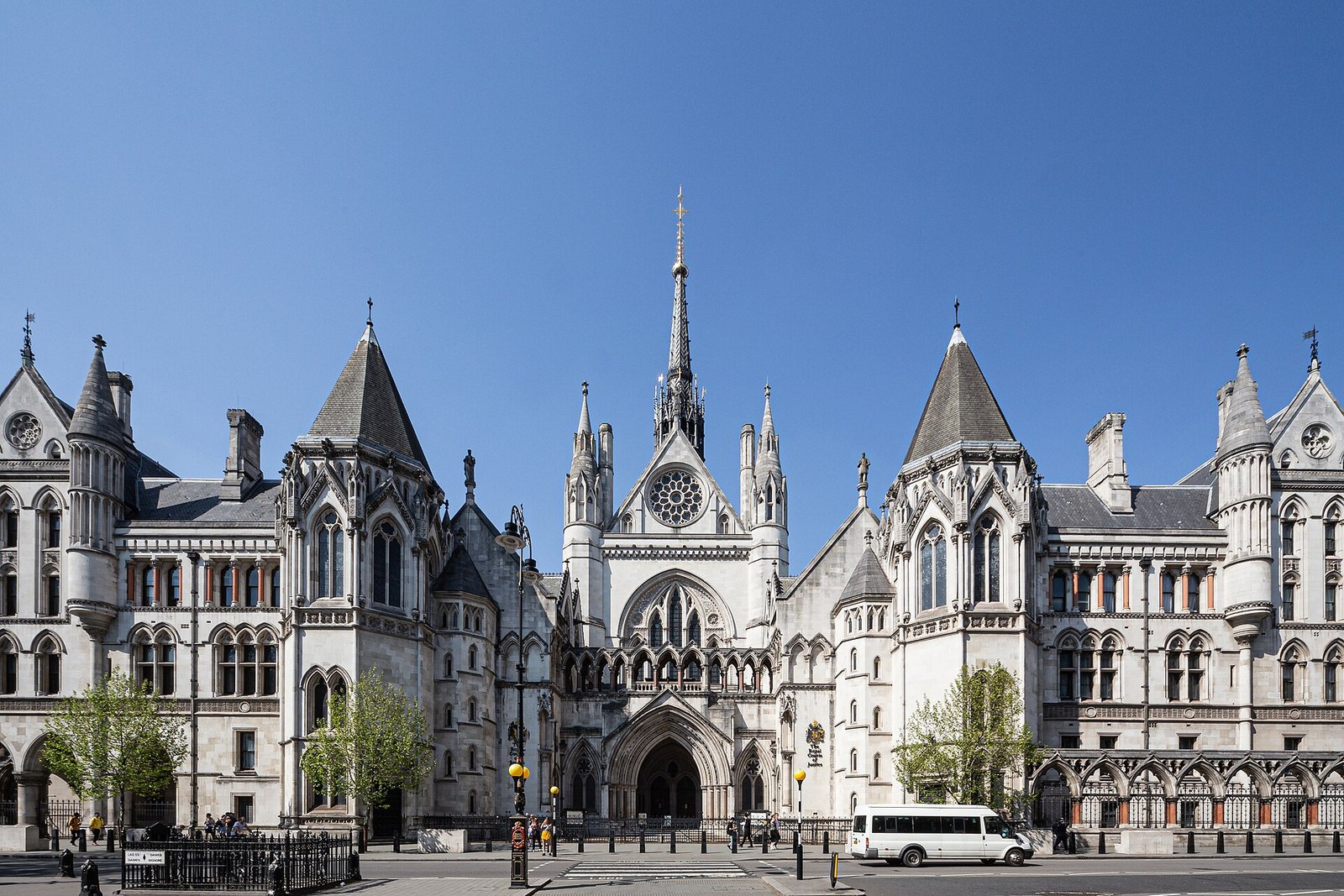
The legal framework: the Equality Act 2010 and recent reform
The core statute is the Equality Act 2010, which applies in England, Wales and Scotland. Northern Ireland has its own separate anti-discrimination legislation, which differs in important respects, so cross-UK employers should not assume one policy fits all three jurisdictions.
Protected characteristics
Section 4 lists nine protected characteristics: age, disability, gender reassignment, marriage and civil partnership, pregnancy and maternity, race, religion or belief, sex and sexual orientation. Not every type of claim is available for every characteristic. For example, the harassment provisions do not cover marriage and civil partnership or pregnancy and maternity, which are dealt with through other routes.
The forms of prohibited conduct
- Direct discrimination (section 13). Less favourable treatment because of a protected characteristic. It cannot be justified, except in the case of age.
- Indirect discrimination (section 19). A neutral provision, criterion or practice that puts a group at a particular disadvantage, unless the employer shows it is a proportionate means of achieving a legitimate aim.
- Discrimination arising from disability (section 15) and the duty to make reasonable adjustments (sections 20 and 21). These are the most frequently litigated disability claims and often turn on what the employer knew or ought reasonably to have known.
- Harassment (section 26). Unwanted conduct related to a relevant characteristic, or of a sexual nature, which violates dignity or creates an intimidating, hostile, degrading, humiliating or offensive environment.
- Victimisation (section 27). Detriment because someone made, supported or was suspected of making a discrimination complaint.
Employer liability and the reasonable steps defence
Under section 109 an employer is liable for acts of its employees in the course of employment, whether or not it knew or approved. The statutory defence is that the employer took all reasonable steps to prevent the conduct. Tribunals test this rigorously: a policy that nobody read and training that was delivered once, years ago, rarely succeeds.
Burden of proof
Section 136 shifts the burden. Once the claimant proves facts from which a tribunal could conclude that discrimination occurred, the employer must prove a non-discriminatory explanation. This is why contemporaneous decision records matter so much in any case our discrimination solicitors London clients bring to us.
Recent appellate guidance
In For Women Scotland Ltd v The Scottish Ministers [2025] UKSC 16, the Supreme Court held that "sex" in the Equality Act refers to biological sex. Employers have had to revisit policies on facilities, single-sex services and data collection in light of the judgment and the guidance that followed. Belief cases have also continued to develop, particularly on how employers may respond to the manifestation of protected beliefs at work.
The sexual harassment prevention duty and the Employment Rights Act 2025
The Worker Protection (Amendment of Equality Act 2010) Act 2023 inserted section 40A into the Equality Act from 26 October 2024. It requires employers to take reasonable steps to prevent sexual harassment of employees in the course of their employment. It is enforced by the Equality and Human Rights Commission and, where a tribunal upholds a sexual harassment claim and finds a breach of the duty, by a compensation uplift of up to 25%.
The Employment Rights Act 2025, which received Royal Assent in December 2025, goes further. According to the government's implementation timeline, from 30 October 2026:
- the duty becomes a duty to take all reasonable steps to prevent sexual harassment;
- employers come under an obligation not to permit harassment of their employees by third parties, such as clients, customers and contractors; and
- ministers gain a power to specify, by regulations, particular steps employers must take.
Other measures are due later. Regulations to restrict the use of non-disclosure agreements in harassment and discrimination cases are expected in 2027, as are enhanced dismissal protections for pregnant women and new mothers. Mandatory action plans on gender equality and menopause support are also scheduled for 2027. Our Employment Rights Act 2025 tracker and our guide to the sexual harassment prevention duty follow each date.
"All reasonable steps" is the same language that already governs the section 109 defence, and tribunals apply it strictly. A risk assessment that identifies client entertainment, late-night working or power imbalances, followed by documented action on each, is far more persuasive than a refreshed policy alone. Review it before 30 October 2026, not after the first complaint.
Key decisions for employers and employees
Most discrimination matters reach a fork early. The right route depends on the strength of the evidence, the relationship, regulatory overlay and what each side actually wants. Good discrimination solicitors London businesses rely on will frame those options before positions harden.
| Route | When it fits | Main trade-off |
|---|---|---|
| Informal resolution | Low-level conduct, ongoing relationship, complainant wants it to stop | Fast and private, but weak record if the problem recurs |
| Formal grievance and investigation | Specific allegations, named individuals, potential misconduct | Creates evidence for both sides; findings can be disclosed later |
| Independent external investigation | Senior subjects, board-level conflicts, regulated firms, multiple complainants | Credible and defensible, but costs more and takes longer |
| Negotiated exit (settlement agreement or COT3) | Relationship has broken down, both sides want certainty | Ends the claim; confidentiality terms face legal limits |
| Employment Tribunal claim | No agreement, liability disputed, or the claimant wants a public finding | Public hearing, uncapped compensation, management time |
For employers
The key decision is usually whether to investigate internally or externally, and whether to suspend. Suspension should be a neutral, reasoned act, reviewed regularly. Where the alleged harasser is senior or regulated, consider the conduct rules, the Senior Managers and Certification Regime and any reporting duties before deciding.
For employees
The key decision is often whether to raise a grievance while still employed, and how to frame it. A clearly written grievance that identifies the protected characteristic, the acts complained of and the dates helps secure time-limit protection and makes victimisation easier to prove if things then deteriorate. Our employment law team advises both employers and individuals.
Process and timeline: from complaint to tribunal
The timeline below, which our discrimination solicitors London team uses to plan matters, assumes a complaint that is not resolved informally. Since 1 October 2026 the general time limit for bringing most tribunal claims, including discrimination claims under section 123, has been six months rather than three. Claims about earlier events may still be subject to the old limit, so check the transitional position for each act complained of.
- Preserve and triage. Secure emails, messages and decision records, issue a litigation hold if a claim is likely, and identify every protected characteristic and type of claim in play.
- Grievance and investigation. Follow the Acas Code of Practice on disciplinary and grievance procedures. An unreasonable failure to follow it can increase or reduce compensation by up to 25%.
- Outcome and appeal. Give a reasoned written outcome, address each allegation and offer an appeal heard by someone not previously involved.
- Acas early conciliation. A prospective claimant must notify Acas before issuing. Early conciliation pauses the limitation clock and often produces a COT3 settlement.
- Claim and response. The claimant lodges an ET1; the employer has 28 days to file its ET3 response, which should set out its explanation in full.
- Case management. The tribunal lists issues, orders disclosure and witness statements, and may hold a preliminary hearing on time limits or disability status.
- Final hearing and remedy. Liability and remedy may be decided together or separately. Compensation covers financial loss and injury to feelings, with interest.
Our employment tribunal team conducts claims from early conciliation to final hearing, and our explainer on the employment tribunal process sets out each stage.
Documents and evidence that decide discrimination cases
Discrimination is rarely admitted. Tribunals infer it, or reject it, from the surrounding facts. That makes documents more important here than in almost any other employment dispute, and it is where discrimination solicitors London teams add most value early.
- Decision records. Scoring matrices, interview notes, promotion committee minutes and redundancy selection data, showing who decided what, when and why.
- Comparator evidence. How others in similar circumstances were treated, including pay, bonus and disciplinary outcomes.
- Policies and training records. Equality, anti-harassment and speak-up policies, with evidence of training completion and refreshers.
- Harassment risk assessment. The document that shows what the employer identified and did under the prevention duty.
- Medical and occupational health evidence. Essential in disability cases for knowledge, adjustments and prognosis.
- Messaging data. WhatsApp, Teams and Slack messages are routinely disclosed. Personal devices used for work can be in scope.
- Pay data. Gender pay gap reports for employers with 250 or more employees, and internal pay audits, which feed into equal pay and pay transparency risk.
Risks and common mistakes
Treating an anonymous or informal complaint as no complaint
Employers sometimes decide that an anonymous note, an exit interview comment or a remark to a line manager does not require action. Under the prevention duty, and with the all reasonable steps standard arriving on 30 October 2026, knowledge of a risk is what triggers the obligation to act. A tribunal will ask what the employer knew and what it did with that knowledge. The safer course is to log the information, assess whether an investigation is possible without the complainant's cooperation, and take proportionate preventive steps even where a formal investigation cannot proceed.
Victimising the complainant without meaning to
Victimisation claims often succeed where the original discrimination claim fails. Common triggers include excluding the complainant from meetings while an investigation runs, moving them rather than the alleged harasser, raising performance concerns for the first time after a grievance, or making negative remarks in a reference. Managers need clear instructions on how to behave once a protected act has been done. Any adverse step taken after a complaint should have an independent, documented rationale that predates or is clearly separate from the complaint.
Missing the duty to make reasonable adjustments
The duty arises when the employer knows, or could reasonably be expected to know, that a worker is disabled and likely to be placed at a substantial disadvantage. It does not depend on the employee asking for a specific adjustment. Mistakes include waiting for a formal diagnosis, relying on a generic occupational health report, and applying sickness absence triggers mechanically. Adjustments can include changes to hours, duties, equipment, location or the absence management process itself. Record what was considered, what was rejected and why.
Using confidentiality clauses that cannot be enforced
A settlement agreement can include confidentiality terms, but they cannot prevent a protected disclosure under whistleblowing law, and since October 2025 an agreement cannot prevent a victim of crime from making certain disclosures, for example to the police or a qualified lawyer. Regulations under the Employment Rights Act 2025 are expected to restrict non-disclosure agreements in harassment and discrimination cases further. Drafting that overreaches is unenforceable to that extent and can damage the employer's reputation if the agreement is later published. Our settlement agreement team drafts terms that will hold.
Assuming a claim is out of time
Conduct extending over a period is treated as done at the end of that period, and tribunals have a broad discretion to extend time where it is just and equitable. A series of linked incidents can therefore bring older events within scope. The increase in the general time limit to six months from 1 October 2026 widens the window further. Employers should not rely on a time-limit defence without analysing the whole chronology, and claimants should not delay on the assumption that an extension will be granted.
In discrimination cases the employer's best evidence is a clear, contemporaneous reason for the decision, written before anyone complained.
Cross-border discrimination issues
The Equality Act can apply to people working outside Great Britain where their employment has a sufficiently strong connection with it, for example staff seconded abroad by a London employer. Conversely, overseas-based managers of a UK entity can create liability in London through decisions they take about UK staff. Group policies drafted for another jurisdiction often omit UK-specific concepts such as reasonable adjustments or the harassment prevention duty.
For Bangladeshi groups with UK subsidiaries, the gap can be significant. Bangladeshi labour law takes a different approach to workplace discrimination and harassment, and a head-office code of conduct will rarely satisfy a UK tribunal on its own. As discrimination solicitors London subsidiaries of overseas groups instruct, we help align group policies, investigation protocols and reporting lines so that decisions taken in Dhaka about London staff are defensible here. EU-based groups face similar issues, as EU equality directives and UK law have begun to diverge since Brexit.
In the Gulf, Singapore and China, local employment and anti-discrimination rules differ again. Where an investigation involves witnesses or documents abroad, data protection, local labour law and privilege need to be planned in advance; our data protection team advises on cross-border transfers of investigation material.
How our discrimination solicitors London team helps
TRW & Co's London office is authorised and regulated by the Solicitors Regulation Authority. We act for employers, boards, senior executives and individuals. Where advocacy in the higher courts is required, we instruct specialist counsel.
Prevention duty audits
We review harassment risk assessments, policies, reporting channels and training against the all reasonable steps standard. The output is a prioritised action plan the board can evidence.
Workplace investigations
We scope and conduct, or oversee, independent investigations into discrimination and harassment allegations. Terms of reference, privilege and data handling are settled before interviews start.
Grievances and adjustments
We advise managers in real time on grievances, suspensions, reasonable adjustments and absence management, so decisions are recorded properly from the outset.
Tribunal claims
We conduct discrimination, harassment, victimisation and equal pay claims for claimants and respondents, from early conciliation through disclosure, witness evidence and final hearing.
Negotiated exits
We negotiate settlement agreements and COT3s, with confidentiality, reference and announcement terms that comply with current law.
Senior and regulated individuals
We advise on allegations involving directors and partners, including regulatory notifications and fitness and propriety implications, working with our senior executive team.
To discuss a matter, contact our London office at Holborn Gate, 330 High Holborn, London WC1V 7QH, email info@trw.co or call +880 1779 127165. You can also browse all our practice areas.
Checklist for decision-makers
Use this list to test readiness before a complaint arrives, or the moment one does. Discrimination solicitors London boards instruct will usually start with the same questions.
- Is there a current, documented sexual harassment risk assessment, and has it been updated for the all reasonable steps duty and third-party harassment from 30 October 2026?
- Do managers know how to recognise a disability disclosure and when the duty to make reasonable adjustments arises?
- Are decision records for hiring, pay, promotion and redundancy kept in a form that would explain each decision to a tribunal?
- Is there a safe, independent reporting channel, including for complaints about senior leaders?
- Are investigation terms of reference, suspension criteria and anti-victimisation instructions ready to use?
- Do settlement and confidentiality templates reflect the October 2025 victims' disclosure rule and anticipated restrictions on non-disclosure agreements?
- Has the business diarised the six-month time limit and assessed whether older allegations could be linked to recent conduct?
- For international groups, do group policies and reporting lines work under UK law?
If several answers are uncertain, early advice from discrimination solicitors London-based and familiar with current reform is usually cheaper than defending a claim.
Frequently asked questions
01Do I need two years of service to bring a discrimination claim?
No. Discrimination, harassment and victimisation claims under the Equality Act 2010 do not require any minimum period of service. Job applicants can bring claims about recruitment decisions, and former employees can bring claims about post-employment conduct such as references. The protection covers employees, workers and some self-employed people who personally perform work. This is different from ordinary unfair dismissal, where a qualifying period currently applies and is due to fall to six months for dismissals from 1 January 2027.
02How long do I have to bring a discrimination claim?
Since 1 October 2026 the general time limit for discrimination claims in the Employment Tribunal is six months from the act complained of, extended by Acas early conciliation. Claims about events before that date may still be subject to the previous three-month limit, so take advice promptly. Conduct extending over a period is treated as done at the end of the period, and the tribunal can extend time where it is just and equitable, but extensions are discretionary and should never be assumed.
03What does the employer's duty to prevent sexual harassment require?
Since 26 October 2024 employers have had to take reasonable steps to prevent sexual harassment of employees. From 30 October 2026 that becomes all reasonable steps, and employers must also not permit harassment of employees by third parties such as clients and customers. In practice this means a documented risk assessment, a clear policy, effective training, safe reporting routes and prompt action on concerns. The Equality and Human Rights Commission can enforce the duty, and a tribunal can uplift sexual harassment compensation by up to 25%.
04Can my employer be liable for harassment by a client or customer?
Increasingly, yes. From 30 October 2026 the Employment Rights Act 2025 introduces an obligation on employers not to permit the harassment of their employees by third parties. The existing preventive duty already requires employers to consider risks from clients, customers and contractors when assessing sexual harassment risk. Employers should identify where staff interact with third parties, set expectations in client terms and events policies, and act promptly when an incident is reported, including by removing the employee from the situation where appropriate.
05What compensation can a tribunal award for discrimination?
A tribunal can award compensation for financial loss, such as lost earnings and pension, with no statutory cap, together with an award for injury to feelings assessed by reference to bands published in Presidential Guidance and updated periodically. It can also award compensation for personal injury, aggravated damages in some cases, and interest. It may make recommendations to reduce the adverse effect of the discrimination. Compensation can be adjusted by up to 25% for unreasonable failure to follow the Acas Code on grievances.
06Should we suspend an employee accused of harassment?
Suspension is not automatic and should not be used as a sanction. Consider whether it is necessary to protect the investigation, the complainant or other staff, and whether alternatives such as changes to reporting lines, location or remote working would work. If you suspend, confirm in writing that it is a neutral act, keep it as short as possible and review it regularly. For regulated firms, also consider conduct rules and any notification obligations before deciding.
07Can a settlement agreement keep a harassment complaint confidential?
Partly. A settlement agreement can include confidentiality terms, but it cannot prevent a protected disclosure under whistleblowing law, and since October 2025 it cannot prevent a victim of crime from making certain disclosures, for example to the police, a regulator or a qualified lawyer. The Employment Rights Act 2025 provides for regulations restricting non-disclosure agreements in harassment and discrimination cases, expected in 2027. Terms that go beyond what the law allows will be unenforceable to that extent.
Sources and official materials
- Equality Act 2010 — Protected characteristics, prohibited conduct, liability and remedies
- Equality Act 2010, section 40A — Employer duty to prevent sexual harassment of employees
- Worker Protection (Amendment of Equality Act 2010) Act 2023 — Introduced the preventive duty and 25% compensation uplift
- Employment Rights Act 2025 — All reasonable steps, third-party harassment, time limits and NDAs
- GOV.UK: Implementing the Plan to Make Work Pay and Employment Rights Act — Official commencement timetable for 2026 and 2027
- Acas: Sexual harassment — Employer guidance on preventing and handling sexual harassment
- Acas: Discrimination and the law — Overview of discrimination types and protected characteristics
General information only, current as at 21 October 2026. It is not legal advice and does not create a solicitor–client relationship. It reflects the law of England and Wales unless stated otherwise; Scotland and Northern Ireland have separate legal systems, and the law changes frequently. Check current official sources and take advice on the facts of your matter.