
TRW & Co · Competition, Regulatory & Investigations
Public Procurement Lawyers in the UK
Public procurement lawyers UK suppliers and public bodies rely on navigate the Procurement Act 2023, which has governed new procurements since 24 February 2025. The regime changes how tenders run, who can be excluded and what transparency is owed. For bidders, the critical point is speed: an eight working day standstill decides whether a contract can still be stopped.
Key pointOnly proceedings issued and notified within the eight working day standstill automatically suspend contract signature under section 101 of the Procurement Act 2023. After signature, a bidder is normally limited to damages unless a set aside condition applies.
At a glance
New regime since 2025
The Procurement Act 2023 governs procurements started on or after 24 February 2025; earlier procurements stay under the Public Contracts Regulations 2015.
Eight working day standstill
Section 51 bars signature of most competitively awarded contracts until eight working days after the contract award notice is published.
Thirty-day challenge limit
Section 106 requires most claims within 30 days of knowledge; extensions for good reason cannot go beyond three months from knowledge.
Revised 2026 thresholds
From 1 January 2026, the goods and services threshold is £135,018 for central government and £207,720 for sub-central authorities, including VAT.
Central debarment list
Ministers can debar suppliers after investigation under section 62; listing on a mandatory ground requires all authorities to exclude the supplier.
Swipe or scroll →
What public procurement law covers in the UK
Public procurement lawyers UK suppliers and public bodies instruct advise on the rules that govern how contracting authorities buy goods, services and works. Those rules decide who may bid, how tenders are assessed, what must be published, when a contract may be signed, and what a disappointed bidder can do about an unlawful award. They also govern changes to contracts after award and, increasingly, how suppliers perform.
The rules apply to central government departments, local authorities, NHS bodies, universities and other bodies governed by public law, and to utilities in the energy, water and transport sectors. Defence and security procurement is covered by the same framework with specific adaptations. Private companies are affected whenever they sell to, partner with or subcontract to the public sector.
A procurement becomes a legal question at several points: when an authority designs a tender, when a supplier suspects the evaluation was flawed, when a supplier is excluded, and when a contract needs to change mid-term. Timing is unforgiving. Challenge periods are short, and the right to stop a contract being signed can be lost within days.
Since 24 February 2025, the main framework in England, Wales and Northern Ireland has been the Procurement Act 2023. This page explains how it works, how to bid and challenge effectively, and where Scotland differs.
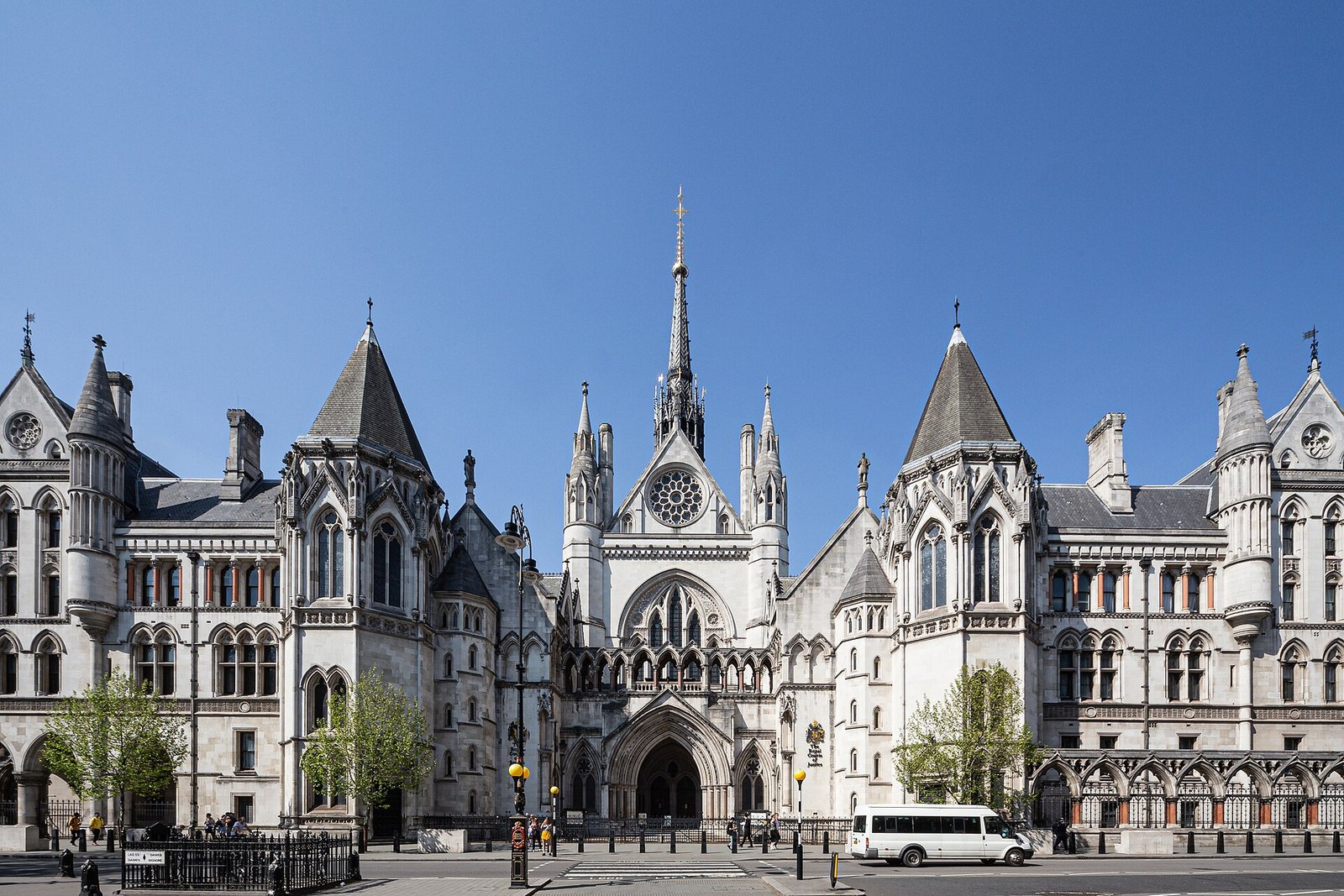
The legal framework after the Procurement Act 2023
The Procurement Act 2023 replaced four sets of EU-derived regulations: the Public Contracts Regulations 2015, the Utilities Contracts Regulations 2016, the Concession Contracts Regulations 2016 and the Defence and Security Public Contracts Regulations 2011. Procurements started before 24 February 2025, and contracts awarded under them, continue to be governed by the old regulations, so public procurement lawyers UK clients consult still need to work under both regimes for some years.
Objectives and principles
Section 12 requires authorities to have regard to delivering value for money, maximising public benefit, sharing information, and acting and being seen to act with integrity. They must treat suppliers the same unless a difference is justified, and must have regard to barriers facing small and medium-sized enterprises. Authorities must also have regard to the national procurement policy statement under section 13, and Welsh authorities to the Wales procurement policy statement.
Procedures and award
There are two competitive procedures under section 20: the single-stage open procedure and the competitive flexible procedure, which authorities design themselves provided it is proportionate. Contracts are awarded to the "most advantageous tender" under section 19, replacing the old "most economically advantageous tender" test. Direct award without competition is allowed only on specified grounds, such as extreme urgency, and requires a transparency notice. Frameworks and dynamic markets allow repeat purchasing.
Thresholds
The Act's full rules apply above financial thresholds, which are inclusive of VAT and reviewed periodically. Revised thresholds took effect for procurements started on or after 1 January 2026 under the Procurement Act 2023 (Threshold Amounts) (Amendment) Regulations 2025. Those Regulations do not apply to contracts regulated by the Welsh Ministers, which keep earlier thresholds for now.
| Contract type | Threshold |
|---|---|
| Central government goods and services | £135,018 |
| Sub-central authorities (for example local authorities) goods and services | £207,720 |
| Works contracts | £5,193,000 |
| Utilities goods and services | £415,440 |
| Defence and security goods and services | £415,440 |
| Light touch contracts (other than utilities and concessions) | £663,540 |
Below-threshold contracts are subject to lighter rules in Part 6 of the Act, including transparency duties for contracts above lower values. English local authorities have also been given scope to reserve some below-threshold contracts for local or UK businesses, SMEs and voluntary and community organisations.
Transparency and contract management
The Act requires a sequence of notices published on the Central Digital Platform, hosted on Find a Tender. Key duties include assessment summaries for each bidder and a contract award notice under section 50, key performance indicators for contracts above £5 million under section 52, and contract change notices for most modifications. Every public contract carries an implied term under section 68 that undisputed, valid invoices are paid within 30 days, and since 1 January 2026 authorities have had to publish payment compliance and contract performance information.
Exclusion, debarment and the integrity regime
The Act's supplier integrity regime is one of its biggest changes, and one where public procurement lawyers UK suppliers consult now spend much of their time. Authorities must exclude suppliers that meet mandatory grounds in Schedule 6, such as convictions for bribery, fraud or money laundering, and may exclude on discretionary grounds in Schedule 7, such as professional misconduct, poor performance or insolvency-related events, where the circumstances are likely to occur again. Associated persons and subcontractors are considered too.
Self-cleaning matters. A supplier caught by a ground is only "excluded" or "excludable" if the circumstances are continuing or likely to recur, so evidence of remediation, changes of management, compensation and improved compliance can keep a supplier in the market. Our white collar crime team works with procurement lawyers where a criminal investigation creates exclusion risk.
A Minister can also add a supplier to the central debarment list under section 62 after an investigation. Listing on a mandatory ground means every authority must exclude the supplier, subject to the supplier showing that circumstances have changed. Suppliers can apply for removal and appeal to the court. See our guide to the procurement debarment list.
Under the Procurement Act 2023, the most important deadline for a disappointed bidder is not the 30-day limitation period. It is the eight working day standstill, because only proceedings issued and notified within it automatically stop the contract being signed.
Challenging a procurement decision: remedies and time limits
Part 9 of the Act makes an authority's duties enforceable in civil proceedings by United Kingdom suppliers and suppliers from treaty states, meaning countries with a relevant international agreement with the UK, such as the WTO Government Procurement Agreement. Public procurement lawyers UK bidders turn to after an award should assess three things at once: the merits, the remedy available, and the clock.
Standstill and automatic suspension
Under section 51, an authority may not enter into most competitively awarded contracts until a mandatory standstill period of eight working days, beginning with the day the contract award notice is published, has ended. If proceedings are commenced during the standstill and the authority is notified, section 101 automatically suspends entry into the contract. Proceedings issued after standstill but before signature do not trigger the suspension, a change from the old regime.
Lifting the suspension
The authority can apply to lift the suspension. Section 102 replaces the general injunction test with a procurement-specific one: the court must have regard to the public interest in upholding lawful awards, the public interest in avoiding delay to supply, the interests of suppliers including whether damages are an adequate remedy, and any other relevant matters. How the courts weigh those factors is still developing.
Remedies and limitation
- Before the contract is signed: the court can set aside decisions, order the authority to take action, or award damages under section 103.
- After the contract is signed: the remedy is normally damages. A contract can be set aside only where a set aside condition in section 105 applies, for example if no contract award notice was published or the contract was signed during standstill or suspension.
- Time limits: under section 106, most claims must be started within 30 days of when the supplier knew or ought to have known of the circumstances. Specified set aside claims must be started within 30 days of knowledge and in any event within six months of the contract being entered into or modified. The court can extend time for good reason, but never beyond three months from knowledge.
Claims are usually brought in the Technology and Construction Court. Where advocacy in the higher courts is required, we instruct specialist counsel. Our article on how to challenge a procurement decision covers tactics in more detail.
Read the assessment summary the day it arrives. It must explain how your tender and the winning tender were scored against each criterion. Inconsistencies, unexplained score differences or criteria that were never advertised are the usual grounds for challenge, and the eight working day standstill often leaves only a few days to issue a claim.
A challenge, step by step
- Day of the award notice. Diary the end of standstill and the 30-day limitation date. Gather the tender documents, clarifications, your bid and the assessment summary.
- Rapid merits review. Public procurement lawyers UK bidders instruct compare scoring with the published criteria, weighting and methodology, and identify manifest errors, unequal treatment or undisclosed criteria.
- Request information. Write to the authority promptly asking for reasons and documents, and ask it to extend standstill voluntarily while it responds.
- Letter before claim. Set out the breaches and the remedy sought, with a short deadline for response that reflects the standstill timetable.
- Issue and notify. If needed, issue the claim form in the High Court within standstill and notify the authority immediately, so the automatic suspension applies.
- Suspension fight. Prepare evidence on the public interest, the adequacy of damages and the balance of interests for any application to lift the suspension.
- Disclosure and confidentiality. Agree a confidentiality ring for evaluation material and other bidders' tender information.
- Resolution. Many claims settle with a re-evaluation, a rerun or a negotiated outcome. Others proceed to an expedited trial on liability and remedy.
Bidding well: documents and evidence
Most disputes are prevented, or won, by preparation, and public procurement lawyers UK clients bring in will start with the paper trail. Suppliers should keep a structured record of every tender, and authorities should build an evaluation file that would withstand scrutiny in court. Useful documents include:
- The tender notice, tender documents, award criteria, weightings and assessment methodology, with every clarification issued.
- The supplier's bid as submitted, with time-stamped confirmation of submission.
- Conditions of participation, financial standing evidence and any declarations about exclusion grounds, associated persons and subcontractors.
- Evaluator notes, moderation records and consensus scores (for authorities), retained in line with the Act's record-keeping duties.
- Correspondence with the authority, including requests for reasons and any voluntary standstill extension.
- For contract management: KPI reports, performance assessments, change notices and payment records.
Suppliers should also maintain a remediation file covering past misconduct, contract terminations or poor performance findings, ready to show self-cleaning if an exclusion ground is raised.
Risks and common mistakes
Waiting for a debrief before taking advice
Under the old regime many suppliers waited for a debrief call before deciding what to do. Under the Procurement Act 2023, the assessment summary is published with the contract award notice, and the standstill of eight working days begins that day. Waiting a week for a meeting can mean losing the automatic suspension, leaving damages as the only remedy. Take advice as soon as the notice is published, and ask the authority for a voluntary extension of standstill in writing if more information is needed.
Applying old-regime habits to new procurements
Terminology, procedures and notices have changed: "most economically advantageous tender" is now "most advantageous tender", there are only two competitive procedures, and the exclusion regime is broader. Yet procurements started before 24 February 2025 still run under the Public Contracts Regulations 2015. Confirm which regime applies before drafting a bid, a challenge or a contract modification. Mixing the rules is a common source of error for both authorities and suppliers.
Unlawful contract modifications
Contracts can be modified only within the grounds in section 74 and Schedule 8, such as clearly drafted review clauses, unforeseeable circumstances or below-threshold changes. Many modifications also require a contract change notice, and some trigger a voluntary standstill. A substantial modification outside the permitted grounds is effectively a new direct award and can be challenged, with a risk of set aside. Authorities and incumbents should plan modifications, document the ground relied on and publish the right notice.
Ignoring exclusion grounds until the last minute
Suppliers must declare exclusion grounds that apply to them, connected persons and associated persons. A late or incomplete declaration can itself lead to exclusion. Groups with any history of relevant convictions, regulatory penalties or terminations for poor performance should audit their position before bidding and prepare evidence of self-cleaning. If a supplier is placed on the debarment list, it has limited time to seek removal or appeal, and the commercial impact across the public sector can be severe.
Treating public contracts like private ones
Public contracts carry statutory terms that cannot be excluded, such as 30-day payment terms, and authorities have published performance and payment information since January 2026. Termination rights also arise by statute where a supplier becomes excluded or a contract was awarded in material breach. Suppliers should negotiate with those features in mind and keep accurate performance records, because poor performance findings can be published and may later support exclusion. Subsidy control and competition law can also apply to arrangements with public bodies.
Scotland, Wales, Northern Ireland and international suppliers
Scotland has its own regime. Devolved Scottish authorities continue to apply the Procurement Reform (Scotland) Act 2014 and the Public Contracts (Scotland) Regulations 2015, with special rules where a Scottish authority uses a UK-wide arrangement. Wales applies the Procurement Act 2023 with Welsh-specific provisions, policy statement and guidance, and has kept its earlier thresholds for now. Northern Ireland applies the Act.
International suppliers can bid for UK public contracts, but their legal protection depends on trade agreements. Only United Kingdom and treaty state suppliers can bring Part 9 claims, and authorities may disregard tenders from suppliers outside that group. Bangladesh is not a party to the WTO Government Procurement Agreement and has no trade agreement with the UK covering procurement, so a Bangladeshi company bidding directly may have no statutory right to challenge. Bidding through a UK subsidiary changes that analysis, and our Bangladeshi businesses in the UK team advises on structuring.
UK suppliers bidding abroad face different rules again: the EU procurement directives, Gulf state tender laws, Singapore's Government Procurement Act framework and Bangladesh's Public Procurement Act 2006. TRW & Co's offices in Dhaka, Singapore and Dubai can coordinate with local counsel where a bid spans jurisdictions.
How our public procurement lawyers UK team helps
We act for suppliers, contracting authorities and investors in public sector businesses. Our public procurement lawyers UK clients work with cover the full contract life-cycle.
Bid support
Reviewing tender documents, raising clarifications, checking conditions of participation and exclusion declarations, and advising on consortium and subcontracting structures before submission.
Challenges and defence
Assessing award decisions within standstill, issuing or defending claims, and running applications on automatic suspension and confidentiality rings in the Technology and Construction Court.
Exclusion and debarment
Advising suppliers facing exclusion or debarment investigations, preparing self-cleaning evidence and seeking removal or appeal, alongside any parallel criminal or regulatory matter.
Authority advice
Designing compliant competitive flexible procedures, frameworks and dynamic markets, drafting award criteria, and preparing notices and evaluation records that withstand challenge.
Contract management
Advising on modifications, change notices, KPIs, payment terms, performance disputes and termination, including the interaction with private law remedies.
Public sector transactions
Due diligence on public contract portfolios in M&A, change of control issues and the procurement implications of outsourcing and joint ventures with public bodies.
Procurement work often connects with our public law and judicial review, infrastructure and IT and outsourcing teams, and with our guide to the Procurement Act 2023.
Checklist for decision-makers
- Which regime governs this procurement: the Procurement Act 2023, the 2015 Regulations or Scottish law?
- Is the contract above the threshold that applies from 1 January 2026, and is it a light touch, utilities or defence contract?
- Have we checked exclusion grounds for ourselves, connected persons and subcontractors?
- Who will read the assessment summary on the day it is published, and who can authorise a claim within standstill?
- Are our evaluation records (for authorities) or bid records (for suppliers) complete and retrievable?
- Will any proposed modification fit a permitted ground and need a change notice?
- Are we a United Kingdom or treaty state supplier with standing to challenge?
Public procurement lawyers UK businesses and authorities bring in early can make each of these decisions faster. To discuss a tender, a challenge or an exclusion issue, contact our London office, or explore all of our practice areas.
Frequently asked questions
01How long do I have to challenge a public contract award?
Under section 106 of the Procurement Act 2023, most claims must be started within 30 days of when you knew or ought to have known of the grounds. The court can extend this for good reason, but not beyond three months from knowledge. More importantly, to stop the contract being signed you must issue and notify proceedings within the eight working day standstill. Once the contract is signed, damages are usually the only remedy unless a set aside condition applies.
02Does the Procurement Act 2023 apply to procurements that began before 2025?
No. Procurements started before 24 February 2025, and contracts awarded under them, remain subject to the previous regulations, such as the Public Contracts Regulations 2015. That includes later modifications to those contracts in many cases. Check the date the procurement was commenced and the transitional provisions before relying on either regime, because remedies, time limits and terminology differ.
03What is the difference between the open and competitive flexible procedures?
The open procedure is a single-stage tender anyone can respond to. The competitive flexible procedure lets the authority design its own process, for example with shortlisting, multiple rounds, negotiation or refinement of award criteria, provided it is proportionate to the contract's nature, complexity and cost. Both must follow the published tender notice and documents. Suppliers should read the procedure description closely, because departures from it can ground a challenge.
04Can my company be excluded because of past problems?
Possibly. Mandatory grounds in Schedule 6 include certain convictions such as bribery, fraud and money laundering. Discretionary grounds in Schedule 7 include professional misconduct, significant poor performance and some insolvency events. A supplier is only excluded or excludable if the circumstances are continuing or likely to occur again, so evidence of self-cleaning, such as remediation, changed management and compensation, is critical. Grounds affecting associated persons and subcontractors are also considered.
05What are the procurement thresholds in 2026?
For procurements started on or after 1 January 2026, outside devolved Welsh procurement, thresholds include £135,018 for central government goods and services, £207,720 for sub-central authorities, £5,193,000 for works, £415,440 for utilities and defence goods and services, and £663,540 for most light touch contracts. Figures include VAT. Welsh Ministers' contracts currently keep earlier thresholds, and Scotland has its own regime.
06Can a non-UK company challenge a UK procurement decision?
Only United Kingdom suppliers and treaty state suppliers can bring claims under Part 9 of the Procurement Act 2023. Treaty state suppliers are those from countries with a relevant agreement with the UK, such as the WTO Government Procurement Agreement or a free trade agreement with procurement commitments. Suppliers from other countries may bid but may lack standing to challenge, and authorities may disregard their tenders. Bidding through a UK entity can change the position.
07Can a public contract be changed after it is signed?
Yes, but only on grounds permitted by section 74 and Schedule 8 of the Act, such as clearly drafted review clauses, unforeseeable circumstances or modifications below set value limits, or where the change is not substantial. Most changes require a contract change notice, and some attract a voluntary standstill. A modification outside the permitted grounds can be challenged as an unlawful direct award, and set aside is possible. Document the ground relied on before making the change.
Sources and official materials
- Procurement Act 2023 — The Act, including Part 9 remedies
- Procurement Act 2023, section 51 — Mandatory eight working day standstill
- Procurement Act 2023, section 106 — Time limits on procurement claims
- Procurement Act 2023 guidance documents — Cabinet Office guidance on the regime
- National Procurement Policy Statement — Policy priorities authorities must consider
- Find a Tender service — Central Digital Platform for notices
- Debarment Review Service — Debarment investigations and the debarment list
General information only, current as at 21 October 2026. It is not legal advice and does not create a solicitor–client relationship. It reflects the law of England and Wales unless stated otherwise; Scotland and Northern Ireland have separate legal systems, and the law changes frequently. Check current official sources and take advice on the facts of your matter.