
TRW & Co · Disputes & Arbitration
Insolvency Litigation Solicitors in London
Insolvency litigation solicitors London businesses rely on handle the disputes that start when debts go unpaid: contested winding-up petitions, liquidators' claims against directors, challenges to preferences and undervalue sales, and cross-border recovery. With the creditor duty now confirmed by the Supreme Court, directors and creditors need advice before positions harden.
Key pointA winding-up petition is a collective remedy, not a debt-collection tool: presenting one on a genuinely disputed debt risks costs and damages, while ignoring a statutory demand on an undisputed debt can freeze a company's bank accounts within weeks.
At a glance
The £750 company threshold
A company is deemed unable to pay its debts if it ignores a statutory demand for more than £750 for three weeks, under section 123 of the Insolvency Act 1986.
Two-year connected look-back
Undervalue transactions and preferences to connected persons can be challenged if made in the two years before insolvency; unconnected preferences have a six-month window.
Petition freezes dispositions
Section 127 voids company dispositions after a winding-up petition is presented if an order follows, unless the court validates them, so banks often freeze accounts.
Claims can be assigned
Section 246ZD lets liquidators and administrators assign wrongful trading, fraudulent trading, preference and undervalue claims, frequently to specialist litigation funders.
Disqualification up to 15 years
Directors found unfit under section 6 of the Company Directors Disqualification Act 1986 face bans of two to fifteen years and possible compensation orders.
Swipe or scroll →
What insolvency litigation covers in England and Wales
Insolvency litigation solicitors London businesses instruct deal with the disputes that arise when a company or individual cannot pay its debts. That includes creditors using winding-up and bankruptcy petitions to force payment, liquidators and administrators suing directors and recipients of company money, and directors defending claims that they traded on when they should have stopped. It is litigation shaped by insolvency law, with its own statutes, its own court list and its own tactics.
The work falls into three broad groups. First, contested petitions: disputes about whether a debt is genuinely owed and whether a petition should be presented, restrained or dismissed. Second, office-holder claims: proceedings brought by a liquidator, administrator or trustee in bankruptcy to swell the estate for creditors. Third, challenges to insolvency processes themselves, such as objections to an administrator's conduct, a company voluntary arrangement or a restructuring plan.
Insolvency becomes a legal question earlier than most boards expect. A statutory demand, a missed payment to HMRC, a lender's reservation of rights letter or a dispute with a major supplier can each be the first step towards a petition. Directors who seek advice at that point keep far more options open than those who wait for a liquidator's letter. For the non-contentious side of distress, see our restructuring and insolvency page.
The legal framework: statutes, courts and office-holders
The core statute is the Insolvency Act 1986, supported by the Insolvency (England and Wales) Rules 2016, which set out procedure for petitions, applications and office-holder conduct. The Company Directors Disqualification Act 1986 governs director bans and compensation orders. The Corporate Insolvency and Governance Act 2020 added the Part A1 moratorium and the Part 26A restructuring plan, both of which now generate contested hearings of their own.
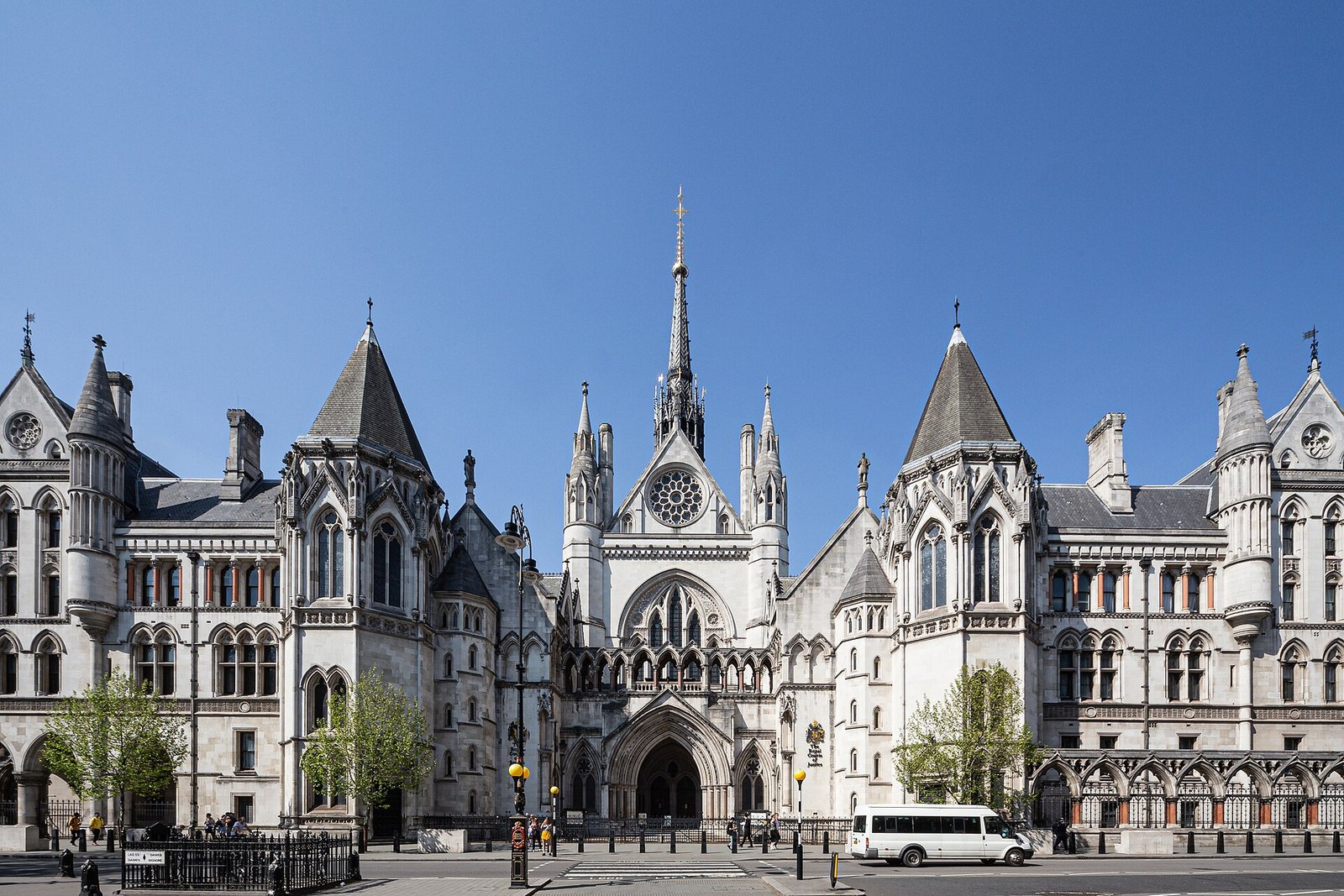
In London, most cases are heard in the Insolvency and Companies List of the Chancery Division, part of the Business and Property Courts at the Rolls Building. Insolvency and Companies Court Judges hear most petitions and many office-holder claims; larger or more complex trials go to High Court judges. Smaller matters can be dealt with in County Court hearing centres with insolvency jurisdiction.
Office-holders are licensed insolvency practitioners. The Insolvency Service, an executive agency, acts as Official Receiver in compulsory liquidations and bankruptcies, investigates director conduct and brings disqualification proceedings on behalf of the Secretary of State.
The claims office-holders bring
Insolvency litigation solicitors London office-holders and defendants instruct spend most of their time on a small set of statutory claims. Each has its own elements, and several apply only in liquidation or administration.
| Claim | Section | What must be shown | Who is exposed |
|---|---|---|---|
| Misfeasance | s212 | Breach of duty or misapplication of company money or property | Directors, officers, office-holders and others involved in management |
| Fraudulent trading | s213 | Business carried on with intent to defraud creditors or for any fraudulent purpose | Anyone knowingly party to the carrying on of the business |
| Wrongful trading | s214 (liquidation), s246ZB (administration) | Director knew or ought to have concluded there was no reasonable prospect of avoiding insolvent liquidation or administration, and did not take every step to minimise creditor loss | Directors, including de facto and shadow directors |
| Transaction at an undervalue | s238 | Gift or transaction for significantly less than value, within the relevant time, while the company was unable to pay its debts (presumed for connected persons) | Recipients of the asset or value |
| Preference | s239 | Company put a creditor or guarantor in a better position, influenced by a desire to prefer, within the relevant time | Preferred creditors, often connected parties |
| Transaction defrauding creditors | s423 | Transaction at an undervalue entered into for the purpose of putting assets beyond the reach of creditors | Recipients; available to victims as well as office-holders, with no fixed look-back period in the section |
| Void dispositions | s127 | Disposition of company property after presentation of a winding-up petition, where a winding-up order follows, unless validated | Recipients, including banks and trade creditors |
Under section 240, the "relevant time" for an undervalue or a preference to a connected person is the two years before the onset of insolvency; for a preference to an unconnected person it is six months. Office-holders also have investigative tools: section 236 allows the court to order people to provide information or attend a private examination about the company's dealings, which often comes before any claim is issued.
Since the Supreme Court's decision in BTI 2014 LLC v Sequana SA [2022] UKSC 25, misfeasance claims frequently allege breach of the duty to consider creditors' interests once insolvency is imminent or an insolvent process is probable. Our guide to wrongful trading and director liability explains how that duty sits alongside section 214.
How insolvency litigation solicitors London clients approach the key decisions
The right strategy depends on which side of the dispute you are on. Insolvency litigation solicitors London clients consult are usually answering one of three questions: how do I get paid, how do I protect myself, or how do I recover value for the estate?
Creditors: petition, claim or both?
A winding-up or bankruptcy petition is a collective remedy, not a debt collection tool. It is appropriate where the debt is undisputed and the debtor simply will not pay. Where there is a genuine dispute on substantial grounds, the court will usually restrain or dismiss the petition and may order the petitioner to pay costs. In that situation, an ordinary claim through debt recovery proceedings, followed by enforcement, is the safer route.
Directors: respond early and preserve the record
Directors facing a liquidator's letter of claim should not assume that insurance will respond or that the claim will go away. The first steps are to notify any D&O insurer, secure board minutes, management accounts and cash-flow forecasts from the relevant period, and identify the advice the board took. Contemporaneous evidence of a reasoned decision to keep trading is the best defence to a wrongful trading claim. Our page on insolvency advice for directors covers the steps to take before an insolvency event.
Office-holders: fund, sell or settle
Liquidators and administrators rarely have free cash to fund litigation. They can fund claims from realisations, seek creditor funding, use conditional fee agreements and after-the-event insurance, or assign the claim. Section 246ZD allows liquidators and administrators to assign causes of action including fraudulent trading, wrongful trading, transactions at an undervalue and preferences to a third party, often a specialist funder. The choice affects control, costs risk and the net return to creditors.
Winding-up petitions and statutory demands
Under section 123 of the Insolvency Act 1986, a company is deemed unable to pay its debts if a creditor owed more than £750 serves a statutory demand at its registered office and the company does not pay, secure or compound the debt within three weeks. Inability to pay can also be proved in other ways, such as an unsatisfied execution or evidence that the company cannot pay its debts as they fall due. For individuals, a bankruptcy petition requires a debt of at least £5,000. GOV.UK has a plain-English guide to statutory demands.
Once a winding-up petition is presented, section 127 makes later dispositions of company property void if a winding-up order is made, unless the court validates them. Once a petition is advertised, banks commonly freeze accounts, and suppliers and customers may react. That is why the threat of a petition is powerful, and why a company with a genuine defence must act quickly to restrain advertisement or presentation by injunction.
If your company receives a statutory demand or a threatened petition for a debt it genuinely disputes, write immediately setting out the dispute and its basis, and ask for an undertaking not to present a petition. If no undertaking is given, an urgent application to restrain the petition may be needed. Do not let the three-week period run out quietly.
Our guide to winding-up petitions explains how to use and defend them, and when a validation order can keep a solvent but disputed business trading.
How an insolvency claim proceeds
Office-holder claims are usually brought by application within the insolvency proceedings, not by a separate claim form, although some are issued as ordinary Part 7 claims. The broad sequence below applies to most contested matters.
- Investigation. The office-holder reviews books and records, bank statements and director questionnaires, and may seek information under section 236 from directors, advisers or banks.
- Letter of claim. A detailed letter sets out the alleged breaches and losses. Recipients should take advice, notify insurers and respond within the time given, even if only to seek more time and documents.
- Funding and strategy. The office-holder decides whether to fund, assign or settle. Defendants assess exposure, contribution claims against co-directors and the value of an early offer, including a Part 36 or Calderbank offer.
- Issue. The claim is issued in the Insolvency and Companies List, often by insolvency application with witness evidence, or as a Part 7 claim where facts are heavily disputed.
- Directions and disclosure. The court sets a timetable for disclosure, witness statements and, frequently, expert accounting evidence on solvency dates and loss.
- Mediation or settlement. Many claims settle after disclosure or expert reports, often by staged payments secured on assets.
- Trial and enforcement. If the claim proceeds, the court decides liability and quantum. A successful office-holder then enforces like any judgment creditor, sometimes alongside a bankruptcy petition against the director.
Documents and evidence to assemble
Insolvency claims are won and lost on the record of what the directors knew and when, and the first request insolvency litigation solicitors London parties instruct will make is for the documents. Whether you are bringing or defending a claim, gather:
- Statutory books, board minutes and written resolutions for the period from the first signs of distress to the insolvency event.
- Management accounts, cash-flow forecasts, aged creditor lists and HMRC correspondence, including time-to-pay arrangements.
- Bank statements and payment records showing who was paid, when and why, particularly payments to directors, connected companies and lenders with personal guarantees.
- Professional advice received by the board, including from accountants, restructuring advisers and lawyers, and whether privilege can be maintained.
- Transaction documents for any sale of assets or business, including valuations and evidence of marketing.
- D&O insurance policies, notifications and correspondence with insurers.
- Emails and messaging that record board discussions, including on personal devices and apps.
Directors should not delete or tidy up records after an insolvency event. Missing records attract adverse inferences and can support a disqualification case.
Risks and common mistakes
Using a petition to collect a disputed debt
A petition based on a debt that is disputed on genuine and substantial grounds is an abuse of process. The court will restrain or dismiss it, and the petitioner may be ordered to pay the company's costs, sometimes on the indemnity basis. If the petition has been advertised, the company may also claim damages for losses caused. Insolvency litigation solicitors London creditors instruct will test the debt before advising on a petition; where there is a real dispute, a claim for judgment followed by enforcement is slower but safer.
Paying connected creditors as the company fails
Repaying a director's loan, a connected company or a lender holding a director's personal guarantee shortly before insolvency invites a preference claim. For connected parties, the court presumes the company was influenced by a desire to prefer, so the burden shifts to the recipient. Directors who make such payments may face a misfeasance claim as well. Before paying any connected creditor while under pressure, take advice and record a proper commercial justification.
Assuming D&O insurance will cover the claim
Policies often contain insolvency exclusions, conduct exclusions or limits that are shared between several directors and defence costs. Late notification can jeopardise cover. Directors should read the policy as soon as distress appears, notify circumstances promptly, and avoid admissions without insurer consent. Where cover is uncertain, directors should take separate advice on contribution between co-directors and on whether their interests conflict with the company's.
Selling the business to a connected buyer without evidence of value
A pre-pack or informal sale of the business to a new company owned by the same directors attracts scrutiny from creditors and office-holders. If the price was low, the sale may be attacked as a transaction at an undervalue. Re-using the company's name can also breach the prohibited name restrictions in section 216 unless an exception applies. Independent valuation, proper marketing and full documentation are the best protection.
Ignoring disqualification and compensation exposure
The Insolvency Service reviews director conduct in every compulsory liquidation and many other insolvencies. A disqualification order under section 6 of the Company Directors Disqualification Act 1986 lasts between two and fifteen years, and section 15A allows the court to make compensation orders in favour of creditors. Directors should treat Insolvency Service questionnaires as seriously as a civil claim and consider whether an undertaking is preferable to contested proceedings.
Cross-border insolvency disputes
Many London insolvencies have assets, directors or creditors abroad. Since the UK left the EU, the EU Insolvency Regulation no longer gives automatic recognition between the UK and EU member states. Recognition of foreign proceedings in Great Britain now depends mainly on the Cross-Border Insolvency Regulations 2006, which implement the UNCITRAL Model Law, on section 426 assistance for designated countries, and on the common law.
An English liquidator's claim is only as good as the ability to reach the defendant's assets, which are increasingly held outside the UK.
Bangladesh. Where a UK company's directors or assets are in Bangladesh, recognition of an English liquidator's authority, and enforcement of any judgment, depend on Bangladeshi law and procedure. Recognition cannot be assumed, so we work with TRW & Co's Dhaka team from the outset on service, evidence gathering and enforcement. See our UK–Bangladesh disputes page.
The EU, the Gulf, Singapore and China. Recognition in EU states now depends on each state's domestic rules. Singapore has adopted the Model Law. Recognition in the UAE and mainland China follows local procedure and may require parallel local proceedings. English law also has its own rule that a debt governed by English law is not discharged by a foreign insolvency process unless the creditor submits to it, which matters in cross-border restructurings.
For insolvency litigation solicitors London office-holders instruct, the cross-border question is often decisive. Where foreign law governs a transaction or a defendant's assets are abroad, early local advice on recognition, freezing relief and limitation periods is essential. Interim relief to protect assets is covered on our injunctions and freezing orders page.
How TRW & Co helps
TRW & Co's London office is authorised and regulated by the Solicitors Regulation Authority. Our insolvency litigation solicitors London team advises creditors, directors, office-holders and funders, and conducts proceedings in the Insolvency and Companies List. Where advocacy in the higher courts is required, we instruct specialist counsel.
Petitions and injunctions
We advise creditors on whether a debt supports a petition, and act for companies seeking to restrain petitions on disputed debts. We also apply for validation orders so trading can continue while a petition is resolved.
Office-holder claims
We investigate and bring misfeasance, wrongful trading, preference and undervalue claims for liquidators and administrators. We assess funding, assignment and insurance options before costs are committed.
Director defence
We act for directors facing liquidator claims and Insolvency Service investigations. We review the board record, manage insurer notifications and pursue contribution from co-directors where appropriate.
Challenges to insolvency processes
We advise stakeholders on challenging an administrator's conduct, a CVA or a restructuring plan, and on defending such challenges. We focus on the evidence the court needs to decide fairness and value.
Asset tracing and recovery
Where money has been moved out of a failing company, we work with our civil fraud and asset recovery team to trace and freeze it, using section 236 and court disclosure orders.
Cross-border coordination
With TRW & Co colleagues in Dhaka, Singapore and Dubai, we coordinate recognition, service and enforcement abroad. We identify early whether local proceedings will be needed.
Explore our other practice areas, or contact us to discuss a petition, a letter of claim or an investigation.
Checklist for decision-makers
- Is the debt clearly due and undisputed? If not, avoid a petition and pursue a claim.
- Has a statutory demand or petition been served? Diarise the deadlines and respond in writing at once.
- Have any payments been made to directors or connected parties in the past two years? Record the commercial reasons now.
- Do board minutes show how directors weighed creditors' interests once insolvency became likely?
- Has every relevant D&O insurer been notified, and are any exclusions engaged?
- Are records, emails and messaging preserved, including on personal devices?
- Are there assets, directors or creditors abroad? Identify the recognition route and local counsel early.
- Has funding been considered: own resources, creditor funding, conditional fees, insurance or assignment?
- Is an early settlement, secured by staged payments, better than a trial for all parties?
The earlier insolvency litigation solicitors London clients consult are involved, the more choices remain open on timing, forum and funding.
Frequently asked questions
01Can I use a winding-up petition to collect an unpaid invoice?
Only if the debt is clearly due and not genuinely disputed. A petition asks the court to wind up the company for the benefit of all creditors, so the court will not allow it to be used to pressure payment of a debt disputed on substantial grounds. If you present a petition on a disputed debt, the court is likely to dismiss it and order you to pay the company's costs, and you may face a damages claim. Where the debt is disputed, issue a claim, obtain judgment and then enforce; a petition can follow if the judgment remains unpaid.
02What should a company do if it receives a statutory demand it disputes?
Act within days, not weeks. Write to the creditor setting out why the debt is disputed, enclosing evidence, and ask for an undertaking not to present a petition. Unlike individuals, companies cannot apply to set aside a statutory demand, so if the creditor refuses, the remedy is an application to court for an injunction restraining presentation of a petition. Insolvency litigation solicitors London companies instruct will prepare the evidence of a genuine and substantial dispute and, where the debt is partly owed, advise on paying the undisputed part.
03Can a liquidator sue me personally as a former director?
Yes. A liquidator can bring misfeasance claims under section 212 for breach of duty, wrongful trading claims under section 214 if you continued trading when insolvent liquidation was unavoidable, and claims to recover preferences and undervalue transactions. The Insolvency Service may separately seek a disqualification order and a compensation order. Liability is personal, so take advice as soon as you receive a letter of claim, notify any D&O insurer and preserve the board's records from the period before the insolvency.
04How far back can a liquidator look at transactions?
For transactions at an undervalue, and for preferences given to connected persons, the relevant period is two years before the onset of insolvency. For preferences to unconnected creditors, it is six months. The company must usually also have been unable to pay its debts at the time, or become so as a result, although this is presumed for undervalue transactions with connected persons. Claims under section 423 for transactions defrauding creditors have no fixed look-back period in the section, though limitation rules still apply.
05Who pays for an office-holder's litigation?
Office-holders often have limited funds. Options include using realisations from the estate, creditor funding, conditional fee agreements with after-the-event insurance, third-party litigation funding, or assigning the claim under section 246ZD to a buyer in return for a payment or a share of recoveries. Each option affects who controls the claim and how much reaches creditors. Defendants should understand how a claim is funded, because it affects settlement dynamics and costs risk.
06Can a creditor challenge a restructuring plan or CVA?
Yes. A creditor can challenge a company voluntary arrangement on grounds of unfair prejudice or material irregularity within a short time limit, and can oppose sanction of a Part 26A restructuring plan at the court hearing, including by challenging the valuation evidence and the fairness of the proposed allocation of value. Challenges are evidence-heavy and time-critical, so creditors should take advice as soon as they receive notice of the proposal.
07Does an English insolvency order work against assets in Bangladesh or the Gulf?
Not automatically. An English liquidator or trustee must usually seek recognition or bring local proceedings in the country where assets are located, and the available route depends on local law. Bangladesh, the UAE and China each have their own procedures, while Singapore has adopted the UNCITRAL Model Law. TRW & Co coordinates with its offices abroad so that recognition, freezing relief and enforcement are planned together rather than in sequence.
Sources and official materials
- Insolvency Act 1986 — Statutory basis for petitions and office-holder claims
- Insolvency (England and Wales) Rules 2016 — Procedure for petitions and insolvency applications
- Company Directors Disqualification Act 1986 — Director disqualification and compensation orders
- BTI 2014 LLC v Sequana SA [2022] UKSC 25 — Supreme Court on the creditor duty
- Work of the Insolvency and Companies List — The court that hears most insolvency claims
- Cross-Border Insolvency Regulations 2006 — UNCITRAL Model Law in Great Britain
- GOV.UK: Statutory demands — Making and challenging statutory demands
General information only, current as at 21 October 2026. It is not legal advice and does not create a solicitor–client relationship. It reflects the law of England and Wales unless stated otherwise; Scotland and Northern Ireland have separate legal systems, and the law changes frequently. Check current official sources and take advice on the facts of your matter.