
TRW & Co · Tax, Private Wealth & Family
Powers of Attorney and Court of Protection Solicitors in London
Court of Protection solicitors in London help families plan for loss of mental capacity and act lawfully when it happens. A lasting power of attorney costs £92 to register; if capacity is lost first, a deputyship application costs £432 in court fees alone, takes months and brings annual supervision by the Office of the Public Guardian.
Key pointCapacity is decision-specific: a person may lack capacity to manage investments yet still be able to make a lasting power of attorney, so a diagnosis of dementia does not automatically mean it is too late to plan.
At a glance
£92 per LPA
Registering a lasting power of attorney with the Office of the Public Guardian costs £92, or £184 for both types, with reductions for some.
8 to 10 weeks
LPA registration typically takes 8 to 10 weeks if there are no mistakes, so register as soon as the document is signed.
£432 deputy application
Applying to be a deputy costs £432 per type, plus a possible £266 hearing fee, £100 assessment fee and annual supervision fees.
Three people notified
Property and affairs deputy applicants must notify the person and at least three connected people, who have 14 days to respond.
England and Wales only
LPAs are binding only in England and Wales; Scotland and Northern Ireland have their own regimes, and foreign assets usually need local documents.
Swipe or scroll →
What Court of Protection solicitors in London do
Court of Protection solicitors in London help families, professionals and individuals plan for a loss of mental capacity and deal with it when it happens. The work runs from making lasting powers of attorney while someone is well, to applying to the Court of Protection for a deputy when no attorney is in place, to resolving disputes about what is in a vulnerable person's best interests.
Capacity questions arise in many settings: a parent with dementia whose bills are going unpaid, an adult child with a learning disability approaching 18, a business owner after a stroke, a person who has received a large personal injury award, or an elderly relative who may be under undue influence. In each case someone needs lawful authority to make decisions, and the law sets out who can have it and how.
The decisions involved are personal and often urgent. Banks freeze accounts when they learn an account holder lacks capacity, care homes need fees paid, and property may need to be sold. Planning ahead with a lasting power of attorney is much quicker and cheaper than an application to court, but where it is too late, Court of Protection solicitors in London can guide the family through the court process.
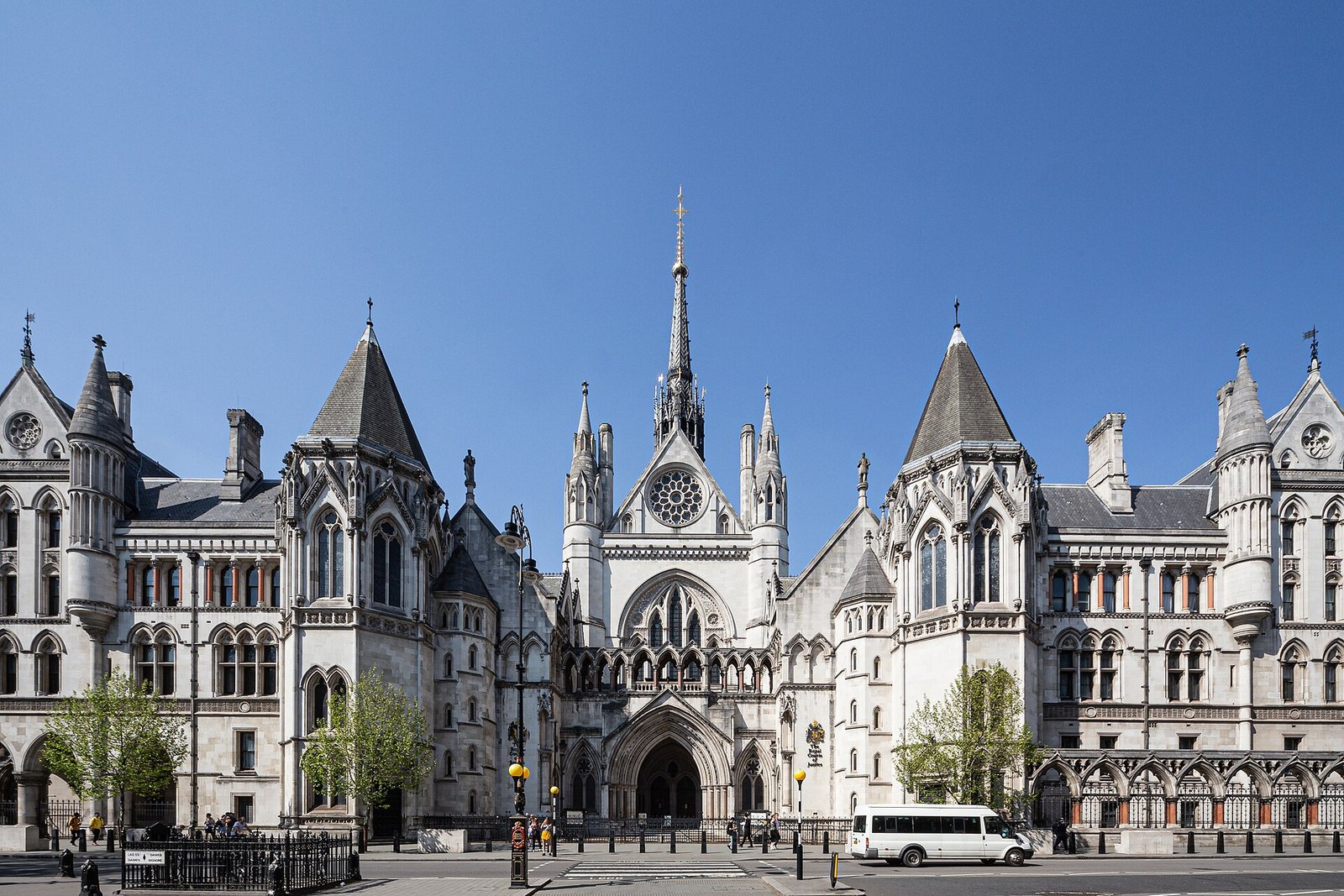
The Mental Capacity Act 2005 and the institutions that apply it
The Mental Capacity Act 2005 is the foundation. Section 1 sets out its principles: a person is assumed to have capacity unless it is established that they lack it; they must not be treated as unable to decide unless all practicable steps to help them have failed; an unwise decision does not mean a lack of capacity; and anything done for a person who lacks capacity must be in their best interests and the least restrictive option available.
Capacity is decision-specific and time-specific. Under sections 2 and 3, a person lacks capacity in relation to a matter if, because of an impairment of or disturbance in the functioning of the mind or brain, they cannot understand, retain, use or weigh the relevant information, or communicate their decision. Section 4 sets out how best interests are determined, including the person's past and present wishes, feelings, beliefs and values. The Act is supported by a statutory Code of Practice.
The Office of the Public Guardian registers lasting and enduring powers of attorney, supervises deputies and investigates concerns about attorneys and deputies. The Court of Protection decides whether a person has capacity, appoints deputies, makes one-off decisions, resolves disputes about powers of attorney, authorises statutory wills and gifts, and decides cases about deprivation of liberty. It sits at First Avenue House, High Holborn, close to TRW & Co's London office, and in regional hubs.
Lasting powers of attorney are binding only in England and Wales. Scotland has its own regime under the Adults with Incapacity (Scotland) Act 2000, with continuing and welfare powers of attorney and guardianship orders, and Northern Ireland has separate arrangements, including enduring powers of attorney and the appointment of controllers.
Lasting power of attorney or deputyship: the key decision
If the person still has capacity to make a lasting power of attorney, that is almost always the better route. If they have already lost capacity, the only option for ongoing decisions is usually an application to the Court of Protection for a deputy. Court of Protection solicitors in London see many families who wish they had made LPAs a few years earlier.
Some situations call for neither. If only state benefits need managing, the Department for Work and Pensions can appoint an appointee. If a single important decision is needed, such as selling a house, the court can make a one-off order instead of appointing a deputy. And small sums held in joint accounts may be manageable without formal authority, although banks increasingly ask for an LPA or court order.
| Issue | Lasting power of attorney | Deputyship |
|---|---|---|
| Who chooses the decision-maker | The donor, while they have capacity | The court, on application |
| Official fees | £92 to register each LPA, with reductions or exemptions for some people | £432 application fee per type of deputyship, possible £266 hearing fee, £100 assessment fee and annual supervision fees |
| Timescale | Registration typically takes 8 to 10 weeks if there are no mistakes | Usually several months, longer if there are objections or a hearing |
| Ongoing supervision | No routine supervision; the OPG investigates concerns | Annual deputy report to the OPG and, for property deputies, often a security bond |
| Scope | Set by the donor, within the Act; welfare LPAs can cover life-sustaining treatment if expressly stated | Set by the court order, which may be narrower; health and welfare deputies are appointed less often |
| Gifts | Limited to customary occasions and reasonable amounts under section 12 | Limited by the order; larger gifts need court approval |
Fees are those published by HMCTS and the OPG and can change, so they should be checked on the deputy fees page and the LPA registration page before applying.
Making lasting powers of attorney that work
There are two types of LPA. A property and financial affairs LPA covers bank accounts, bills, investments, benefits and pensions, and the sale of property; it can be used as soon as it is registered, with the donor's permission. A health and welfare LPA covers daily care, medical treatment and where the donor lives, and can only be used when the donor lacks capacity to make the decision in question. Our guide on how to make a lasting power of attorney explains the forms.
The quality of an LPA lies in the choices it records. Donors decide whether attorneys act jointly or jointly and severally, whether to appoint replacements, what instructions and preferences to include, and who should be told when it is registered. Business owners often need a separate LPA for their business interests, aligned with the company's articles and any shareholders' agreement. Attorneys with investment powers may need express authority to use discretionary investment management.
The certificate provider confirms that the donor understands the LPA and is not under pressure. Where there is any doubt about capacity or influence, a solicitor or doctor acting as certificate provider, with a clear file note, gives the document much better protection against later challenge.
The Powers of Attorney Act 2023 provides for a more digital LPA process with changes to registration, notification and identity checks. legislation.gov.uk still shows the main LPA provisions as prospective, so the current forms and procedure continue to apply until the OPG announces otherwise. Enduring powers of attorney made before LPAs replaced them in October 2007 remain valid but must be registered with the OPG once the donor is losing capacity.
A lasting power of attorney costs a fraction of a deputyship application and lets the person choose who will act for them. The only requirement is to make it in time.
How Court of Protection solicitors in London apply for deputyship
Where there is no valid power of attorney, a relative, friend or professional can apply to be appointed as a property and financial affairs deputy, a personal welfare deputy, or both. The GOV.UK guide to becoming a deputy sets out the forms. The steps are below; our article on Court of Protection deputyship applications goes into more detail.
- Check for existing authority. Search the OPG register for any LPA, EPA or deputy before applying, and consider whether a one-off order or a benefits appointeeship would be enough.
- Obtain capacity evidence. A doctor, psychologist or other qualified practitioner completes the capacity assessment form (COP3), addressing the specific decisions in issue.
- Notify the person and others. The person must be told personally about the application, and at least three people who know them, such as relatives or a social worker, must be notified and given 14 days to respond.
- Prepare the application. Complete the application form (COP1), supporting information (COP1A) and the deputy's declaration (COP4), setting out the person's assets, income and needs.
- File and pay. Submit the application online or by post with the £432 fee within three months of notifying the connected people, or restart notification.
- Court review. The court decides on the papers or lists a hearing if there are objections or complex issues, and sets the deputy's powers and any security bond.
- Appointment and supervision. Once appointed, the deputy pays the assessment fee, puts the bond in place, registers with banks and files annual reports to the OPG.
Statutory wills, gifts, disputes and deprivation of liberty
Beyond deputyship, the Court of Protection can authorise a statutory will for a person who lacks testamentary capacity under section 18 of the Act. Statutory wills are used where an existing will is out of date, where intestacy would produce an unfair result, or where tax planning is needed. The court decides what the person would want, applying the best interests test, and representatives for the person and affected family members are usually involved.
Attorneys and deputies can make only limited gifts. Larger gifts, loans to family members or tax planning such as gifting to use annual exemptions require the court's approval. Applications to approve gifts, sell a home or deal with a jointly owned property often run alongside deputyship.
Disputes over who should act, objections to the registration of an LPA, concerns that an attorney is misusing funds, and disagreements about care or where someone should live can all be decided by the court. Some cases concern the deprivation of a person's liberty in a care home or hospital; challenges to standard authorisations under the Deprivation of Liberty Safeguards can be brought under section 21A of the Act. Where advocacy in the higher courts is required, we instruct specialist counsel.
Court proceedings about a vulnerable person are sensitive. The court often hears from the person themselves, through a litigation friend or an accredited legal representative, and the Official Solicitor may be invited to act for them where no one else is suitable. Court of Protection solicitors in London should explain to families at the outset who will be a party, how costs are usually dealt with and how long a contested case is likely to take.
Documents and evidence to assemble
Capacity evidence
A recent, decision-specific capacity assessment, medical records and care plans. Generic diagnoses are not enough; the court wants evidence about the particular decisions.
Financial picture
Bank statements, investments, pensions, benefits, property details and debts. Property deputies need this to complete the application and set the security bond.
Existing documents
Any will, LPA, EPA, advance decision or letter of wishes, and the OPG register search result. These show what the person wanted.
Family and care contacts
Names and addresses of close relatives, carers and professionals to be notified, and any known objections or disputes.
Risks and common mistakes
Leaving LPAs too late
Many families only think about LPAs when a diagnosis is made. By then the person may still have capacity, but the certificate provider has to be satisfied that they understand the document, and later challenges become more likely. If capacity is lost before the LPA is signed, the family must apply for deputyship instead, which costs more, takes longer and brings annual supervision. LPAs should be made as part of routine planning, ideally at the same time as a will. Our wills and estate planning team prepares them together.
Attorneys mixing their money with the donor's
Attorneys and deputies must keep the person's money separate from their own, keep accounts and receipts, and act in the person's best interests. Paying themselves for their time without authority, making gifts beyond the limits in section 12 or using the person's funds to buy assets in their own name can amount to a breach of duty. The OPG can investigate and apply to the court to revoke an LPA or discharge a deputy, and the attorney may have to repay. Clear records and advice before any unusual transaction are the safeguard.
Applying with weak capacity evidence
The court will not appoint a deputy unless it is satisfied the person lacks capacity for the decisions in question. A COP3 that does not explain which information the person cannot understand, retain or weigh, or that is based on an old assessment, can lead to requests for further evidence and delay. Where the person's capacity fluctuates or they object to the application, the court may need fuller evidence and may list a hearing. Choosing the right assessor and explaining the decisions needed avoids repeat work.
Overlooking the person's own wishes
Best interests decisions must take account of the person's past and present wishes and feelings, beliefs and values, and the views of carers and family. Applications that treat the person as having no voice, or that seek wider powers than needed, are more likely to be challenged. The court must consider whether the purpose can be achieved in a way that is less restrictive of the person's rights. Recording what the person has said, and involving them as far as possible, strengthens any application and respects the principles of the Act.
Register an LPA as soon as it is signed rather than waiting until it is needed. Registration typically takes 8 to 10 weeks, and an error found at that stage can only be fixed while the donor still has capacity. An unregistered LPA cannot be used, so leaving registration until a crisis can mean weeks without anyone able to act.
Cross-border capacity issues: Bangladesh, the Gulf and beyond
An English LPA or deputyship order may not be recognised automatically abroad. Banks and land registries in other countries often require a local power of attorney, notarisation, legalisation or an order from a local court. Families with assets in more than one country frequently need parallel documents.
For British Bangladeshi families, property and bank accounts in Bangladesh are usually managed using a power of attorney executed for use in Bangladesh, which must meet Bangladeshi formalities, including attestation and registration requirements. Our guide to executing a power of attorney for Bangladesh from the UK explains the process, and TRW & Co's Dhaka office handles the Bangladeshi steps. Such a power of attorney generally ends if the donor loses capacity, so it should be made while capacity is clear.
In the United Arab Emirates, Singapore and the EU, local rules on powers of attorney and incapacity differ widely, and some do not recognise an attorney's authority once the donor lacks capacity. Where a person who lacks capacity lives abroad or has foreign assets, Court of Protection solicitors in London can advise on the English position and coordinate with local lawyers through our international private client team.
How TRW & Co helps as Court of Protection solicitors in London
TRW & Co's London office is authorised and regulated by the Solicitors Regulation Authority. As Court of Protection solicitors in London, we advise at every stage, from planning documents made while a client is well to contested hearings when family members disagree. We aim to keep matters out of court where a power of attorney or agreement can achieve the same result.
Lasting powers of attorney
Property and financial affairs and health and welfare LPAs, business LPAs, registration with the OPG and advice for attorneys on their duties.
Deputyship applications
Property and affairs and personal welfare deputyship, including urgent interim applications, capacity evidence and support after appointment.
Statutory wills and gifts
Applications for statutory wills, gifts, sales of property and tax planning on behalf of people who lack capacity, coordinated with our private client team.
Contested matters
Objections to LPAs, removal of attorneys and deputies, best interests disputes and related contentious probate claims after death.
We act for individuals, families, attorneys and deputies. We explain the options, costs and likely timescales at the outset, and we do not promise any particular outcome from the court.
Checklist for families and attorneys
- Make both types of LPA while capacity is clear, and register them promptly.
- Choose attorneys who are trustworthy, organised and willing to act together.
- Consider a separate LPA for business interests.
- Keep a copy of the registered LPA where attorneys can find it.
- If capacity is lost without an LPA, search the OPG register before applying for deputyship.
- Obtain a decision-specific capacity assessment for any court application.
- Keep the person's money separate and accounts up to date.
- Seek court approval before significant gifts or unusual transactions.
- Review wills and statutory will options where an existing will is out of date.
- For assets abroad, prepare local powers of attorney while capacity remains.
To discuss lasting powers of attorney or a Court of Protection application, contact TRW & Co at Holborn Gate, 330 High Holborn, London WC1V 7QH, or by email at info@trw.co. Our wider services are listed on our practices page.
Frequently asked questions
01What is the difference between a lasting power of attorney and a deputyship?
A lasting power of attorney is made by a person while they have capacity, choosing who will make decisions for them later. A deputyship is an appointment by the Court of Protection when someone has already lost capacity and has no valid power of attorney. LPAs are cheaper, quicker and reflect the person's own choice. Deputies are chosen by the court, have powers set by the court order and are supervised by the Office of the Public Guardian, including through annual reports.
02How much does it cost to apply to the Court of Protection for deputyship?
The court application fee is £432 for each type of deputyship. If the court decides a hearing is needed, a further £266 hearing fee is payable. Once appointed, a new deputy pays a £100 assessment fee and an annual supervision fee of £320 for general supervision, or £35 for minimal supervision in some smaller cases. A security bond may also be required. Fee reductions and exemptions are available in some cases, and fees should be checked on GOV.UK before applying.
03Can someone with dementia still make a lasting power of attorney?
Often, yes. Capacity is decision-specific, and the question is whether the person can understand, retain and weigh the information relevant to making the LPA at the time they sign it. Many people in the early stages of dementia can do so. Where there is doubt, using a solicitor or doctor as certificate provider, and recording the assessment carefully, makes the LPA much harder to challenge later. If the person cannot make an LPA, deputyship is the alternative.
04How long does it take to become a deputy?
There is no fixed timescale. Gathering capacity evidence and notifying the person and at least three connected people usually takes several weeks, and those notified have 14 days to respond. After the application is filed, the court reviews it on the papers, which commonly takes several months, and longer if there are objections or a hearing is needed. Urgent interim orders are possible where a decision cannot wait, for example to pay care fees or complete a property sale.
05What can an attorney or deputy give away as gifts?
Attorneys under a property and financial affairs LPA can make gifts only on customary occasions, such as birthdays, weddings and religious festivals, to people related to or connected with the donor, or to charities the donor supported, and only if the value is reasonable given the donor's estate. Deputies are limited by the court order. Larger gifts, including inheritance tax planning, require an application to the Court of Protection.
06What is a statutory will?
A statutory will is a will made on behalf of a person who lacks testamentary capacity, authorised by the Court of Protection under section 18 of the Mental Capacity Act 2005. It may be needed where the person's existing will is outdated, where intestacy would produce an unfair result, or where tax planning is appropriate. The court decides what is in the person's best interests, taking account of their wishes and values, and usually hears from family members who may be affected.
07Will my English LPA work for property in Bangladesh?
Usually not on its own. Banks and land offices in Bangladesh generally require a power of attorney prepared for use there, meeting Bangladeshi formalities, including attestation and registration requirements. Such a power usually ends if the donor loses capacity, so it should be made while capacity is clear. TRW & Co's London and Dhaka offices work together to prepare and complete these documents.
Sources and official materials
- Mental Capacity Act 2005 — Capacity, best interests, LPAs and the Court of Protection
- Make, register or end a lasting power of attorney — Types of LPA and how they work
- Register a lasting power of attorney — Fees and registration timescales
- Deputies: make decisions for someone who lacks capacity — How to apply for deputyship
- Deputyship fees — Application, hearing and supervision fees
- Court of Protection — What the court does and where it sits
- Mental Capacity Act Code of Practice — Statutory guidance on applying the Act
General information only, current as at 21 October 2026. It is not legal advice and does not create a solicitor–client relationship. It reflects the law of England and Wales unless stated otherwise; Scotland and Northern Ireland have separate legal systems, and the law changes frequently. Check current official sources and take advice on the facts of your matter.