
TRW & Co · Wills, probate and private wealth
Contesting a Will: Grounds and Time Limits
Contesting a will in England and Wales usually means proving it is invalid, because of a lack of capacity, undue influence, want of knowledge and approval, fraud or defective signing, or claiming financial provision under the 1975 Act. Validity challenges have no fixed deadline, but 1975 Act and rectification claims must normally be issued within six months of the grant.
Key pointA caveat buys time before probate is granted, but the six-month deadline for a 1975 Act claim keeps running from the grant, so claimants pursuing a validity challenge should protect the alternative claim at the same time.
At a glance
Five validity grounds
Invalid execution, lack of capacity, want of knowledge and approval, undue influence and fraud can each make a will invalid in whole or part.
Six-month deadlines
1975 Act claims and rectification claims must normally be issued within six months of the first grant unless the court gives permission.
Caveats last six months
A caveat blocks a grant of probate for six months and can be extended, giving time to obtain records and advice.
Costs usually follow
The loser generally pays, with limited exceptions where the testator or beneficiaries caused the dispute or an investigation was justified.
Reform recommended
The Law Commission's May 2025 report proposes new rules on capacity, undue influence and electronic wills, but they are not yet law.
Swipe or scroll →
The short answer: when is contesting a will possible?
Contesting a will in England and Wales means asking the court either to declare the will invalid or to change its effect. A will can be set aside if it was not properly signed and witnessed, if the person lacked mental capacity, if they did not know and approve its contents, or if it was procured by undue influence or fraud. Separately, certain family members and dependants can claim reasonable financial provision even from a valid will.
The deadlines differ sharply. A claim under the Inheritance (Provision for Family and Dependants) Act 1975, or for rectification of a clerical error, must normally be issued within six months of the grant of probate. A challenge to validity has no fixed statutory deadline, but delay makes it harder to win and harder to recover assets once they have been distributed.
The practical first move is often a caveat, which stops a grant of probate being issued while you investigate. This guide explains each ground, the evidence that matters, the procedure, the costs risk and the reforms recommended by the Law Commission, as of October 2026.
The legal framework
The formal requirements for a valid will are in section 9 of the Wills Act 1837. The will must be in writing and signed by the testator, or by someone in their presence and at their direction. The signature must be made or acknowledged in the presence of two witnesses present at the same time, and each witness must sign or acknowledge their signature in the testator's presence. For wills made between 31 January 2020 and 31 January 2024, "presence" included video-witnessing.
Capacity, knowledge and approval, and undue influence are governed largely by case law developed by the courts over more than 150 years. The classic test of testamentary capacity comes from Banks v Goodfellow, decided in 1870, which asks whether the testator understood the nature of making a will, the extent of their property and the claims of those they ought to consider, with no disorder of the mind poisoning their judgement.
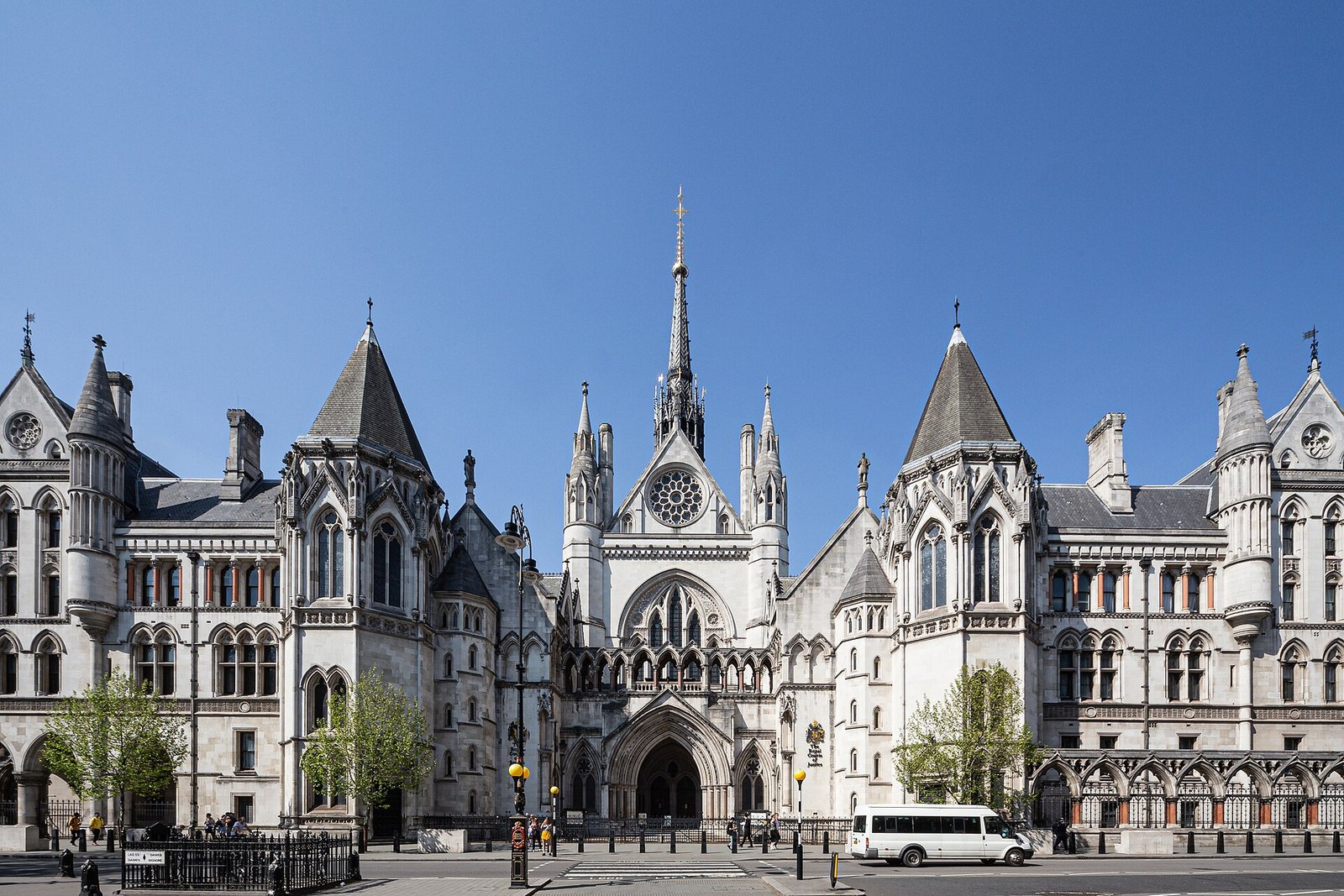
Probate claims follow a dedicated procedure in the Civil Procedure Rules and are normally brought in the Chancery Division of the High Court, part of the Business and Property Courts. The Inheritance (Provision for Family and Dependants) Act 1975 sits alongside these rules but works differently: it does not attack the will, it asks the court to redistribute the estate.
Reform on the horizon
On 16 May 2025 the Law Commission published its final report, Modernising Wills Law, with a draft Bill to replace the Wills Act 1837. It recommends a court power to dispense with formalities, valid electronic wills, a clarified test for capacity, an easier route to infer undue influence, and abolishing the rule that marriage revokes a will. As of October 2026 these remain recommendations: the current law still governs every claim.
The grounds for contesting a will
Each ground has a different burden of proof and calls for different evidence. The table summarises the main options.
| Ground | What must be shown | Key evidence | Time limit |
|---|---|---|---|
| Invalid execution | The will does not meet section 9 of the Wills Act 1837 | Witness statements, the original will, attendance notes | No fixed limit, but act promptly |
| Lack of testamentary capacity | The testator failed the Banks v Goodfellow test when the will was made | Medical records, GP and care notes, will-writer's file | No fixed limit, but act promptly |
| Want of knowledge and approval | The testator did not know and approve the contents, often where a beneficiary prepared the will | Drafting history, who gave instructions, whether the will was read over | No fixed limit, but act promptly |
| Undue influence | Coercion overpowered the testator's own wishes, not mere persuasion | Pattern of control, isolation, dependency, timing of changes | No fixed limit, but act promptly |
| Fraud or forgery | The will is forged, or false statements about others induced its terms | Handwriting experts, documentary trail | No fixed limit, but act promptly |
| Rectification | A clerical error or failure to understand instructions | Instructions, drafts, the drafter's evidence | Six months from the grant without permission |
| 1975 Act claim | The will or intestacy fails to make reasonable financial provision | Applicant's needs and resources, relationship, estate size | Six months from the grant without permission |
Capacity
A capacity challenge is strongest when there is contemporaneous medical evidence, such as a dementia diagnosis close to the will's date, and the will departed sharply from earlier wills. Experienced will-drafters follow the so-called golden rule, obtaining a medical opinion when an elderly or ill testator makes a will. A file showing that this was done is often the strongest answer to a capacity claim.
Knowledge and approval
Where the circumstances surrounding a will "excite the suspicion" of the court, for example where the main beneficiary arranged the will, chose the drafter or attended the meeting, the person propounding the will must positively prove the testator knew and approved its contents. This ground is often pleaded alongside capacity and can succeed where neither capacity nor undue influence can be proved on its own.
Undue influence
In probate, undue influence means coercion. There is no presumption: the claimant must prove it, and the court must be satisfied that influence was actually exercised and that it is the only plausible explanation for the will. Because it usually happens behind closed doors, these claims are hard to win, which is exactly why the Law Commission recommends allowing the court to infer undue influence where there are reasonable grounds to suspect it.
Who can bring a validity challenge?
Only someone with an interest in the outcome can challenge validity. That usually means a beneficiary under an earlier will, or a person who would inherit under the intestacy rules if no valid will existed. If the earlier will would leave you in the same position, contesting a will may achieve nothing, however strong the evidence.
Before contesting a will, therefore, establish what happens if you succeed. Locate earlier wills, check whether they were revoked by marriage, and work out what the intestacy rules would produce. The answer shapes both your standing and the commercial value of the claim.
Write to the drafting solicitor or will-writer as soon as concerns arise. Their attendance notes, any capacity assessment and the record of who attended the meetings are often the single most important evidence in the case, and files are not kept forever.
The process for contesting a will, step by step
- Enter a caveat. A caveat prevents a grant of probate being issued. Under rule 44 of the Non-Contentious Probate Rules 1987 it lasts six months and can be extended for further six-month periods. GOV.UK explains how to enter a caveat. Use it to buy time, not as a tactic for its own sake: a caveat can be warned off, and costs can follow.
- Obtain the will file and medical records. Ask the drafting solicitor for their file and a statement about how the will was prepared, often called a Larke v Nugus request. Request GP, hospital and care home records.
- Take early specialist advice. A retrospective capacity opinion from a suitably qualified expert may be needed. Assess the merits and the size of the estate against likely costs.
- Send a letter of claim. Set out the grounds and evidence and invite the executors to respond. Under the pre-action expectations of the courts, parties should exchange key documents and consider settlement before issuing.
- Consider mediation. Most disputes settle. Mediation allows options a court cannot order, such as dividing particular assets or making phased payments.
- Issue a probate claim. If settlement fails, the claim is issued in the High Court. Every party must lodge any testamentary document they hold and file a statement about their knowledge of such documents.
- Disclosure, evidence and trial. Witness statements and expert reports follow. Contested trials involve live evidence from the witnesses to the will and the drafter, and specialist counsel is instructed for advocacy.
An illustrative scenario
This example is illustrative only and does not describe a real client. A mother with three children made a will in 2015 leaving her estate equally. In 2024, eight months before she died with diagnosed dementia, she signed a homemade will leaving everything to the son who lived with her. The witnesses were his neighbours.
The two daughters enter a caveat within days of the death. Their solicitors obtain the GP records, which record cognitive decline in the months before the 2024 will, and statements from the witnesses. The evidence supports capacity and knowledge and approval challenges; undue influence is harder to prove and is held in reserve.
At mediation, the son accepts that the 2024 will would be difficult to uphold. The parties agree that the 2015 will takes effect, with an adjustment recognising care the son provided. A daughter's alternative 1975 Act claim never needs to be issued, but her advisers had diarised the six-month deadline from the outset.
Risks and common mistakes when contesting a will
Underestimating the costs risk
The general rule is that the loser pays the winner's costs, as in other civil litigation. There are exceptions where the testator or the main beneficiaries caused the litigation, or where the circumstances reasonably justified an investigation, but they are applied narrowly. A party can also ask only that the will be proved in solemn form and cross-examine the witnesses, which can limit their costs exposure. Before contesting a will, compare the realistic recovery with the costs of a trial, and consider after-the-event insurance or other funding.
Waiting too long
Validity challenges have no fixed deadline, but delay causes real harm. Witnesses forget, records are destroyed, and assets are distributed and spent. A claim against the estate to recover a share is generally subject to the twelve-year limit in section 22 of the Limitation Act 1980, but in practice courts expect prompt action. The six-month deadlines for 1975 Act and rectification claims are strict, and permission to bring a late claim is not automatic. Our guide to limitation periods explains how time runs.
Pleading undue influence without evidence
Allegations of undue influence amount to accusing someone of serious wrongdoing. Courts expect them to be supported by evidence, and an unsuccessful allegation can lead to indemnity costs. A suspicion that a carer or relative "must have" pressured the testator is rarely enough. It is usually better to lead with capacity and knowledge and approval, which shift the burden to the person relying on the will once the claimant raises a real doubt.
Forgetting the alternative 1975 Act claim
Even if the will is valid, a spouse, child, cohabitant of two years, person treated as a child of the family or dependant may be able to claim reasonable financial provision. Because the six-month deadline runs from the grant, it can expire while a validity challenge is still being investigated. Many claimants issue a protective 1975 Act claim or agree a standstill with the executors. See our guide to Inheritance Act claims.
Executors and beneficiaries defending a claim
Executors have a duty to propound the will they believe to be valid, but they should remain neutral between beneficiaries where the dispute is really about who inherits. An executor who takes sides aggressively risks losing their entitlement to costs from the estate. Our guide to executor duties explains how to manage this.
A beneficiary defending a will should secure the drafter's file, the witnesses' contact details and any medical evidence as soon as a dispute is threatened. Early, candid disclosure often ends weak claims quickly and positions the defending party well on costs.
Cross-border estates
Where the testator owned property abroad, contesting a will in England may not resolve the whole estate. Formal validity may be judged by several laws, and land is generally governed by the law of the country where it is situated. A will that fails in England may still be relied on, or a separate will may operate, elsewhere.
British Bangladeshi families often hold land in Bangladesh, where succession to immovable property is decided locally and, for Muslims, follows Islamic inheritance shares. A dispute can therefore run on two tracks, with parallel proceedings in Dhaka. Our guide to a UK will with Bangladesh assets explains how careful drafting avoids many of these conflicts.
What to do next
- Do not wait for the grant: consider a caveat if you have genuine concerns.
- Request the will file, earlier wills and medical records.
- Diarise six months from the grant for any 1975 Act or rectification claim.
- Assess the costs risk honestly and explore funding and mediation.
- Avoid allegations of undue influence or fraud unless the evidence supports them.
- Prevent future disputes by making a professionally drafted will: see our guide on how to make a will.
TRW & Co's London office acts for claimants, executors and beneficiaries in probate disputes through our contentious probate team, and coordinates with our Dhaka colleagues where assets are in Bangladesh. Where advocacy in the higher courts is required, we instruct specialist counsel. If you are considering contesting a will, or defending one, contact us: email info@trw.co, call +880 1779 127165, or visit Holborn Gate, 330 High Holborn, London WC1V 7QH.
Frequently asked questions
01What are the grounds for contesting a will?
A will can be challenged on the grounds that it was not validly executed under section 9 of the Wills Act 1837, that the testator lacked testamentary capacity, that they did not know and approve its contents, that it was procured by undue influence, or that it was forged or obtained by fraud. A will can also be rectified for clerical errors. Separately, certain people can claim reasonable financial provision from a valid will under the Inheritance (Provision for Family and Dependants) Act 1975.
02Is there a time limit for contesting a will?
It depends on the claim. A 1975 Act claim and a rectification claim must normally be issued within six months of the first grant of representation, unless the court gives permission. Challenges to validity on grounds such as capacity or undue influence have no fixed statutory deadline, but delay weakens the evidence and makes it harder to recover assets already distributed. A claim to a share of an estate is generally subject to a twelve-year limitation period.
03How do I stop probate while I contest a will?
You can enter a caveat at the Probate Registry, online or by post. It prevents a grant of probate being issued for six months and can be extended for further six-month periods. The person applying for probate can issue a warning to the caveat, after which you must enter an appearance setting out your interest or the caveat will be removed. A caveat should be used where there are genuine concerns, because it can lead to litigation and costs.
04Who pays the legal costs when contesting a will?
The general rule is that the unsuccessful party pays the successful party's costs. The court may depart from this where the testator or the beneficiaries caused the litigation, or where the circumstances reasonably justified an investigation into the will, but these exceptions are applied narrowly. Executors who act properly are usually entitled to their costs from the estate. Many disputes settle at mediation, often with each side bearing its own costs.
05How hard is it to prove undue influence?
It is difficult. In probate, undue influence means coercion that overpowered the testator's own wishes, and the person alleging it must prove it. Persuasion, appeals to affection or the testator's dependence on someone are not enough on their own. The court must be satisfied that undue influence is the only plausible explanation for the will. The Law Commission has recommended that courts should be able to infer undue influence where there are reasonable grounds to suspect it, but that change is not yet law.
06Can I contest a will if I was left out entirely?
Being left out does not by itself make a will invalid, because people in England and Wales are generally free to leave their estate to whomever they choose. You may, however, have a 1975 Act claim if you are a spouse, former spouse who has not remarried, child, person treated as a child of the family, cohabitant of two years or a dependant. If you suspect the will itself is flawed, you may also have a validity challenge.
Sources and official materials
- Wills Act 1837, section 9 — Formal requirements for signing and witnessing a will
- Administration of Justice Act 1982, section 20 — Rectification of wills and the six-month limit
- Non-Contentious Probate Rules 1987, rule 44 — Entry, duration and extension of caveats
- GOV.UK: Challenge someone else's probate application — How to enter a caveat
- Limitation Act 1980, section 22 — Time limits for claims to a deceased's estate
- Law Commission: Modernising Wills Law — May 2025 final report and draft Bill on reform of wills law
General information only, current as at 21 October 2026. It is not legal advice and does not create a solicitor–client relationship. It reflects the law of England and Wales unless stated otherwise; Scotland and Northern Ireland have separate legal systems, and the law changes frequently. Check current official sources and take advice on the facts of your matter.