
TRW & Co · Restructuring and insolvency
Creditors' Voluntary Liquidation: The Process for Directors
A creditors voluntary liquidation is how the directors and shareholders of an insolvent company close it down in an orderly way. Shareholders pass a special resolution, creditors choose the liquidator, and a licensed insolvency practitioner sells the assets and investigates the directors. Here is how the process works in England and Wales, and what it means for directors personally.
Key pointThe liquidation itself is quick; the risk lies in the months before it. Payments to connected creditors, guaranteed bank debt and overdrawn loan accounts are what liquidators examine first, and board minutes written at the time are the director's best protection.
At a glance
Special resolution starts it
Shareholders holding at least 75% of the votes cast must pass a special resolution to wind up voluntarily under section 84 of the Insolvency Act 1986.
Creditors choose the liquidator
Directors must seek the creditors' nomination by deemed consent or virtual meeting, no later than 14 days after the winding-up resolution is passed.
Seven-day statement of affairs
Directors must prepare a statement of the company's assets, debts and creditors within 7 days of the resolution, verified by a statement of truth.
Conduct report within months
The liquidator must report on every director from the previous three years to the Secretary of State, normally within three months of the insolvency date.
Guarantees survive liquidation
Liquidation does not release personal guarantees. Lenders and landlords usually make demand on directors who guaranteed company debts soon after the liquidator is appointed.
Swipe or scroll →
The short answer: what a creditors voluntary liquidation is
A creditors voluntary liquidation (CVL) is the formal process by which the directors and shareholders of an insolvent company choose to close it down. The shareholders pass a special resolution to wind up, the creditors decide who the liquidator will be, and a licensed insolvency practitioner then takes control, sells the assets, investigates what went wrong and distributes what is left to creditors before the company is dissolved.
It is "voluntary" because the company starts it, not a creditor through the court. It is a "creditors'" process because the company is insolvent, so the creditors, not the shareholders, have the final say on the choice of liquidator and receive the proceeds.
For directors, a CVL is often the responsible way to stop the clock on losses that are building up. It is also the moment when their own conduct is reviewed. This guide explains the process under the law of England and Wales, the decisions directors must take, the investigation that follows, and how any personal guarantees are affected. Scotland has its own procedural rules and Northern Ireland has separate legislation.
The legal framework for a creditors voluntary liquidation
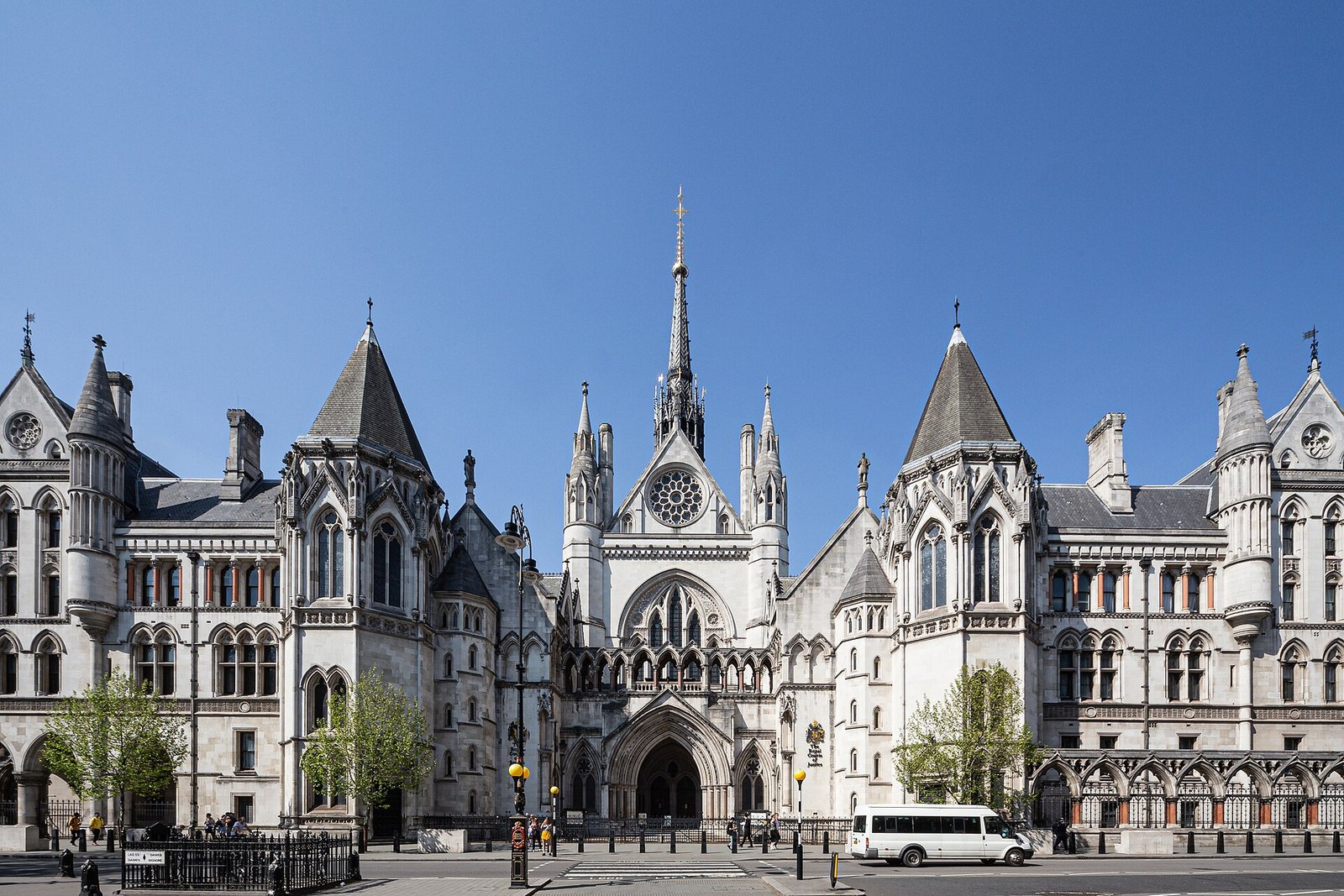
The statutory basis is the Insolvency Act 1986 and the Insolvency (England and Wales) Rules 2016. Under section 84 of the Act a company may resolve by special resolution that it be wound up voluntarily. A special resolution requires a 75% majority of the votes cast by shareholders.
What makes a voluntary winding up a creditors' winding up is the absence of a statutory declaration of solvency. If the directors cannot swear that the company will pay its debts in full within the permitted period, the liquidation proceeds as a creditors voluntary liquidation rather than a members' voluntary liquidation.
Two reforms changed the way these liquidations run. The Small Business, Enterprise and Employment Act 2015 removed the old default requirement for a physical meeting of creditors, so creditors now usually decide by the deemed consent procedure or a virtual meeting. The Company Directors Disqualification Act 1986 requires the liquidator to report on the conduct of every person who was a director in the three years before the insolvency.
Who is involved
- The directors convene the shareholders, prepare the statement of affairs and seek the creditors' decision on the liquidator.
- The shareholders pass the special resolution and may nominate a liquidator.
- The creditors nominate the liquidator (their choice prevails) and may form a liquidation committee.
- The liquidator, a licensed insolvency practitioner, realises assets, investigates and distributes.
- The Insolvency Service, on behalf of the Secretary of State, decides whether to pursue disqualification.
When directors should consider a CVL
A CVL is the right tool when the company is insolvent and there is no realistic prospect of rescue. Typical signals are persistent cash-flow shortfalls, arrears with HMRC, a creditor threatening a winding-up petition, the loss of a key customer or lender support, and a balance sheet that shows liabilities well above assets.
Directors should also compare the alternatives. A company voluntary arrangement or a sale through administration may preserve value where the underlying business is viable. Our guide to administration vs liquidation sets out the differences. Where the company is solvent and simply no longer needed, a members' voluntary liquidation or striking off may be more suitable, as covered in our guide on how to close a limited company.
Timing matters as much as choice. Once directors know, or ought to conclude, that there is no reasonable prospect of avoiding insolvent liquidation or administration, their duty shifts towards minimising the potential loss to creditors. Continuing to trade beyond that point exposes them to the risk of a wrongful trading claim.
Board minutes recording when the directors first took insolvency advice, what options they considered and why they chose a creditors voluntary liquidation are often the most valuable evidence a director has when the liquidator later reviews their conduct. Write them at the time, not afterwards.
The creditors voluntary liquidation process step by step
The statutory timetable is short. Most of the work takes place in the days before the shareholder resolution is passed, so directors should engage an insolvency practitioner early and let them prepare the documents.
- Board meeting and advice. The directors resolve that the company cannot continue trading because of its liabilities, instruct a licensed insolvency practitioner and agree to convene a general meeting of shareholders. They should stop taking deposits or credit they cannot repay.
- Notice to any qualifying floating charge holder. Where a lender holds a qualifying floating charge, section 84(2A) requires written notice of the proposed resolution. The resolution can then only be passed after five business days, or sooner with the charge holder's written consent, giving the lender a chance to appoint an administrator instead.
- Shareholder resolution. Shareholders pass a special resolution to wind up voluntarily, usually at a general meeting or by written resolution, and may nominate a liquidator. The liquidation begins when the resolution is passed.
- Creditors' decision on the liquidator. The directors must seek the creditors' nomination of a liquidator by deemed consent or a virtual meeting. Under rule 6.14 of the Insolvency Rules the decision date must be at least three business days after notice and no later than 14 days after the resolution.
- Statement of affairs. Within 7 days of the resolution the directors must make out a statement of the company's assets, debts, creditors and securities, verified by a statement of truth, and send it to creditors no later than the business day before the decision date.
- Filings and advertisement. The resolution must be sent to Companies House within 15 days and advertised in The Gazette within 14 days. The liquidator also gives notice of appointment.
- Realisation and investigation. The liquidator takes control of assets and records, sells assets, agrees creditor claims and investigates the directors' conduct and any antecedent transactions.
- Distribution and dissolution. Funds are distributed in the statutory order, the liquidator delivers a final account to creditors and Companies House, and the company is then dissolved.
Director investigations in a creditors voluntary liquidation
Once the liquidator is appointed, the directors' powers end. Government guidance on what happens to directors confirms that they must provide information, hand over assets and records, and attend an interview if asked.
Every creditors voluntary liquidation of an insolvent company triggers a conduct report. Under section 7A of the Company Directors Disqualification Act 1986 the liquidator must report to the Secretary of State on each person who was a director at any time in the three years before the insolvency date, normally within three months. The Insolvency Service then decides whether to seek a disqualification, which can last from 2 to 15 years.
Claims the liquidator can bring
The liquidator also looks for money that can be recovered for creditors. The main routes are:
- Misfeasance under section 212 of the Insolvency Act 1986, for breach of duty or misapplication of company money.
- Wrongful trading under section 214, where directors continued trading when they knew or ought to have concluded insolvent liquidation was unavoidable and did not take every step to minimise creditor losses.
- Fraudulent trading under section 213, which requires intent to defraud.
- Preferences under section 239, such as repaying a director's loan or a guaranteed bank debt ahead of other creditors. The look-back period is six months, or two years for connected persons.
- Transactions at an undervalue under section 238, with a two-year look-back.
- Overdrawn director's loan accounts, which are simply debts owed to the company and are often the first item a liquidator recovers.
Our guide on directors' duties in the UK explains the duties that underpin these claims, and our insolvency advice for directors team acts for directors facing liquidator questionnaires and claims.
Personal guarantee exposure and other personal risks
A creditors voluntary liquidation ends the company's liability to trade on, but it does not end any liability directors have taken on personally. The most common is a personal guarantee given to a bank, asset finance provider or landlord. Liquidation is almost always an event of default, and the lender will usually make demand on the guarantor shortly afterwards.
Directors can also face personal exposure through HMRC personal liability notices in some circumstances, through the restriction on re-using the company name, and through claims under the provisions listed above.
The re-use of company names
Section 216 of the Insolvency Act 1986 restricts directors of a company in insolvent liquidation from using the same or a similar name for a new business. Government guidance states that the restriction lasts five years, subject to exceptions such as a sale by a licensed insolvency practitioner with the required notice, permission from the court, or an existing company that has used the name for at least a year. Breach is a criminal offence and can create personal liability for the new company's debts.
| Risk | Who pursues it | How directors reduce it |
|---|---|---|
| Disqualification (2 to 15 years) | Insolvency Service after the conduct report | Stop trading promptly, keep records, cooperate, take advice early |
| Wrongful trading contribution | Liquidator or assignee | Minute decisions; take every step to minimise creditor loss once insolvency is unavoidable |
| Preference or undervalue claim | Liquidator | Avoid repaying connected creditors or guaranteed debt ahead of others |
| Overdrawn director's loan account | Liquidator | Reconcile accounts before appointment; consider set-off issues |
| Personal guarantee demand | Lender, landlord, supplier | Negotiate early; check guarantee terms and defences |
| Phoenix name restriction | Criminal liability and creditors | Use a statutory exception or a different name |
What creditors receive
The liquidator distributes funds in a fixed order. Fixed charge holders are paid from the assets subject to their charge. Liquidation expenses come next, followed by preferential creditors. These include employees for certain arrears and holiday pay and, since December 2020, HMRC as a secondary preferential creditor for certain taxes collected on behalf of the Crown, such as VAT and PAYE.
Before floating charge holders are paid, a "prescribed part" of floating charge realisations is ring-fenced for unsecured creditors under section 176A of the Act, subject to a statutory cap that is currently £800,000 for more recent floating charges. Unsecured creditors then share whatever remains on a pro rata basis, and shareholders receive anything left, which in a CVL is rare.
Employees can claim certain statutory payments, such as redundancy pay, notice pay and some arrears, from the government's Redundancy Payments Service, subject to statutory limits. Creditors with retention of title clauses may be able to recover their goods if the clause is properly incorporated and the goods are identifiable.
Illustrative scenario: a distributor that runs out of road
This scenario is illustrative only. It does not describe a real client or matter.
A London-based distributor loses its largest customer. Its bank facility is secured by a debenture and supported by a personal guarantee from the two directors. HMRC arrears are building and a supplier has served a statutory demand.
The directors take advice, minute their decision to stop trading and instruct an insolvency practitioner. The bank, as qualifying floating charge holder, receives notice and consents to the resolution rather than appointing an administrator, because the stock and receivables can be realised in liquidation. Shareholders pass the special resolution, creditors approve the liquidator through deemed consent and the statement of affairs is circulated on time.
The liquidator later questions a payment made to one director's spouse two months before liquidation and an overdrawn loan account. Because the board had kept clear records and the spouse payment was for documented work at market rate, the preference argument falls away. The loan account is settled by agreement. The bank, however, calls on both guarantees, and the directors negotiate a repayment plan with it separately. The lesson is that the liquidation itself was orderly, but the personal exposure was decided by documents signed years earlier.
Risks and common mistakes for directors
Paying the guaranteed bank debt first
When a company is heading for liquidation, directors who have guaranteed the overdraft are tempted to pay it down first. That reduces their personal exposure, but it can be a preference under section 239 because the directors benefit. The liquidator can ask the court to reverse it, and the conduct report will mention it.
The safer approach is to treat all unsecured creditors consistently once insolvency is likely, take advice on any significant payment, and record the commercial reason for any payment that is made.
Trading on in the hope of a turnaround
Optimism is not a defence. If directors continue to incur credit after the point when insolvent liquidation was unavoidable, they risk being ordered to contribute to the company's assets for wrongful trading, and the period of continued trading is a frequent theme in disqualification cases.
A short, documented turnaround plan with clear decision points, regular cash-flow forecasts and independent advice gives directors a defensible position. Without it, the creditors voluntary liquidation that follows may be viewed as having come too late.
Moving assets or customers to a new company
Transferring stock, equipment, contracts or goodwill to a connected company shortly before liquidation, especially for little or no value, invites claims for transactions at an undervalue and misfeasance. Using the old name for the new business can also breach section 216.
If a business is to continue, the assets should be valued independently and sold by the liquidator, with the statutory name notice where needed. That route is slower, but it protects the directors.
Poor records and late statements of affairs
A missing or inaccurate statement of affairs is an offence, and incomplete accounting records make every transaction look suspicious. Liquidators often send directors a detailed questionnaire early in the case, and vague answers lead to further enquiries.
Directors should gather bank statements, management accounts, director's loan account ledgers, board minutes and key contracts before the liquidator is appointed, and answer questionnaires carefully, with advice if claims are likely.
The cross-border angle
Many UK companies have directors, assets or creditors outside England and Wales. A liquidator appointed in a creditors voluntary liquidation may need recognition abroad to recover assets, and claims against directors living overseas may need to be enforced in another jurisdiction.
For directors or shareholders based in Bangladesh, the practical questions are whether a liquidator's judgment or a lender's guarantee claim can be enforced there, and how assets held in Bangladesh are treated. Our guide on how to enforce a UK judgment in Bangladesh explains the process. TRW & Co's offices in London and Dhaka work together on these matters.
What directors should do next
- Prepare an up-to-date cash-flow forecast and balance sheet, and record the board's view of solvency.
- Take advice from a licensed insolvency practitioner and from solicitors acting for the directors personally, whose interests may differ from the company's.
- Stop paying connected creditors or guaranteed debt ahead of others.
- Check every personal guarantee, indemnity and director's loan account.
- Give notice to any qualifying floating charge holder before the shareholder resolution.
- Diarise the 7-day statement of affairs deadline and the 14-day decision window.
- Assemble books, records and minutes for the liquidator.
Our restructuring and insolvency team advises boards and individual directors before and during a creditors voluntary liquidation, and acts in claims brought by liquidators. Where advocacy in the higher courts is required, we instruct specialist counsel. To discuss your position, contact our London office.
Frequently asked questions
01How long does a creditors voluntary liquidation take?
The formal start is quick: once advice is taken and any floating charge holder has been notified, the shareholder resolution and creditors' decision can usually be completed within a few weeks. The liquidation itself then runs until assets are sold, claims are agreed and investigations are finished. Simple cases with few assets may close within a year, while cases involving property, litigation against directors or disputed claims can last considerably longer. The company is dissolved after the liquidator's final account is registered.
02Can a director be a director of another company after a CVL?
Yes, unless the director is disqualified by the court or gives a disqualification undertaking. A creditors voluntary liquidation does not automatically ban anyone. However, section 216 of the Insolvency Act 1986 restricts the re-use of the liquidated company's name, or a similar name, for five years unless a statutory exception applies. The liquidator's conduct report is the key document: the Insolvency Service uses it to decide whether to pursue disqualification proceedings for unfit conduct.
03Who pays for a creditors voluntary liquidation?
The liquidator's fees and expenses are normally paid from the company's assets, ahead of preferential and unsecured creditors. Where the company has few assets, the directors or shareholders sometimes pay a fee for the work done in convening the shareholder and creditor decisions, and this must be disclosed to creditors. Directors should not use company money to pay for advice on their personal position without considering whether that is a proper use of company funds.
04What happens to a personal guarantee when a company goes into liquidation?
The guarantee remains in force. Liquidation is usually an event of default under the facility, which entitles the lender to demand payment from the guarantor. The amount claimed is normally the shortfall after the lender has realised its security and received any dividend. Guarantors should check the guarantee wording, any cap, the validity of the demand and possible defences, and should open negotiations early. Repaying guaranteed debt ahead of other creditors before liquidation can be challenged as a preference.
05What is the difference between a CVL and a compulsory liquidation?
A creditors voluntary liquidation is started by the company through a shareholder resolution, and the creditors choose a private-sector insolvency practitioner as liquidator. A compulsory liquidation is ordered by the court, usually on a creditor's winding-up petition, and the Official Receiver initially becomes liquidator. Directors keep more influence over timing in a CVL, and acting voluntarily can be viewed more favourably than waiting for a creditor to petition.
06Can creditors object to the liquidator nominated by the directors?
Yes. The creditors' nomination prevails over the shareholders' nomination under section 100 of the Insolvency Act 1986. If enough creditors object to a deemed consent decision, the directors must convene a physical meeting. Where different people are nominated, any director, member or creditor may apply to court within 7 days of the creditors' nomination for an order appointing a different or joint liquidator.
Sources and official materials
- Insolvency Act 1986 — Voluntary winding up, liquidator powers and director claims
- Insolvency Act 1986, section 84 — Resolution for voluntary winding up and notice to floating charge holders
- Insolvency (England and Wales) Rules 2016 — Creditors' decision procedures and CVL timetable
- Liquidate your limited company (GOV.UK) — Government guidance on CVL steps and filings
- Company Directors Disqualification Act 1986, section 7A — Office-holder conduct reports
- Insolvency Service — Investigations and director disqualification
General information only, current as at 21 October 2026. It is not legal advice and does not create a solicitor–client relationship. It reflects the law of England and Wales unless stated otherwise; Scotland and Northern Ireland have separate legal systems, and the law changes frequently. Check current official sources and take advice on the facts of your matter.