TRW & Co · Settlement and citizenship
The citizenship ceremony

Adults becoming British must attend a citizenship ceremony within 90 days of their invitation, make an oath of allegiance or affirmation and a pledge, and receive their certificate. Citizenship begins at that moment. Keep your immigration permission valid until the ceremony and get a British passport before travelling.
Key pointYou become British only when you make the oath and pledge at the ceremony; missing the 90-day window without good reason means refusal and a new application.
At a glance
Who attends
Adults naturalising or registering as British citizens.
Deadline
Within 90 days (three months) of the invitation.
Cost
£130 ceremony fee included in the application fee.
Guests
Usually two; private ceremonies may cost more.
Afterwards
Destroy any BRP and apply for a passport or certificate of entitlement.
Swipe or scroll →
Citizenship ceremony: what you need to know
A citizenship ceremony is the final legal step in becoming British for anyone aged 18 or over. After the Home Office approves a naturalisation or registration application, you must attend a ceremony arranged by your local council, make an oath of allegiance (or affirmation) and a pledge, and receive your certificate. GOV.UK states that you must attend within three months of the invitation, and the Form AN guidance puts it as 90 days.
Until you have made the oath and pledge, you are not yet a British citizen, however long ago the application was approved. That has practical consequences: your existing immigration permission must stay valid until the ceremony, and you cannot travel as a British citizen until you have a passport or certificate of entitlement. This guide explains the law, the booking process, the day itself and what to do afterwards, as at November 2026.
The legal basis for the ceremony
The requirement comes from section 42 of the British Nationality Act 1981, in its current form since 2004. It provides that a person of full age shall not be registered as a British citizen, and a certificate of naturalisation shall not be granted to them, unless they have made the citizenship oath and pledge specified in Schedule 5 "at a citizenship ceremony". The Home Secretary may disapply or modify the requirement where the special circumstances of a case make that appropriate.
The wording is fixed by Schedule 5. The oath of allegiance is a promise to be faithful and bear true allegiance to the monarch, their heirs and successors according to law; the printed statutory text still names Queen Elizabeth the Second, and Home Office guidance now describes it as an oath of allegiance to His Majesty the King. The pledge reads: "I will give my loyalty to the United Kingdom and respect its rights and freedoms. I will uphold its democratic values. I will observe its laws faithfully and fulfil my duties and obligations as a British citizen."
The ceremony is not a formality after citizenship: it is the moment citizenship begins.
Section 42(7) applies the Oaths Act 1978, so anyone who prefers not to swear by God may make a solemn affirmation instead, with the same legal effect. The Form AN guidance describes the oath and pledge as "a legal requirement for adults" and "the point at which you will become a British citizen".
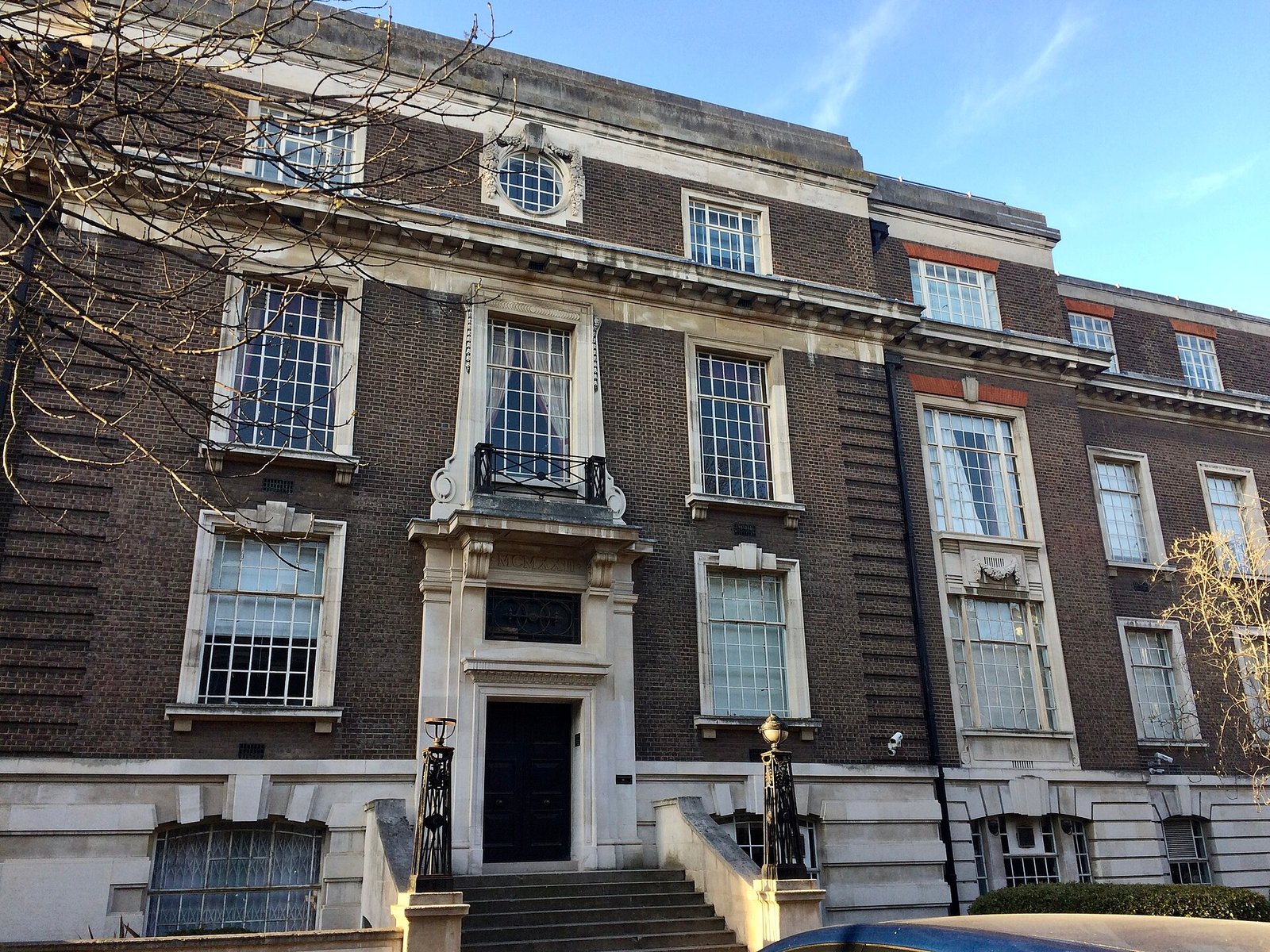
Who must attend a citizenship ceremony
The ceremony requirement applies to adults becoming British citizens, whether by naturalisation or registration. Children are treated differently, and some other forms of British nationality need only an oath. The table summarises the position under section 42 and the GOV.UK and Home Office guidance.
| Applicant | Ceremony required? | Notes |
|---|---|---|
| Adult naturalising as a British citizen (section 6(1) or 6(2)) | Yes | Oath or affirmation and pledge at a ceremony; certificate of naturalisation presented |
| Adult registering as a British citizen | Yes | Same oath and pledge; certificate of registration presented |
| Child under 18 at the decision | No | Becomes British on approval; families may be invited to attend |
| Child who turns 18 before the decision | Yes | An extra £130 ceremony fee is requested at the decision stage |
| Windrush Scheme applicant | Optional | No fee for the ceremony |
| Registration as a BOTC, BOC or British subject | No ceremony | An oath (or oath and pledge for BOTCs) is still required |
Exemptions from attending are rare. The Form AN guidance says they may be granted where an applicant is physically unable to attend or where their mental state would make attendance inappropriate, supported by evidence. Section 42(6) is the legal basis for those exceptions.
The invitation and the 90-day deadline
If your application is approved and you are in the UK, the Home Office sends an invitation that names the local authority to contact. It may arrive by email, so check your spam or junk folder if you are expecting a decision. You must take the invitation to the ceremony. The guidance is firm about timing: you must arrange and attend within 90 days of receiving the invitation, and the latest date is printed on it.
If you do not attend within 90 days without good reason, the Form AN guidance says your application will be refused and you will need to apply again, paying a new fee. Book as soon as the invitation arrives, especially if you have travel planned or your council is busy.
- Decision
Application approved
Usually within six months of applying, or about 30 working days with the priority service.
- Invitation
Home Office letter or email
Names the council to contact and the last date for the ceremony.
- Within days
Book with the council
Choose a group ceremony or ask about a private one.
- Within 90 days
Attend the ceremony
Make the oath or affirmation and pledge; receive your certificate.
- Afterwards
Passport and BRP
Apply for a British passport or certificate of entitlement; destroy any BRP.
Keep your immigration status in mind throughout. The Form AN guidance warns that a citizenship application gives no immigration permission while it is pending and that permission must last until the ceremony. Holders of ILR or settled status are unaffected, but anyone relying on time-limited leave, or on settled status that could lapse after long absence, should plan around the deadline.

Booking with your local council
Your local authority organises the citizenship ceremony; GOV.UK links to each council's booking service. Most ceremonies are group events, often held in a register office, town hall or council chamber. You can ask for a private ceremony, but councils may charge more for it. The standard ceremony cost is already covered by the £130 fee paid with your application, which is part of the £1,839 total for naturalisation as at November 2026.
GOV.UK says you can usually bring two guests. When you contact the council, you will be asked questions to confirm your identity, and checks may be made. If you have special needs or concerns, for example about saying the oath and pledge in English or about access, raise them with the council once you have the invitation. The Form MN1 guidance notes that someone who cannot speak enough English to follow the ceremony should bring an interpreter, and that the words are repeated in English.
Ceremonies abroad
If you live outside the UK, you can ask the British embassy, high commission or consulate whether you can have the ceremony there, and the Home Office guidance says arrangements will be made at a diplomatic post or governor's office. GOV.UK adds two limits: if you applied for citizenship in the UK you cannot have your ceremony abroad, and if you are only abroad briefly you may be asked to postpone until you return, while still booking within the three-month window.
What happens at a citizenship ceremony
Councils run ceremonies in their own style, and the Form MN1 guidance notes that they reflect the local community, often with a welcome from a local dignitary and some information about the area. The legal core is the same everywhere. The steps below describe a typical group ceremony.
- Arrive with your invitation and identification. Staff check your identity against the Home Office details and the documents the council asked you to bring.
- Welcome and speeches. A registrar or local dignitary welcomes new citizens and explains the significance of citizenship.
- Oath or affirmation of allegiance. You repeat the words of the oath, or the affirmation if you prefer not to swear by God, usually as a group.
- Pledge. You repeat the pledge to give your loyalty to the United Kingdom, respect its rights and freedoms, uphold its democratic values and observe its laws.
- Presentation of certificates. Each new citizen is presented with their certificate of naturalisation or registration and a welcome pack.
- Photographs. Some councils sell photographs or video of the event; ask in advance if you want them.
From the moment you complete the oath and pledge, you are a British citizen. The certificate of naturalisation records the date. Check every detail on it before you leave: name, date of birth and place of birth. Mistakes are easier to deal with when spotted immediately.

Oath of allegiance or affirmation
Applicants often ask whether they must swear a religious oath. They do not. GOV.UK states that you will make an oath of allegiance, "or an affirmation if you prefer not to swear by God", and the pledge. The two forms have identical legal effect. The choice is personal.
Oath of allegiance
- Swear by Almighty God to be faithful and bear true allegiance to the monarch, heirs and successors
- Followed by the citizenship pledge
- Required for adults under section 42 unless disapplied
Affirmation
- A solemn affirmation of the same allegiance, without religious wording
- Followed by the same citizenship pledge
- Same legal effect under section 42(7) and the Oaths Act 1978
Neither the oath of allegiance nor the pledge requires you to renounce another nationality. Whether you keep a previous citizenship depends on that country's law; our guide to dual citizenship explains how to check before the ceremony, when it is still possible to change course.
Your certificate of naturalisation and what comes next
Your certificate of naturalisation (or certificate of registration) is the primary evidence that you are British. Keep the original safe: as at November 2026, the Home Office fee table lists £456 for a certified copy and £456 for a reissued certificate. If you notice an error, apply on Form RR to correct it. You may have to pay, depending on whether the mistake was yours, for example because you gave incorrect details when you applied.
- Check names, dates and place of birth on the certificate before leaving the ceremony
- Store the original certificate securely; use copies for everyday purposes
- Destroy your biometric residence permit or residence card after the ceremony, cutting through your personal details, the royal coat of arms and the chip
- Apply for a British passport or a certificate of entitlement before any travel abroad
- Tell your employer, landlord and others who relied on your eVisa that you are now British
- Check whether your other country of nationality requires you to notify it
- Apply for children who are not yet British, if they qualify for registration
On the biometric residence permit, follow the instructions you receive. The July 2026 Form AN guidance tells new citizens to destroy any BRP or residence card after the ceremony. An older GOV.UK page for spouse applicants still describes posting the cut-up permit back within five working days, with a fine of up to £1,000 for failing to return it. If in doubt, follow the most recent instruction in your own invitation pack.
Employers and landlords may also need to update their records. Your eVisa reflected your status as a foreign national; once you hold a British passport, an employer can check your right to work using the passport, including through the certified digital identity checks available for British and Irish passport holders under the Home Office employer's guide. Our page on right to work checks explains the employer side. If you have children who are not yet British, the ceremony is also a good moment to review whether they can now register, for example because you have become a British citizen.
Travelling after the ceremony
Once you are British you can no longer enter the UK on your BRP or eVisa, and the citizenship certificate is not a travel document. British citizens cannot get an electronic travel authorisation or a UK visa. To travel, you need a British passport or a certificate of entitlement to the right of abode, which costs £589 as at November 2026. The Home Office says there are no current plans for a digital proof of British citizenship.
Do not book travel for the weeks after your citizenship ceremony until you know how long a passport will take. GOV.UK suggests checking passport and certificate of entitlement processing times before you even apply for citizenship. People who became British after settling under the EU Settlement Scheme may be able to travel on their EEA document if it is linked to their UKVI account.
Postponements, exemptions and other problems
I cannot attend within 90 days
Contact the council and the Home Office as soon as possible and explain why. Without good reason, missing the deadline leads to refusal and a fresh application. Keep evidence of illness, bereavement or other unavoidable circumstances.
I am abroad when the invitation arrives
GOV.UK says you may be asked to postpone until you return, but you must still book within three months. If you applied in the UK you cannot hold the ceremony abroad.
I have a disability or health condition
Tell the council what adjustments you need. If attendance is impossible, an exemption can be requested with medical evidence, but the Home Office grants these rarely.
My immigration permission is about to expire
A pending or approved citizenship application gives no immigration status. Keep your leave valid until the ceremony, extending if necessary, or you risk becoming an overstayer before you become British.
I was arrested after my application was approved
You must tell the Home Office of any arrest or charge while the application is under consideration. Take advice immediately: the good character requirement must be met until you become a citizen at the ceremony.

Worked example
Example (hypothetical): Mei, a software engineer in Islington, naturalised under section 6(1). Her approval email arrives on 3 March and gives a last ceremony date 90 days later. She has a family wedding abroad in late April. She books a group citizenship ceremony with Islington Council for 20 March, choosing to make an affirmation rather than an oath of allegiance, and brings her husband and a friend as her two guests.
At the ceremony, Mei checks her certificate of naturalisation and spots that her middle name is misspelt. She asks the registrar what to do and then applies on Form RR. Meanwhile she still holds a valid foreign passport and her ILR has ceased to matter. Because she cannot enter the UK on her eVisa any more, she applies for a British passport straight away, before booking flights for the wedding. If the passport might not arrive in time, she would consider postponing the trip rather than travelling without a document that proves her right of abode.
Naturalisation
Residence, English and Life in the UK requirements before the ceremony.
Read the guideCitizenshipSpouse of a British citizen
The three-year section 6(2) route.
Read the guideCitizenshipGood character
The requirement that applies until the oath is made.
Read the guideCitizenshipDual citizenship
Keeping another nationality after the ceremony.
Read the guideNext steps
Most citizenship ceremonies go smoothly, but problems with deadlines, immigration status, travel or certificate errors are easier to solve early. We usually advise clients at the approval stage on booking, status and passports, so that nothing is left to the last week of the 90-day window. Our British citizenship solicitors also handle applications for children and corrections to certificates, and our immigration team can protect your status while you wait.
If you need help with a citizenship ceremony deadline, an exemption request or a problem with your certificate of naturalisation, book a consultation. Bring your invitation, your Home Office decision and your current immigration documents.
Frequently asked questions
01How long does a citizenship ceremony last?
Councils set their own format, so the length varies. Ask the council when you book, and allow time for identity checks on arrival.
02Can my children attend?
Children who were registered as British at the same time do not need to attend, but GOV.UK guidance says they may be invited as part of a family celebration. Check guest numbers with the council.
03Can I have my ceremony in a different council area?
Your invitation names the local authority to contact. If you need a different venue, ask that council; arrangements vary and a private ceremony may cost extra.
04Do I need to bring my passport?
You must bring your invitation, and the council will tell you which identity documents it needs. Bring the identification you used in your application unless told otherwise.
05What if I lose my certificate of naturalisation?
You can apply for a reissued certificate or certified copy. Both are listed at £456 in the Home Office fee table as at November 2026.
06Is there a ceremony for people registered under the Windrush Scheme?
GOV.UK says Windrush Scheme applicants can choose whether to attend and do not have to pay the ceremony fee.
Sources and official materials
- GOV.UK: Citizenship ceremonies — Booking, guests, cost and the day
- British Nationality Act 1981, section 42 — The legal requirement for a ceremony
- British Nationality Act 1981, Schedule 5 — Wording of the oath and pledge
- Form AN: guidance (July 2026) — 90-day deadline, exemptions, BRP and travel
- Form MN1: guidance (August 2026) — Children and ceremonies
- Home Office immigration and nationality fees, 8 October 2026 — Ceremony, certificate and copy fees
- GOV.UK: Prove you have right of abode — Certificate of entitlement
General information only, current as at 19 November 2026. It is not legal advice and does not create a solicitor–client relationship. It reflects the law of England and Wales unless stated otherwise; Scotland and Northern Ireland have separate legal systems, and the law changes frequently. Check current official sources and take advice on the facts of your matter.