

Genuine Vacancy: How UKVI Tests Whether a Sponsored Role Is Real
The genuine vacancy test asks whether a sponsored job is real, needed and as described. This guide explains the Rules, the 2026 eligible role definition, warning…
Read the insightSearch TRW & Co London
Popular practice areas
Browse
Corporate & CommercialBanking, Finance & RestructuringFunds & Financial ServicesDisputes & ArbitrationCompetition, Regulatory & InvestigationsEmployment & PensionsImmigration & NationalityTax, Private Wealth & FamilyReal Estate & ConstructionEnergy, Infrastructure & TransportTechnology, Data & IPUK–Bangladesh Corridor All services Sectors All insightsTRW & Co · Immigration & Nationality
Sponsor licences, work and talent visas, family and settlement routes, citizenship, refusals and appeals — explained against the current Immigration Rules and Home Office guidance, and handled by a London team that works with employers and families every day.
Where are you starting from?
Route finder
Choose the situation closest to yours. Each guide sets out who qualifies, the evidence UKVI expects, current fees and timings, and what to do if something goes wrong.
UK employers now hire overseas talent under a tighter, costlier system: higher salary thresholds, graduate-level skill requirements and active Home Office enforcement. Our business…
Read the guide FamilyFamily and personal immigration law decides who can join you in the UK, how long they can stay and when they can settle or…
Read the guide Work and sponsorshipMost UK employers need a Home Office sponsor licence before they can hire from overseas. We prepare applications that show UKVI a genuine, trading…
Read the guide Work and sponsorshipHolding a sponsor licence brings continuing duties: reporting changes within 10 or 20 working days, keeping Appendix D records, checking right to work and…
Read the guide Work and sponsorshipThe Skilled Worker visa remains the main way for UK employers to hire from overseas, but since July 2025 most new roles must be…
Read the guide Work and sponsorshipThe Global Business Mobility routes let international businesses move senior staff, specialists, graduate trainees, secondees and service suppliers to the UK, and send a…
Read the guide Talent, founders and investorsThe Global Talent visa lets recognised leaders and potential leaders in research, arts and culture, and digital technology work in the UK without a…
Read the guide Talent, founders and investorsThe Innovator Founder visa lets founders build a new, innovative business in the UK for 3 years at a time, with settlement possible after…
Read the guide Talent, founders and investorsWe advise fast-growing businesses on becoming a qualifying scale-up sponsor and hiring under the Scale-up visa, and individuals on Scale-up and High Potential Individual…
Read the guide Talent, founders and investorsThe Tier 1 Investor visa closed to new applicants on 17 February 2022, and extension applications had to be made before 17 February 2026.…
Read the guide StudyA Student visa needs a CAS from a licensed student sponsor, funds held for 28 days, the right English level and a credible study…
Read the guide Work and sponsorshipWe advise employers, labour providers, platforms and sponsors on UK right to work checks: building compliant processes, auditing existing files under privilege, adapting supply…
Read the guide FamilyWe advise couples on spouse and partner visas under Appendix FM: first applications from abroad, switches and extensions in the UK, settlement after five…
Read the guide FamilyFamily visas let British, settled and protected people bring a parent, child or dependent relative to live in the UK, or keep a family…
Read the guide Settlement and citizenshipIndefinite leave to remain lets you stay in the UK without a time limit and is usually the step before citizenship. We advise on…
Read the guide Settlement and citizenshipThe Home Office published its final earned settlement policy on 2 November 2026, moving the default route to settlement from five years to ten.…
Read the guide Settlement and citizenshipMost adults naturalise after 5 years' residence and 12 months with ILR or settled status; spouses of British citizens can apply as soon as…
Read the guide Settlement and citizenshipWe advise EU, EEA and Swiss citizens and their families on late applications, joining family members, moving from pre-settled to settled status, cancellations, appeals…
Read the guide Refusals, appeals and challengesAfter a UK visa refusal you may be able to ask for administrative review, appeal to the First-tier Tribunal, reapply or seek judicial review.…
Read the guide Refusals, appeals and challengesWe act on immigration appeals against refused protection and human rights claims, from the notice of appeal to the hearing and beyond. Appeals must…
Read the guide Refusals, appeals and challengesJudicial review challenges the lawfulness of a Home Office or tribunal decision where no adequate appeal or review exists. Most immigration claims go to…
Read the guide Refusals, appeals and challengesA human rights claim asks the Home Office to accept that removal would breach the European Convention on Human Rights, usually Article 8 (private…
Read the guide Asylum, deportation and detentionAn asylum claim asks the UK to recognise you as a refugee or, failing that, to grant humanitarian protection. Claims made from 2 March…
Read the guide Asylum, deportation and detentionDeportation removes a non-British national and bars return while the order stands. Whether it can be resisted depends on the sentence, family and private…
Read the guide Asylum, deportation and detentionImmigration bail is how people held under immigration powers are released, and the status many people live under while their case continues. It can…
Read the guide Visits and travelMost UK visits need either a Standard Visitor visa or, for non-visa nationals, a £20 ETA, mandatory since 25 February 2026. The application must…
Read the guide2025–26 at a glance
UK immigration law has moved faster in the last eighteen months than at any time since the points-based system began. Each change below links to the guide that explains it.
The charge is now £480 (small or charitable sponsors) or £1,320 (medium and large sponsors) for the first 12 months of each certificate of sponsorship, then £240 or £660 for each further six months.
Read the guideAsylum claims and further submissions made on or after 2 March 2026 lead to 30 months of refugee or humanitarian protection leave rather than five years. Claims made by 1 March 2026 keep the five-year route.
Read the guideA suspended sentence of 12 months or more, for a conviction on or after 22 March 2026, now counts for automatic deportation under the UK Borders Act 2007 and for mandatory refusal under Part Suitability.
Read the guideIndefinite leave to remain is now £3,226, naturalisation £1,709 plus the £130 ceremony fee, an ETA £20 and a small sponsor licence £611. Child registration fell to £1,000. Always check the current fee table before applying.
Read the guideThe First-tier Tribunal must decide appeals by asylum-supported appellants and non-detained foreign national offenders within 24 weeks where reasonably practicable.
Read the guideIllegal working rules now extend beyond employees to workers, individual sub-contractors, online matching platforms and some supply chains, with a new Code of Practice and employer guide.
Read the guideChanges to Erasmus+ routes, the EU Settlement Scheme, domestic abuse settlement for adult dependent children and modern slavery victims on Skilled Worker leave. Higher student maintenance funds follow on 30 November 2026.
Read the guideThe Government confirmed settlement pathways of 3 to 20 years with four mandatory conditions (no criminal record, B2 English, no government debt and earnings of at least £12,571). It is not yet law: no Rules change or start date has been published.
Read the guideThe Bill would create an Independent Immigration Appeals Authority, a single core protection status and Article 8 reforms. It is now before the House of Lords and may change before it becomes law.
Read the guideRQF 3–5 roles on the Temporary Shortage List, and most Immigration Salary List entries, only count where the certificate of sponsorship is issued before 31 December 2026. A recommended extension has not been laid.
Read the guideApplications made on or after 1 January 2027 get 18 months. Applications made by 31 December 2026 keep two years; PhD graduates keep three.
Read the guideSettlement on most work, family and long residence routes will need English at B2 for applications made on or after 26 March 2027, including for people already on those routes.
Read the guideInsights
Long-form explanations of the rules, the evidence and the pitfalls, written by lawyers for the person who has to make the decision.
The genuine vacancy test asks whether a sponsored job is real, needed and as described. This guide explains the Rules, the 2026 eligible role definition, warning…
Read the insight
The temporary shortage list lets employers sponsor some RQF 3 to 5 jobs, but only on certificates issued before 31 December 2026. This guide covers the…
Read the insight
How eVisa share codes work for individuals and employers, including the online right to work check, fallbacks and the December 2026 BRP deadlines.
Read the insight
Skilled Workers can do up to 20 hours a week of qualifying additional work without a new visa. This guide explains the definition, which second jobs…
Read the insight
A practical guide to scoping and running an employer immigration audit, from the sponsor file review to a mock Home Office visit.
Read the insight
How the Temporary Work – Creative Worker route works for artists, performers, models and their sponsors, including the three-month concession.
Read the insight
How the unauthorised absence and four-week unpaid leave rules work for sponsored workers, which absences are protected, and how absence affects settlement.
Read the insight
A practical reference to sponsor reporting duties: every trigger, how the deadlines run and how to build a system that catches them.
Read the insight
A working guide to the Home Office sponsor management system: who can log in, what must be done in it and by when, and the 2026…
Read the insight
The Youth Mobility Scheme gives young people from participating countries two years to live and work in the UK. This guide covers quotas, ages, the ballot,…
Read the insight
What a business and a worker each need for the Scale-up route: growth tests, the endorsing body pathway, salary and English rules, and the path to…
Read the insight
The UK Ancestry visa gives Commonwealth citizens with a UK-born grandparent five years to live and work in the UK, then a path to settlement. This…
Read the insight
The Graduate visa cannot be extended and does not lead to settlement, so staying in the UK means switching. This guide explains the deadlines, the Skilled…
Read the insight
No Innovator Founder visa application can be made without an endorsement. This guide explains who the endorsing bodies are, what they assess, the costs and how…
Read the insight
How the Global Business Mobility Service Supplier route works in 2026: trade agreement coverage, supplier categories, the UK client's licence duties, costs and maximum stay.
Read the insight
Who qualifies for the High Potential Individual visa, how the Global Universities List and 8,000 cap work, what it costs and how to move on to…
Read the insight
How Global Talent endorsing bodies assess exceptional talent and exceptional promise, what evidence works, and what to do after a refusal.
Read the insight
The Secondment Worker visa lets an overseas business send staff to work on a high-value contract with a UK client, which acts as sponsor. This guide…
Read the insight
Why UK Student visas are refused, how the credibility interview works, and how to choose between administrative review, a fresh application and judicial review.
Read the insight
How much money a UK Student visa applicant must show, how the 28-day rule is measured, and which accounts, loans and sponsors UKVI will accept.
Read the insight
Which students can bring a partner or children to the UK in 2026, how the postgraduate research and government sponsorship tests work, and what dependants can…
Read the insight
When and how to switch from Student to Skilled Worker in the UK: the course completion rules, new entrant salaries, employer costs and whether to take…
Read the insight
The CAS is the electronic record behind every Student and Child Student visa. Here is what the Immigration Rules require it to show, and how to…
Read the insight
How children aged 4 to 17 qualify to study at a UK independent school, and why consent, care and guardianship arrangements decide most applications.
Read the insight
The UK Graduate visa lets international students stay and work after completing an eligible UK degree, without a sponsor or job offer. It lasts two years…
Read the insight
Every partner application turns on whether the relationship is genuine and subsisting. This guide explains how caseworkers weigh relationship evidence and when interviews happen.
Read the insight
How the UK unmarried partner visa works in 2026, with a practical guide to proving a two-year durable relationship and building cohabitation evidence.
Read the insight
How the UK fiancé and proposed civil partner visa works in 2026, from eligibility and evidence to giving notice of marriage and switching to a partner…
Read the insight
Partners who cannot meet every requirement of Appendix FM may still be granted permission, but on a ten-year path to settlement. Here is how it works…
Read the insight
When a family visa application misses a rule, Appendix FM still requires an Article 8 check. This guide explains the GEN.3.1 and GEN.3.2 tests and how…
Read the insight
How the UK parent of a child visa works for separated parents of British and settled children, with the evidence the Home Office expects.
Read the insight
Partners whose visa depends on an abusive relationship may be able to settle in the UK in their own right. This guide explains Appendix VDA and…
Read the insight
A spouse visa refusal usually carries a right of appeal, but appealing is not always the fastest way to reunite a couple. Here is how to…
Read the insight
How the £29,000 minimum income requirement works for UK partner visas: which income counts, how savings are calculated and what to do if you fall short.
Read the insight
Which children can be registered as British citizens, how sections 1(3), 3(2), 3(5) and 3(1) work, and how to make a strong MN1 application.
Read the insight
How to make a late application to the EU Settlement Scheme in 2026, what counts as reasonable grounds and how to evidence the whole delay.
Read the insight
How EU, EEA and Swiss citizens and their families move from pre-settled to settled status under the 30-month rule, and what to do if automatic conversion…
Read the insight
Who can get an EU Settlement Scheme family permit, what evidence is needed from April 2026, and what joining family members must do after arriving.
Read the insight
The government has promised transitional protection for care workers, some health and education staff and the pre-April 2024 Skilled Worker cohort. It is not law yet.
Read the insight
How the section 6(2) route lets spouses and civil partners of British citizens naturalise after three years, with no 12-month wait after ILR.
Read the insight
The UK allows dual nationality. Here is what that means for travel, consular help, children, renouncing citizenship and deprivation risk in 2026.
Read the insight
How to settle after 10 years of continuous lawful residence, what time counts, how absences and gaps are treated, and why the announced closure matters.
Read the insight
How the Home Office removes British citizenship under section 40, what the investigation letter means, and how appeals work after the 2025 Act.
Read the insight
How the Home Office decides deception and false representations cases under Part Suitability, what a deception finding costs you, and the routes to challenge it.
Read the insight
How paragraph 353 decides whether further submissions after a failed asylum or human rights claim amount to a fresh claim, the 2026 validity rules and how…
Read the insight
How to challenge a First-tier Tribunal immigration decision in the Upper Tribunal: the error of law test, permission to appeal deadlines, new evidence and what happens…
Read the insight
How a First-tier Tribunal immigration appeal works in 2026: who can appeal, deadlines and fees, the rule-based timetable, the appeal bundle and what happens at the…
Read the insight
The mandatory refusal periods in Part Suitability, who they apply to, the exceptions that avoid them, and how to calculate when you can apply to return.
Read the insight
Who qualifies under Appendix Private Life, how continuous residence and very significant obstacles are assessed, what a grant gives you and how it leads to settlement.
Read the insight
What it means to overstay a UK visa, which short gaps the Immigration Rules forgive, and the options for staying lawfully or leaving without a long…
Read the insight
How to write and send a judicial review pre-action letter to the Home Office: when judicial review fits, the Annex A contents, the 14-day reply and…
Read the insight
What a human rights claim is in UK immigration law, how Article 8 claims are decided under the Rules and outside them, how to make one,…
Read the insight
How to leave the UK voluntarily, when the Home Office voluntary returns service can help, and how each option affects re-entry bans under Part Suitability.
Read the insight
What refugee status gives you in the UK, how 30-month refugee permission works since March 2026, when status can be lost, and how settlement and citizenship…
Read the insight
Why Appendix FRP closed, what happens to pending applications, how refugee families apply under Appendix FM now, and what the government proposes next.
Read the insight
How a deportation appeal works in the UK as at November 2026: what can be appealed, the deadlines, the statutory Article 8 tests and how revocation…
Read the insight
How immigration detention works in the UK as at November 2026: the powers, the limits on length, protections for vulnerable adults, bail and challenging unlawful detention.
Read the insight
What immigration bail conditions can require under Schedule 10 to the Immigration Act 2016, when electronic monitoring is mandatory, how to vary conditions and what breach…
Read the insight
Who counts as a foreign criminal, how the March 2026 change caught suspended sentences, the six exceptions in section 33 and what happens between sentence and…
Read the insight
Who qualifies for asylum support, what it pays as at November 2026, when section 95 support ends after a decision, how section 4 works, and how…
Read the insight
Who qualifies for humanitarian protection, what counts as serious harm, how it differs from refugee status, what a grant gives as at November 2026 and the…
Read the insight
How to visit the UK for private medical treatment: the requirements, the consultant's letter, 11-month visas and extensions, family companions and organ donors.
Read the insight
How parents can visit adult children in the UK as Standard Visitors, what a sponsor letter should say, which documents help and what to do if…
Read the insight
How the UK priority and super priority services work, which applications qualify inside and outside the UK, and when paying for a faster decision is worth…
Read the insight
How visiting experts, lecturers, lawyers, performers and sportspeople can be paid for short UK engagements as visitors, and the 30-day and invitation rules that apply.
Read the insight
Who needs a marriage visitor visa to marry in the UK, how notice of marriage works in England and Wales, how to time the trip and…
Read the insight
What business visitors can and cannot do in the UK under Appendix V and the permitted activities, how payment rules work, and when a work visa…
Read the insight
The UK ETA is the digital permission most non-visa visitors must hold before travelling to the UK. It costs £20, lasts two years or until the…
Read the insightHow we work
Immigration cases are won on preparation. We front-load the analysis so the application, the evidence and the fallback are settled before anything is filed.
We review immigration history, the job or relationship, and every document UKVI will look at, and identify the route that fits rather than the one that sounds right.
You receive a written plan: requirements met and missing, evidence list, Home Office fees, realistic timings and the risks to manage.
We draft representations, check every document against the rules and guidance, and prepare you or your staff for interviews and compliance visits.
We track the decision and, if it goes wrong, move quickly on administrative review, appeal or judicial review within the strict time limits.
Questions
No. Anyone can apply directly to the Home Office. Advice is most useful where the rules are finely balanced: a previous refusal, a criminal record, gaps in residence, complex finances, a sponsor licence, or a deadline that cannot be missed. Anyone giving immigration advice in the UK must be regulated, by the SRA for solicitors or by the Immigration Advice Authority.
Not yet. The Government published its final earned settlement policy on 2 November 2026, but no change to the Immigration Rules has been laid and no start date has been announced. Until that happens, existing settlement rules apply. Watch for transitional protection when the Rules are published.
The Home Office fee for indefinite leave to remain has been £3,226 since 8 April 2026. Naturalisation as a British citizen is £1,709 plus a £130 ceremony fee. Fees change, so check the current GOV.UK fee table before you apply.
If you apply to extend before your current leave expires, section 3C of the Immigration Act 1971 usually continues your leave, on the same conditions, until the decision and any in-time appeal or administrative review are finished. Applying even one day late loses that protection.
It depends on the decision. Some refusals carry a right of appeal to the First-tier Tribunal, usually where a human rights or protection claim was refused. Others can only be challenged by administrative review or judicial review, and some are best met by a fresh application. Time limits are short, so read the decision letter at once.
Yes. Employers must check right to work before employment starts, usually online using a share code linked to an eVisa. Since 1 October 2026 the duty also covers workers, individual sub-contractors and online matching platforms. The civil penalty can reach £60,000 per illegal worker.
Service standards vary by route and by where you apply. As a guide, many applications from outside the UK aim for a decision within three weeks, and in-country applications within eight weeks. Priority services are available for some routes. Check the current processing times on GOV.UK.
No. Our immigration team is based in London but advises clients across the UK and overseas, including employers sponsoring staff from abroad and families applying from outside the UK. Most work can be done remotely.
UK immigration matters are handled with GigaLegal Solicitors (SRA number 8005276), a TRW group firm based at 330 High Holborn.
Conference notes, transactions in the news and the people we work with — follow TRW & Co for the full feed.
 IBA 2026 · Copenhagen
A new collaboration with Itzik Amiel
Barrister Tahmidur Rahman met Itzik Amiel at the IBA Annual Conference. TRW will work closely with him as we strengthen our international relationships and client service.
10
Read
 International network
Hosting our Nigerian counterparts
We welcomed Ms Chinwe Kelechi-Ngumoha of the Directorate of Legal Services and Senator Natasha Akpoti-Uduaghan of Nigeria’s National Assembly.
17
Read
 M&A perspective
Al Nassr: the questions behind a US$267m stake
Control, liabilities, a player-shareholder’s interests, exit terms and approvals — what the shareholder agreement has to settle long after the headline.
9
Read
 IBA 2026 · Copenhagen
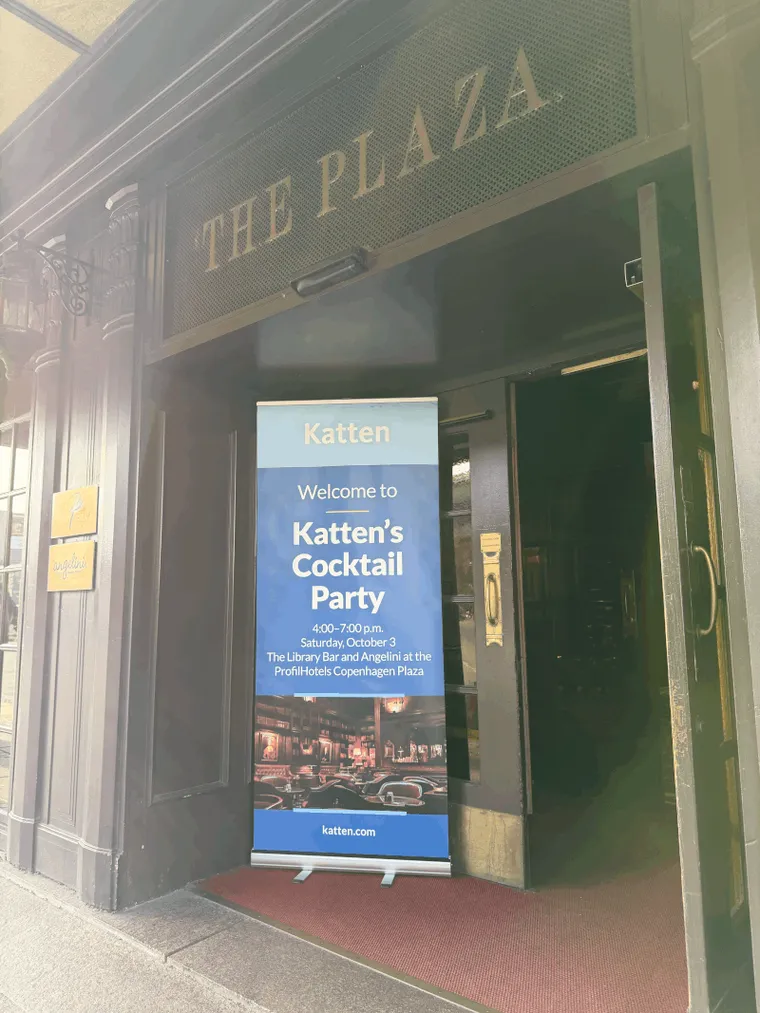
TRW × Katten Muchin Rosenman
An evening at Katten’s reception at the Copenhagen Plaza opened the week of the IBA Annual Conference — conversations we look forward to continuing.
11
Read
IBA 2026
Seven TRW lawyers at the IBA Annual Conference
Our team joined some 6,000 lawyers from 130 countries and more than 2,700 firms in Denmark. Our thanks to the International Bar Association and our hosts.
13
Read
See every post